
Cambridge IELTS 18 - Academic - Test 2 - Lecture - Passage 1 (3)
Apprenez le vocabulaire de la troisième partie du Cambridge IELTS 18 Academic, Test 2 Reading Passage 1, avec des mots et expressions utiles tirés du texte.
Réviser
Flashcards
Orthographe
Quiz
separate and different in a way that is easily recognized

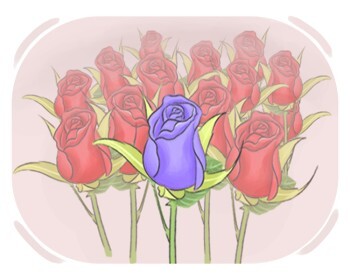
distinct
Les deux cultures ont des coutumes et des traditions distinctes, malgré leur proximité géographique.

a social group of families or communities connected by shared ancestry, culture, language, traditions, or leadership
tribu, ethnie

to help cause an event, situation, or result, usually as one of several factors
contribuer à
to take responsibility for something and start to do it
entreprendre, se charger de
Les étudiants entreprendre des projets de recherche pour approfondir leur compréhension d'un sujet spécifique.
a man-made object, tool, weapon, etc. that was created in the past and holds historical or cultural significance
objet (fabriqué)
Le tesson de poterie, un artéfact des premiers colons, a été soigneusement conservé pour une étude future.
related to agriculture, farmers, or rural life
agraire
Les sociétés agraires ont souvent un lien fort avec la terre et les pratiques agricoles traditionnelles.
relating to the original inhabitants of a particular region or country, who have distinct cultural, social, and historical ties to that land
autochtone, indigène
Les communautés autochtones ont souvent une profonde connexion spirituelle avec la terre, la considérant comme sacrée et essentielle à leur identité.
belonging to or shared by a group of people and not only individuals
commun, commune
La bibliothèque sert d'espace communautaire pour l'étude et les réunions.
to have a powerful and lasting effect on someone or something
laisser sa marque, marquer durablement
La guerre a laissé sa marque sur la ville pendant des générations.
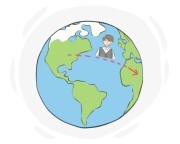
someone who comes to live in a foreign country
immigré, immigrée
L'immigrant a trouvé difficile de s'adapter aux différences culturelles dans son nouveau foyer.

to firmly and persistently express an opinion, belief, or statement as true and valid
soutenir
Malgré la controverse, l'auteur soutient que les faits historiques dans le livre sont exacts.
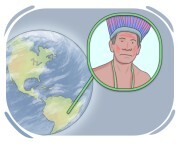
relating to the people who originally lived in a particular place before others arrived or settled there
originaire, natif
to have a particular person, family, or group among one's ancestors
descendre, provenir
the area or conditions immediately around something or someone where it exists or operates
l'environnement,le cadre
La faune prospère dans l'environnement naturel entourant la forêt.
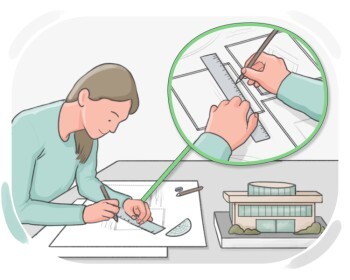
a person whose job is to design buildings and often oversee their construction
architecte
faint or unclear, often making it hard to see or understand fully
obscur,flou
La figure au loin était ombragée et difficile à reconnaître.
used when you take the most optimistic view, especially in a bad situation
au mieux, dans le meilleur des cas
the reason or intention for which something is made, done, or used
but,objectif
Chaque outil dans ce kit a un but spécifique pour aider avec diverses réparations.

very attractive in a noticeable or unusual way
séduisant

general agreement among the members of a group
consensus
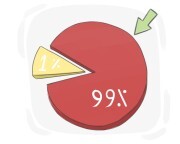
the larger part or number of a given set or group
majorité
Majorité des personnes interrogées ont préféré la version mise à jour du produit.
to be suitable, advantageous, or occur at a convenient or favorable time
convenir,être favorable
Le moment de la réunion a servi, car ils venaient de terminer le projet.
the purpose or intended use of something
fonction
Comprendre la fonction de chaque organe est essentiel en biologie.
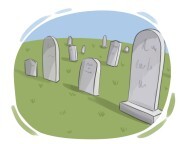
a piece of land where people are buried
cimetière,lieu de sépulture
Les terrains funéraires anciens ont souvent des pierres tombales historiques.
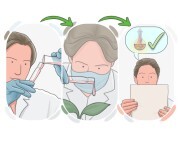
to learn of and confirm the facts about something through calculation or research
déterminer
Les analystes déterminent souvent les tendances du marché en étudiant les indicateurs économiques.
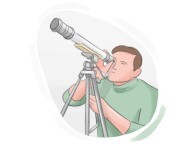
a scientist who studies or observes planets, stars, and other happenings in the universe
astronome
Les astronomes observent des galaxies lointaines pour étudier leur formation et leur évolution sur des milliards d'années.
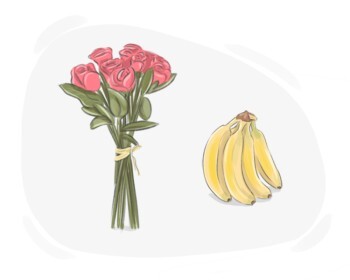
a group of similar people or things positioned close together
groupe, amas
of or relating to megaliths or the people who erected megaliths
mégalithique,relatif aux mégalithes
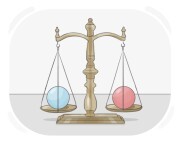
to agree or be consistent with something else
correspondre
an observable fact, event, or situation, often unusual or not yet fully explained
phénomène,fait observable
La tempête de pluie soudaine était un phénomène rare pour la région.
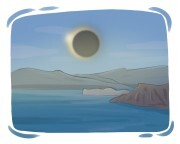
a period during which the sun or moon is temporarily obscured by the shadow of another celestial body
éclipse
L'éclipse lunaire totale a donné à la lune une couleur rouge profond.
to be subjected to or experience a particular reaction or feedback from others
recevoir,obtenir
La décision controversée a reçu des réactions mitigées de la communauté, déclenchant des débats et des discussions.
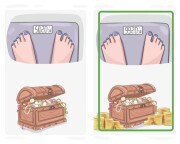
large in quantity, extent, or degree
considérable,important
Elle a reçu un nombre considérable de réponses à son offre d'emploi, reflétant un grand intérêt pour le poste.
a general interest that leads people to want to know more
attention, intérêt
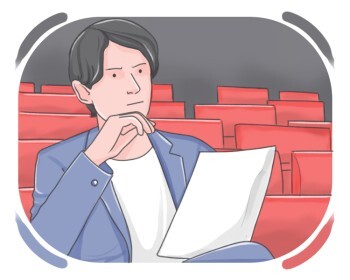
someone who evaluates and provides opinions or judgments about various forms of art, literature, performances, or other creative works
critique
En tant que critique musical, il assiste souvent à des concerts et écrit des critiques discutant des forces et des faiblesses de différentes performances musicales.
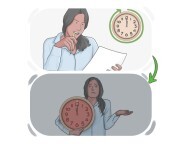
to be without or to not have enough of something that is needed or desirable
manquer de
La performance de l'équipe a souffert parce qu'ils manquaient de coordination et de communication.
shelter or concealment that protects someone from danger, attack, observation, or bad weather
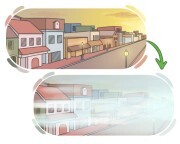
to hide, cover, or prevent something from being clearly seen
obscurcir, dissimuler
to discover hidden, forgotten, or previously unknown information or things through careful searching or investigation
to form a theory or opinion about a subject without knowing all the facts
spéculer
Sans détails clairs, ils ne pouvaient que spéculer sur la cause de la panne de courant soudaine.

the process of becoming healthy again after an injury or illness
guérison, cicatrisation, consolidation
Une bonne nutrition et du repos sont des facteurs importants pour accélérer le processus de guérison.
able to heal or relieve a medical condition
curatif
Cette thérapie est curative pour certaines maladies chroniques.
the period that began about 1100 BC when people used iron tools for the first time
âge du fer
Pendant l'âge du fer, de nombreuses sociétés ont connu des avancées significatives dans l'agriculture, la guerre et l'architecture.

used with a date to refer to things happened or existed after the birth of Christ
EC
La naissance du prophète Mahomet est traditionnellement datée vers 570 de l'ère commune.

a large excavation where stone, clay, gravel, or other materials are removed from the ground
carrière, gravière

to begin to exist or become noticeable
survenir,apparaître
Ce n'est que lorsque le soleil s'est couché que le besoin d'un éclairage supplémentaire est apparu lors de l'événement en plein air.
a sedimentary rock composed of sand-sized grains, commonly used in construction for its durability and natural beauty
grès,pierre de grès

a specific point or location identified relative to surrounding features in an area or region
endroit,lieu
La police a trouvé le suspect à l'endroit exact décrit par les témoins.
used to say that something such as a number or amount is not exact
environ
La population de la ville est d'environ 500 000 habitants.

a piece of information discovered as a result of a research
conclusions
Les résultats de l'enquête ont mis en évidence une tendance croissante dans les préférences des consommateurs.
either of the two moments in a year when the Sun, in its apparent motion along the ecliptic, crosses the celestial equator, resulting in approximately equal periods of daylight and darkness worldwide
équinoxe,point équinoxial
Pendant l'équinoxe d'automne, la durée du jour et de la nuit est presque égale.
