
Cambridge IELTS 18 - Академический - Тест 2 - Чтение - Отрывок 1 (3)
Learn vocabulary from the third part of Cambridge IELTS 18 Academic, Test 2 Reading Passage 1, with useful words and expressions from the text.
Обзор
Флэш-карточки
формы
Правописание
Тест

separate and different in a way that is easily recognized

разный
Близнецы могут выглядеть похожими, но у них разные личности, которые их отличают.

a social group of families or communities connected by shared ancestry, culture, language, traditions, or leadership

to be one of the causes or reasons that helps something happen
способствовать
to take responsibility for something and start to do it
предпринимать
a man-made object, tool, weapon, etc. that was created in the past and holds historical or cultural significance
артефакт
Артефакты раннего изготовления инструментов, такие как каменные ножи и наконечники снарядов, показывают изобретательность и находчивость палеолитических людей.
related to agriculture, farmers, or rural life
сельскохозяйственный, земельный
Аграрное сообщество полагается на сельское хозяйство как на основной источник средств к существованию.
relating to the original inhabitants of a particular region or country, who have distinct cultural, social, and historical ties to that land
коренной, туземный
Правительство реализовало политику по защите прав и традиций коренных народов, проживающих в отдаленных районах.
belonging to or shared by a group of people and not only individuals
общинный
Деревня построила общий сад для всеобщего пользования.
to have a powerful and lasting effect on someone or something
оставить свой след, произвести lasting أثر
Её доброта оставила след в каждом, кто её встретил.
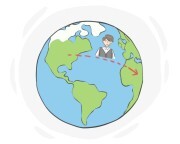
someone who comes to live in a foreign country
иммигрант

to firmly and persistently express an opinion, belief, or statement as true and valid
утверждать
Несмотря на споры, автор утверждает, что исторические факты в книге точны.
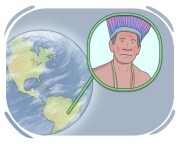
relating to the people who originally lived in a particular place before others arrived or settled there
родной
to have a particular person, family, or group among one's ancestors
происходить, вести род
the area or conditions immediately around something or someone where it exists or operates
окружение, среда
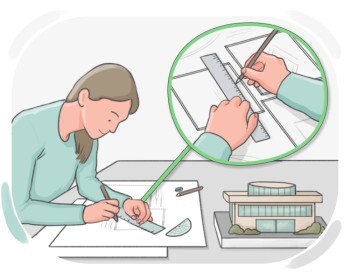
a person whose job is to design buildings and often oversee their construction
архитектор
faint or unclear, often making it hard to see or understand fully
неясный, расплывчатый
Детектив следовал за неясной фигурой по туманным улицам.
used when you take the most optimistic view, especially in a bad situation
В самом благоприятном взгляде
the reason or intention for which something is made, done, or used
цель

very attractive in a noticeable or unusual way
эффектный

general agreement among the members of a group
общее мнение, согласие
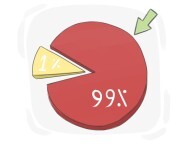
the larger part or number of a given set or group
большинство
to be suitable, advantageous, or occur at a convenient or favorable time
подходить, быть благоприятным
the purpose or intended use of something
функция
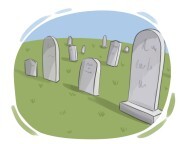
a piece of land where people are buried
кладбище, место захоронения
Семья посетила кладбище в годовщину.
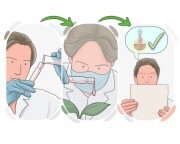
to learn of and confirm the facts about something through calculation or research
определять, устанавливать

a scientist who studies or observes planets, stars, and other happenings in the universe
астроном
Астроном обнаружил новую экзопланету, используя передовую технологию телескопов.
a group of similar things or people that are close together
of or relating to megaliths or the people who erected megaliths
мегалитический, относящийся к мегалитам или людям
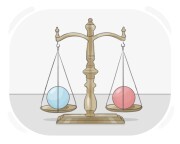
to agree or be consistent with something else
соответствовать
an observable fact, event, or situation, often unusual or not yet fully explained
феномен, наблюдаемый факт

a period during which the sun or moon is temporarily obscured by the shadow of another celestial body
затмение
Мы наблюдали солнечное затмение через специальные защитные очки.
to be subjected to or experience a particular reaction or feedback from others
получать, обретать
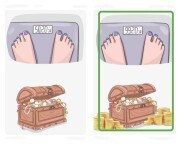
large in quantity, extent, or degree
значительный
Проект требовал значительного объема финансирования, чтобы покрыть все расходы и обеспечить его успех.
a general interest that leads people to want to know more
внимание, интерес
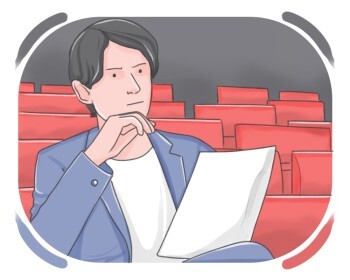
someone who evaluates and provides opinions or judgments about various forms of art, literature, performances, or other creative works
критик
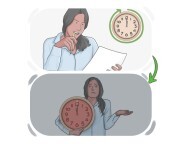
to be without or to not have enough of something that is needed or desirable
не хватать
the act of hiding something from sight by blocking the view
прикрытие, сокрытие
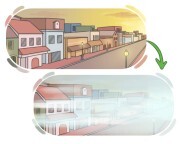
to hide, cover, or prevent something from being clearly seen
затемнять
to find out about something, particularly by doing research
раскопать
Историки обнаружили новые документы, проливающие свет на события Гражданской войны.
to form a theory or opinion about a subject without knowing all the facts
спекулировать, предполагать
Наблюдая необычное поведение, ученые начали спекулировать о потенциальных причинах явления.

the process of becoming healthy again after an injury or illness
исцеление
able to heal or relieve a medical condition
лечебный
Трава обладает целебными эффектами при незначительных ранах.
the period that began about 1100 BC when people used iron tools for the first time
Железный век
Железный век последовал за бронзовым веком и был отмечен широким использованием железа для инструментов и оружия.

used with a date to refer to things happened or existed after the birth of Christ
Н.Э.

a large excavation where stone, clay, gravel, or other materials are removed from the ground
карьер, гравийный карьер

to begin to exist or become noticeable
возникать
a sedimentary rock composed of sand-sized grains, commonly used in construction for its durability and natural beauty
песчаник, песчаный камень

a specific point or location identified relative to surrounding features in an area or region
место
used to say that something such as a number or amount is not exact
приблизительно
Поездка займет примерно два часа, в зависимости от трафика.

a piece of information discovered as a result of a research
находка
either of the two moments in a year when the Sun, in its apparent motion along the ecliptic, crosses the celestial equator, resulting in approximately equal periods of daylight and darkness worldwide
равноденствие
Весеннее равноденствие знаменует начало весны в Северном полушарии.
