pattern

Cambridge IELTS 18 - Academic - Test 2 - Czytanie - Fragment 1 (3)

Ucz się słownictwa z trzeciej części Cambridge IELTS 18 Academic, Test 2 Reading Passage 1, z przydatnymi słowami i wyrażeniami z tekstu.

Przegląd

Fiszki

formy

Pisownia

Test
Zacznij naukę
Cambridge IELTS 18 - Academic
distinct
distinct
[przymiotnik]

separate and different in a way that is easily recognized

odrębny, różny

odrębny, różny

Ex: The artist's style is distinct, characterized by bold colors and abstract shapes. 

Styl artysty jest wyraźny, charakteryzuje się śmiałymi kolorami i abstrakcyjnymi kształtami.

tribe
tribe
[Rzeczownik]

a social group of families or communities connected by shared ancestry, culture, language, traditions, or leadership

plemię,  lud

plemię, lud

Ex: Elders play an important role in passing the tribe's traditions to younger generations. 
to contribute
to contribute
[Czasownik]

to be one of the causes or reasons that helps something happen

przyczyniać się, wnosić wkład

przyczyniać się, wnosić wkład

Ex: Many factors contribute to the rise in housing prices. 
to undertake
to undertake
[Czasownik]

to take responsibility for something and start to do it

przedsięwziąć, podjąć

przedsięwziąć, podjąć

Ex: She undertakes the responsibility of managing the team's day-to-day operations. 
artifact
artifact
[Rzeczownik]

a man-made object, tool, weapon, etc. that was created in the past and holds historical or cultural significance

artefakt, wytwór człowieka

artefakt, wytwór człowieka

Ex: he historian analyzed the artifact to better understand the trade practices of the ancient society. 

Historyk przeanalizował artefakt, aby lepiej zrozumieć praktyki handlowe starożytnego społeczeństwa.

agrarian
agrarian
[przymiotnik]

related to agriculture, farmers, or rural life

agrarny, rolniczy

agrarny, rolniczy

Ex: In agrarian regions, the rhythm of life is often dictated by the agricultural calendar. 

W regionach rolniczych rytm życia jest często dyktowany przez kalendarz rolniczy.

indigenous
indigenous
[przymiotnik]

relating to the original inhabitants of a particular region or country, who have distinct cultural, social, and historical ties to that land

rdzenny,  autochtoniczny

rdzenny, autochtoniczny

Ex: Indigenous leaders are advocating for greater autonomy and recognition of their ancestral land rights. 

Przywódcy rdzennych społeczności opowiadają się za większą autonomią i uznaniem ich praw do ziem przodków.

communal
communal
[przymiotnik]

belonging to or shared by a group of people and not only individuals

wspólnotowy, zbiorowy

wspólnotowy, zbiorowy

Ex: He enjoyed the communal atmosphere of the festival. 

Podobała mu się wspólnotowa atmosfera festiwalu.

to [leave] {one's} mark

to have a powerful and lasting effect on someone or something

odcisnąć swoje piętno, pozostawić trwały ślad

odcisnąć swoje piętno, pozostawić trwały ślad

Ex: That accident left a mark on him, both physically and emotionally. 

Ten wypadek odcisnął na nim piętno, fizycznie i emocjonalnie.

immigrant
immigrant
[Rzeczownik]

someone who comes to live in a foreign country

imigrant, migrant

imigrant, migrant

Ex: The government introduced a new policy to support immigrants integrating into the community. 
to maintain
to maintain
[Czasownik]

to firmly and persistently express an opinion, belief, or statement as true and valid

utrzymywać, twierdzić

utrzymywać, twierdzić

Ex: The scientist maintains that climate change is a significant threat that needs immediate attention. 

Naukowiec utrzymuje, że zmiana klimatu jest znaczącym zagrożeniem wymagającym natychmiastowej uwagi.
native
native
[przymiotnik]

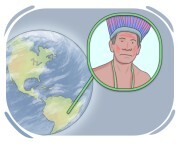
relating to the people who originally lived in a particular place before others arrived or settled there

rdzenny

rdzenny

Ex: The book examines the history of the island's native population. 
to descend
to descend
[Czasownik]

to have a particular person, family, or group among one's ancestors

pochodzić,  wywodzić się

pochodzić, wywodzić się

Ex: She discovered that she was descended from a nineteenth-century writer. 
surround
surround
[Rzeczownik]

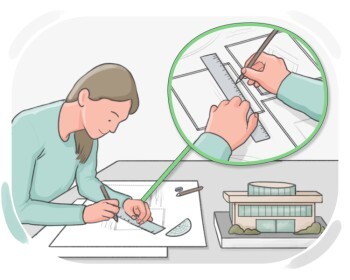
the area or conditions immediately around something or someone where it exists or operates

otoczenie, środowisko
otoczenie, środowisko

Ex: The lush surround of the garden made it a perfect spot for relaxation. 
architect
architect
[Rzeczownik]

a person whose job is to design buildings and often oversee their construction

Ex: The architect supervised the construction of the new library. 
shadowy
shadowy
[przymiotnik]

faint or unclear, often making it hard to see or understand fully

mglisty, niejasny

mglisty, niejasny

Ex: In the darkness, only the outline of a shadowy figure could be seen. 

W ciemności widać było tylko zarys mrocznej postaci.

at best
at best
[Fraza]

‌used when you take the most optimistic view, especially in a bad situation

purpose
purpose
[Rzeczownik]

the reason or intention for which something is made, done, or used

cel, przeznaczenie

cel, przeznaczenie

Ex: The purpose of the meeting is to discuss the upcoming project deadlines. 
striking
striking
[przymiotnik]

very attractive in a noticeable or unusual way

Ex: Emma's striking appearance made her easy to recognize in the crowd. 
consensus
consensus
[Rzeczownik]

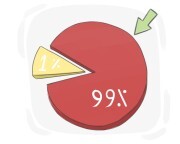
general agreement among the members of a group

konsensus
konsensus

Ex: Sarah asked everyone for their views before trying to build a consensus. 
majority
majority
[Rzeczownik]

the larger part or number of a given set or group

większość, większa część

większość, większa część

Ex: The majority of the committee members voted in favor of the new policy. 
to serve
to serve
[Czasownik]

to be suitable, advantageous, or occur at a convenient or favorable time

pasować, być korzystnym

pasować, być korzystnym

Ex: The weather served for their outdoor wedding, with clear skies and a gentle breeze. 
function
function
[Rzeczownik]

the purpose or intended use of something

funkcja, przeznaczenie

funkcja, przeznaczenie

Ex: The function of the lever is to lift heavy objects. 
burial ground
burial ground
[Rzeczownik]

a piece of land where people are buried

cmentarz, miejsce pochówku

cmentarz, miejsce pochówku

Ex: Archaeologists studied ancient burial grounds for clues about past cultures. 

Archeolodzy badali starożytne cmentarze w poszukiwaniu wskazówek o dawnych kulturach.
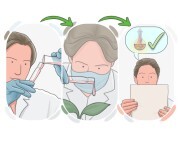
to determine
to determine
[Czasownik]

to learn of and confirm the facts about something through calculation or research

określać, ustalać

określać, ustalać

Ex: Scientists regularly determine the chemical composition of substances in the laboratory. 
astronomer
astronomer
[Rzeczownik]

a scientist who studies or observes planets, stars, and other happenings in the universe

astronom

astronom

Ex: The astronomer's research contributed to our understanding of black holes and their gravitational effects. 

Badania astronoma przyczyniły się do naszego zrozumienia czarnych dziur i ich efektów grawitacyjnych.

cluster
cluster
[Rzeczownik]

a group of similar things or people that are close together

Ex: The telescope revealed a bright cluster of stars. 
megalithic
megalithic
[przymiotnik]

of or relating to megaliths or the people who erected megaliths

megalityczny, odnoszący się do megalitów lub ludzi
megalityczny, odnoszący się do megalitów lub ludzi

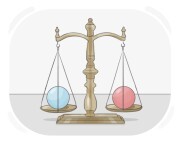
to correspond
to correspond
[Czasownik]

to agree or be consistent with something else

odpowiadać,  zgadzać się

odpowiadać, zgadzać się

Ex: The measurements correspond with those recorded earlier. 
astrological
astrological
[przymiotnik]

relating to or concerned with astrology

astrologiczny

astrologiczny

phenomenon
phenomenon
[Rzeczownik]

an observable fact, event, or situation, often unusual or not yet fully explained

zjawisko, obserwowalny fakt

zjawisko, obserwowalny fakt

Ex: The spread of the disease became a global phenomenon. 
eclipse
eclipse
[Rzeczownik]

a period during which the sun or moon is temporarily obscured by the shadow of another celestial body

zaćmienie, przesłonięcie

zaćmienie, przesłonięcie

Ex: The upcoming eclipse is expected to attract thousands of astronomers. 

Nadchodzące zaćmienie ma przyciągnąć tysiące astronomów.

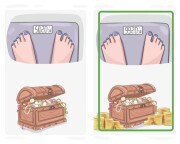
to receive
to receive
[Czasownik]

to be subjected to or experience a particular reaction or feedback from others

otrzymywać, uzyskiwać
otrzymywać, uzyskiwać

Ex: The new policy received widespread approval from employees, who appreciated its focus on work-life balance. 
considerable
considerable
[przymiotnik]

large in quantity, extent, or degree

znaczny, duży

znaczny, duży

Ex: The event attracted a considerable audience, filling the stadium to capacity. 

Wydarzenie przyciągnęło znaczną publiczność, wypełniając stadion do ostatniego miejsca.

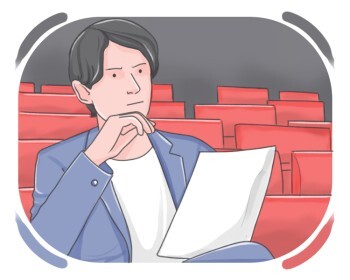
attention
attention
[Rzeczownik]

a general interest that leads people to want to know more

uwaga,  zainteresowanie
uwaga, zainteresowanie

Ex: The new exhibit is getting a lot of media attention. 
critic
critic
[Rzeczownik]

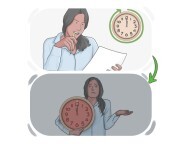
someone who evaluates and provides opinions or judgments about various forms of art, literature, performances, or other creative works

krytyk
krytyk

Ex: The film critic praised the director's innovative storytelling and powerful performances in her review. 
to lack
to lack
[Czasownik]

to be without or to not have enough of something that is needed or desirable

brakować, nie mieć wystarczająco

brakować, nie mieć wystarczająco

Ex: She failed to complete the project on time because she lacked the necessary resources. 
cover
cover
[Rzeczownik]

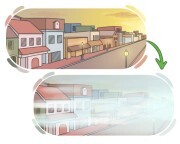
the act of hiding something from sight by blocking the view

osłona, ukrycie
osłona, ukrycie

Ex: The trees provided cover for the soldiers. 
to obscure
to obscure
[Czasownik]

to hide, cover, or prevent something from being clearly seen

zaćmiewać,  zasłaniać

zaćmiewać, zasłaniać

Ex: Sarah's face was partly obscured by her hair. 
to unearth
to unearth
[Czasownik]

to find out about something, particularly by doing research

odkrywać, wydobywać na światło dzienne

odkrywać, wydobywać na światło dzienne

Ex: Scholars unearthed unpublished manuscripts of famous authors, providing new perspectives on their work. 

Naukowcy odkryli niepublikowane rękopisy słynnych autorów, dostarczając nowych perspektyw na ich twórczość.
to speculate
to speculate
[Czasownik]

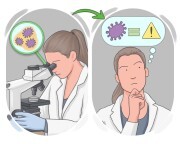
to form a theory or opinion about a subject without knowing all the facts

spekulować, formułować teorie

spekulować, formułować teorie

Ex: After the unexpected announcement, employees started to speculate on the upcoming changes in company policies. 

Po niespodziewanym ogłoszeniu pracownicy zaczęli spekulować nad nadchodzącymi zmianami w polityce firmy.

healing
healing
[Rzeczownik]

the process of becoming healthy again after an injury or illness

uzdrowienie, gojenie

uzdrowienie, gojenie

Ex: The healing of her broken arm took several weeks, but she eventually regained full mobility. 
curative
curative
[przymiotnik]

able to heal or relieve a medical condition

leczniczy, uzdrawiający

leczniczy, uzdrawiający

Ex: Doctors praised the curative potential of the new drug. 

Lekarze pochwalili leczniczy potencjał nowego leku.

Iron Age
Iron Age
[Rzeczownik]

the period that began about 1100 BC when people used iron tools for the first time

Epoka żelaza, Wiek żelaza

Epoka żelaza, Wiek żelaza

Ex: Archaeologists found an Iron Age village with well-preserved iron artifacts and structures. 

Archeolodzy znaleźli wieś z epoki żelaza z dobrze zachowanymi żelaznymi artefaktami i strukturami.

Common Era
Common Era
[przysłówek]

used with a date to refer to things happened or existed after the birth of Christ

naszej ery, po Chrystusie

naszej ery, po Chrystusie

Ex: The Renaissance period in Europe flourished from the 14th to the 17th centuries CE. 
pit
pit
[Rzeczownik]

a large excavation where stone, clay, gravel, or other materials are removed from the ground

kopalnia,  żwirownia

kopalnia, żwirownia

Ex: Heavy machinery was working at the sand pit. 
to arise
to arise
[Czasownik]

to begin to exist or become noticeable

powstawać, pojawiać się

powstawać, pojawiać się

Ex: A sense of urgency arose when the company realized the impending deadline for product launch. 
sandstone
sandstone
[Rzeczownik]

a sedimentary rock composed of sand-sized grains, commonly used in construction for its durability and natural beauty

piaskowiec, kamień piaskowy

piaskowiec, kamień piaskowy

spot
spot
[Rzeczownik]

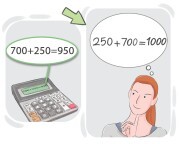
a specific point or location identified relative to surrounding features in an area or region

miejsce, punkt
miejsce, punkt

Ex: The hikers stopped at a scenic spot on the trail. 
approximately
approximately
[przysłówek]

used to say that something such as a number or amount is not exact

w przybliżeniu, około

w przybliżeniu, około

Ex: The package will arrive in approximately five business days. 

Paczka dotrze za około pięć dni roboczych.

finding
finding
[Rzeczownik]

a piece of information discovered as a result of a research

odkrycie, wniosek

odkrycie, wniosek

Ex: The scientist's finding revealed a new way to treat the disease. 
equinox
equinox
[Rzeczownik]

either of the two moments in a year when the Sun, in its apparent motion along the ecliptic, crosses the celestial equator, resulting in approximately equal periods of daylight and darkness worldwide

równonoc, punkt równonocy

równonoc, punkt równonocy

Ex: On the equinox, the Sun rises due east and sets due west. 

Podczas równonocy Słońce wschodzi dokładnie na wschodzie i zachodzi dokładnie na zachodzie.

LanGeek
Pobierz aplikację LanGeek