pattern

Cambridge IELTS 18 - Académico - Test 2 - Lectura - Pasaje 1 (3)

Aquí puedes encontrar el vocabulario del Test 2 - Lectura - Pasaje 1 (3) del libro de curso Cambridge IELTS 18 - Academic, para ayudarte a preparar tu examen IELTS.

Revisión

Tarjetas de memoria

formas

Ortografía

Cuestionario
Empezar a aprender
Cambridge IELTS 18 - Academic
distinct
distinct
[Adjetivo]

separate and different in a way that is easily recognized

distinto

distinto

Ex: Each flavor of ice cream has a distinct taste, making it easy to identify even when blindfolded. 

Cada sabor de helado tiene un gusto distinto, lo que facilita su identificación incluso con los ojos vendados.

tribe
tribe
[Sustantivo]

a social group united by shared ancestry, culture, or customs

tribu, pueblo

tribu, pueblo

to contribute

to be one of the causes or reasons that helps something happen

contribuir

contribuir

Ex: Volunteer efforts significantly contribute to the charity's growth. 

Los esfuerzos voluntarios contribuyen significativamente al crecimiento de la organización benéfica.

to undertake

to take responsibility for something and start to do it

comprometerse a

comprometerse a

Ex: Entrepreneurs often undertake the challenge of launching and managing their own businesses. 

Los empresarios a menudo emprenden el desafío de lanzar y gestionar sus propios negocios.

artifact
artifact
[Sustantivo]

a man-made object, tool, weapon, etc. that was created in the past and holds historical or cultural significance

artefacto

artefacto

Ex: Each artifact in the exhibit told a story about the civilization that created it. 

Cada artefacto en la exhibición contaba una historia sobre la civilización que lo creó.

agrarian
agrarian
[Adjetivo]

related to agriculture, farmers, or rural life

agrario

agrario

Ex: The government implemented agrarian policies to support and develop the agricultural sector. 

El gobierno implementó políticas agrarias para apoyar y desarrollar el sector agrícola.

indigenous
indigenous
[Adjetivo]

relating to the original inhabitants of a particular region or country, who have distinct cultural, social, and historical ties to that land

indígena,  autóctono

indígena, autóctono

Ex: The festival celebrated the rich cultural heritage of the indigenous people, featuring traditional music, dance, and crafts. 

El festival celebró el rico patrimonio cultural de los pueblos indígenas, con música, danza y artesanías tradicionales.

communal
communal
[Adjetivo]

belonging to or shared by a group of people and not only individuals

comunal

comunal

Ex: The communal bathroom was cleaned daily. 

El baño comunal se limpiaba diariamente.

to [leave] {one's} mark

to have a powerful and lasting effect on someone or something

dejar huella, marcar profundamente

dejar huella, marcar profundamente

Ex: His remarkable leadership skills left a mark on the organization, leading to its growth and success. 

La profesora dejó huella en cientos de estudiantes.

immigrant
immigrant
[Sustantivo]

someone who comes to live in a foreign country

inmigrante

inmigrante

Ex: The city's diverse population includes many immigrants from various parts of the world. 

La población diversa de la ciudad incluye muchos inmigrantes de varias partes del mundo.

to maintain

to firmly and persistently express an opinion, belief, or statement as true and valid

mantener

mantener

Ex: The scientist maintains that climate change is a significant threat that needs immediate attention. 

El científico mantiene que el cambio climático es una amenaza significativa que necesita atención inmediata.

native
native
[Adjetivo]

describing the people who have lived in an area for a very long time

nativo

nativo

Ex: The Native Americans of North America have diverse cultures, languages, and traditions, reflecting their long history of inhabiting the land prior to European colonization. 

Los nativos americanos de América del Norte tienen culturas, idiomas y tradiciones diversas, lo que refleja su larga historia de habitar la tierra antes de la colonización europea.

to descend
to descend
[Verbo]

to be related by blood, typically referring to the lineage or family connection

descender, proceder de

descender, proceder de

Ex: The royal family can trace its lineage and claim to descend from kings and queens of old. 

La familia real puede rastrear su linaje y afirmar descender de reyes y reinas de antaño.

surround
surround
[Sustantivo]

the area or conditions immediately around something or someone where it exists or operates

el entorno, el ambiente
el entorno, el ambiente

Ex: The cozy surround of the cabin provided a peaceful retreat. 

El entorno acogedor de la cabaña proporcionaba un refugio tranquilo.

architect
architect
[Sustantivo]

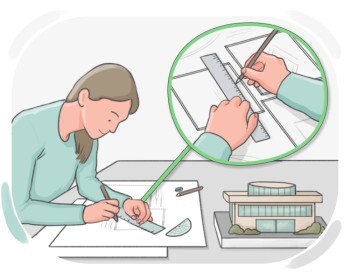
a person whose job is designing buildings and typically supervising their construction

arquitecto

arquitecto

Ex: The architect presented the blueprints for the new community center to the city council for approval. 

El arquitecto presentó los planos para el nuevo centro comunitario al concejo municipal para su aprobación.

shadowy
shadowy
[Adjetivo]

faint or unclear, often making it hard to see or understand fully

oscuro, difuso

oscuro, difuso

Ex: The shadowy outline of the mountains was barely visible through the mist. 

El contorno difuso de las montañas era apenas visible a través de la neblina.

at best
at best
[Frase]

‌used when you take the most optimistic view, especially in a bad situation

a lo más, en el mejor de los casos, como mucho

a lo más, en el mejor de los casos, como mucho

purpose
purpose
[Sustantivo]

the reason or intention for which something is made, done, or used

propósito, objetivo

propósito, objetivo

Ex: She explained the purpose of the experiment to her science class. 

Ella explicó el propósito del experimento a su clase de ciencias.

striking
striking
[Adjetivo]

exceptionally eye-catching or beautiful

llamativo, sorprendente

llamativo, sorprendente

Ex: His striking blue hair and elaborate tattoos made him a memorable figure in the local art scene. 
consensus
consensus
[Sustantivo]

an agreement reached by all members of a group

consenso

consenso

Ex: The political parties struggled to find consensus on the controversial immigration policy. 

Los partidos políticos lucharon por encontrar un consenso sobre la controvertida política de inmigración.

majority
majority
[Sustantivo]

the larger part or number of a given set or group

mayoría

mayoría

Ex: The majority of the class agreed on extending the deadline for the assignment. 

La mayoría de la clase estuvo de acuerdo en extender la fecha límite para la tarea.

to serve
to serve
[Verbo]

to be suitable, advantageous, or occur at a convenient or favorable time

convenir, ser propicio

convenir, ser propicio

Ex: The conditions served in their favor during the competition. 

Las condiciones sirvieron a su favor durante la competencia.

function
function
[Sustantivo]

the purpose or intended use of something

función

función

Ex: The function of the key is to unlock the door. 

La función de la llave es desbloquear la puerta.

burial ground
burial ground
[Sustantivo]

a piece of land where people are buried

cementerio, campo santo

cementerio, campo santo

Ex: The village burial ground is surrounded by trees. 

El cementerio del pueblo está rodeado de árboles.
to determine

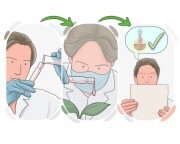
to learn of and confirm the facts about something through calculation or research

determinar

determinar

Ex: Last month, the investigators determined the cause of the fire in the building. 

El mes pasado, los investigadores determinaron la causa del incendio en el edificio.

astronomer
astronomer
[Sustantivo]

a scientist who studies or observes planets, stars, and other happenings in the universe

astrónomo

astrónomo

Ex: She became an astronomer because of her fascination with the mysteries of the cosmos. 

Se convirtió en astrónoma debido a su fascinación por los misterios del cosmos.

cluster
cluster
[Sustantivo]

a grouping or concentration of data points in a specific region, often used in statistics and data analysis to describe a set of values that are close to each other

grupo, aglomeración

grupo, aglomeración

Ex: When examining the distribution of test scores, a cluster of high scores may suggest a group of high-achieving students. 

Al examinar la distribución de las calificaciones de las pruebas, un grupo de puntuaciones altas puede sugerir un grupo de estudiantes de alto rendimiento.

megalithic
megalithic
[Adjetivo]

of or relating to megaliths or the people who erected megaliths

megalítico, relativo a los megalitos

megalítico, relativo a los megalitos

to correspond

to match or be similar to something else

corresponder

corresponder

Ex: Her actions are corresponding with her words, indicating sincerity. 

Sus acciones corresponden con sus palabras, lo que indica sinceridad.

astrological
astrological
[Adjetivo]

relating to or concerned with astrology

astrológico

astrológico

phenomenon
phenomenon
[Sustantivo]

an observable fact, event, or situation, often unusual or not yet fully explained

fenómeno, hecho observable

fenómeno, hecho observable

Ex: Scientists study each phenomenon carefully. 

Los científicos estudian cada fenómeno cuidadosamente.

eclipse
eclipse
[Sustantivo]

a period during which the sun or moon is temporarily obscured by the shadow of another celestial body

eclipse

eclipse

Ex: An eclipse occurs when the Earth, moon, and sun align perfectly. 

Un eclipse ocurre cuando la Tierra, la Luna y el Sol se alinean perfectamente.

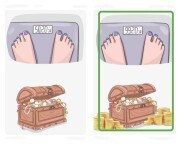
to receive
to receive
[Verbo]

to be subjected to or experience a particular reaction or feedback from others

recibir, obtener
recibir, obtener

Ex: His proposal to revamp the company's marketing strategy received cautious optimism from the board of directors. 

Su propuesta para renovar la estrategia de marketing de la empresa recibió un optimismo cauteloso por parte de la junta directiva.

considerable
considerable
[Adjetivo]

large in quantity, extent, or degree

considerable, importante

considerable, importante

Ex: The storm left a considerable amount of debris scattered across the neighborhood. 

La tormenta dejó una cantidad considerable de escombros esparcidos por el vecindario.

attention
attention
[Sustantivo]

a general interest that leads people to want to know more

atención,  interés
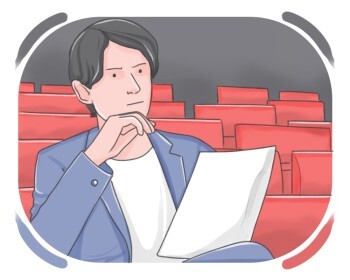
atención, interés

critic
critic
[Sustantivo]

someone who evaluates and provides opinions or judgments about various forms of art, literature, performances, or other creative works

crítico
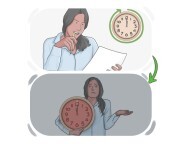
crítico

Ex: The literary critic analyzed the symbolism and themes present in the novel, offering insights into the author's intentions. 

El crítico literario analizó el simbolismo y los temas presentes en la novela, ofreciendo ideas sobre las intenciones del autor.

to lack
to lack
[Verbo]

to be without or to not have enough of something that is needed or desirable

faltar

faltar

Ex: The garden lacked proper sunlight, hindering the growth of certain plants. 

El jardín carecía de luz solar adecuada, dificultando el crecimiento de ciertas plantas.

cover
cover
[Sustantivo]

the act of hiding something from sight by blocking the view

cobertura, encubrimiento
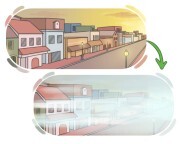
cobertura, encubrimiento

Ex: He stood in the shadow as cover from the light. 

Se quedó en la sombra como cobertura de la luz.

to obscure
to obscure
[Verbo]

to conceal or hide something

ocultar

ocultar

Ex: The overgrown trees obscured the entrance to the trail. 

Los árboles crecidos oscurecían la entrada al sendero.

to unearth
to unearth
[Verbo]

to find out about something, particularly by doing research

descubrir, desenterrar

descubrir, desenterrar

Ex: Genealogists unearthed old records and documents to trace the family's ancestry back several generations. 

Los genealogistas desenterraron registros y documentos antiguos para rastrear la ascendencia de la familia varias generaciones atrás.
to speculate

to form a theory or opinion about a subject without knowing all the facts

hacer conjeturas

hacer conjeturas

Ex: When the stock prices suddenly dropped, investors started to speculate on the reasons for the market downturn. 

Cuando los precios de las acciones cayeron repentinamente, los inversores comenzaron a especular sobre las razones de la caída del mercado.

healing
healing
[Sustantivo]

the process of becoming healthy again after an injury or illness

curación

curación

Ex: The doctor was impressed by the rapid healing of the surgical wound. 

El médico quedó impresionado por la rápida curación de la herida quirúrgica.

curative
curative
[Adjetivo]

able to heal or relieve a medical condition

curativo

curativo

Ex: The ointment proved curative for the skin infection. 

La pomada resultó curativa para la infección de la piel.

Iron Age
Iron Age
[Sustantivo]

the period that began about 1100 BC when people used iron tools for the first time

Edad del Hierro

Edad del Hierro

Ex: The discovery of iron-smelting techniques allowed Iron Age cultures to produce stronger and more efficient tools. 

El descubrimiento de las técnicas de fundición de hierro permitió a las culturas de la Edad del Hierro producir herramientas más fuertes y eficientes.

Common Era
Common Era
[Adverbio]

used with a date to refer to things happened or existed after the birth of Christ

EC

EC

Ex: The Magna Carta was signed in 1215 CE. 
pit
pit
[Sustantivo]

a large hole in the ground where stones, minerals, or other materials are removed

foso, cantera

foso, cantera

Ex: They discovered an old pit filled with water after heavy rain. 

Descubrieron un pozo antiguo lleno de agua después de fuertes lluvias.

to arise
to arise
[Verbo]

to begin to exist or become noticeable

surgir, aparecer

surgir, aparecer

Ex: Tensions began to arise among team members due to differing opinions on the project's direction. 

Comenzaron a surgir tensiones entre los miembros del equipo debido a opiniones divergentes sobre la dirección del proyecto.

sandstone
sandstone
[Sustantivo]

a sedimentary rock composed of sand-sized grains, commonly used in construction for its durability and natural beauty

arenisca, piedra arenisca

arenisca, piedra arenisca

spot
spot
[Sustantivo]

a specific point or location identified relative to surrounding features in an area or region

ubicación
ubicación

Ex: We picked a spot under the tree for our picnic. 

Elegimos un lugar bajo el árbol para nuestro picnic.

approximately
approximately
[Adverbio]

used to say that something such as a number or amount is not exact

aproximadamente, más o menos

aproximadamente, más o menos

Ex: The meeting is scheduled to start at 3 PM, give or take approximately 15 minutes. 

La reunión está programada para comenzar a las 3 PM, aproximadamente 15 minutos más o menos.

finding
finding
[Sustantivo]

a piece of information discovered as a result of a research

resultado

resultado

Ex: His finding on the chemical reaction led to a breakthrough in the experiment. 

Su hallazgo sobre la reacción química condujo a un avance en el experimento.

equinox
equinox
[Sustantivo]

either of the two moments in a year when the Sun, in its apparent motion along the ecliptic, crosses the celestial equator, resulting in approximately equal periods of daylight and darkness worldwide

equinoccio

equinoccio

Ex: The equinox occurs twice a year, once in March and once in September. 

El equinoccio ocurre dos veces al año, una en marzo y otra en septiembre.

LanGeek
Descargar la aplicación LanGeek