
Cambridge IELTS 18 - Academic - Test 2 - Čtení - Úryvek 1 (3)
Learn vocabulary from the third part of Cambridge IELTS 18 Academic, Test 2 Reading Passage 1, with useful words and expressions from the text.
Revize
Kartičky
tvary
Pravopis
Kvíz

separate and different in a way that is easily recognized

odlišný, rozdílný
Logo společnosti má výrazný design, díky čemuž je okamžitě rozpoznatelné.

a social group of families or communities connected by shared ancestry, culture, language, traditions, or leadership
kmen, kmenové společenství

to be one of the causes or reasons that helps something happen
přispět, napomáhat
to take responsibility for something and start to do it
podniknout, převzít
a man-made object, tool, weapon, etc. that was created in the past and holds historical or cultural significance
artefakt, lidský výtvor
Tento artefakt, krásně vyřezávaná socha, byl významným nálezem, který pomohl datovat historické místo.
related to agriculture, farmers, or rural life
agrární, zemědělský
Zemědělská krajina se táhla na míle, s poli plodinami, kam až oko dohlédlo.
relating to the original inhabitants of a particular region or country, who have distinct cultural, social, and historical ties to that land
domorodý, původní
Mnoho domorodých jazyků je ohroženo zánikem, což podněcuje snahy o jejich zachování a oživení.
belonging to or shared by a group of people and not only individuals
komunitní, kolektivní
Kmen následoval komunitní tradice předávané z generace na generaci.
to have a powerful and lasting effect on someone or something
zanechat stopu, výrazně se zapsat
Doufá, že zanechá stopu ve světě umění.
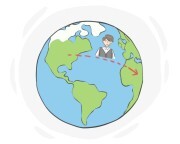
someone who comes to live in a foreign country
imigrant, migrant

to firmly and persistently express an opinion, belief, or statement as true and valid
udržovat, trvat na
Ona tvrdí, že její interpretace dat je správná navzdory opozici.
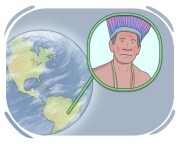
relating to the people who originally lived in a particular place before others arrived or settled there
domorodý
to have a particular person, family, or group among one's ancestors
pocházet, odvozovat původ
the area or conditions immediately around something or someone where it exists or operates
okolí, prostředí
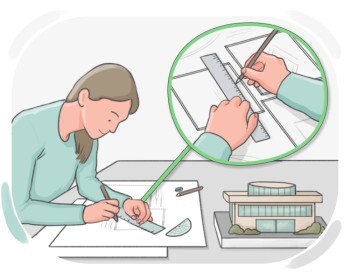
a person whose job is to design buildings and often oversee their construction
faint or unclear, often making it hard to see or understand fully
nejasný, rozmazaný
Ve filmu byla nejasná postava, která pronásledovala sny hlavního hrdiny.
the reason or intention for which something is made, done, or used
účel, cíl

very attractive in a noticeable or unusual way

general agreement among the members of a group
konsensus
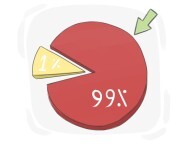
the larger part or number of a given set or group
většina, větší část
to be suitable, advantageous, or occur at a convenient or favorable time
vyhovovat, být příznivý
the purpose or intended use of something
funkce, účel
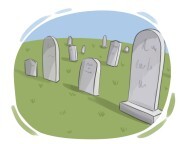
a piece of land where people are buried
hřbitov, pohřebiště
Květiny byly položeny na hroby na hřbitově.
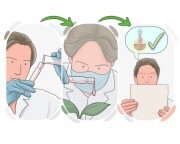
to learn of and confirm the facts about something through calculation or research
určit, stanovit

a scientist who studies or observes planets, stars, and other happenings in the universe
astronom
Moderní astronomové používají počítačové simulace a matematické modely k předpovědi nebeských událostí a jevů.
a group of similar things or people that are close together
of or relating to megaliths or the people who erected megaliths
megalitický, vztahující se k megalitům nebo lidem
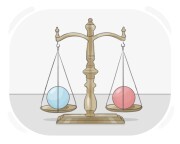
to agree or be consistent with something else
odpovídat, shodovat se
an observable fact, event, or situation, often unusual or not yet fully explained
jev, pozorovatelný fakt
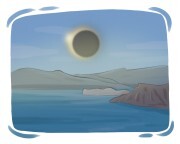
a period during which the sun or moon is temporarily obscured by the shadow of another celestial body
zatmění, okultace
Během zatmění se obloha zatměla i v poledne.
to be subjected to or experience a particular reaction or feedback from others
obdržet, získat
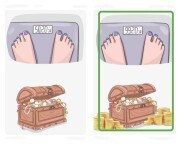
large in quantity, extent, or degree
značný, velký
Nashromáždila značné množství dovolené v průběhu let.
a general interest that leads people to want to know more
pozornost, zájem
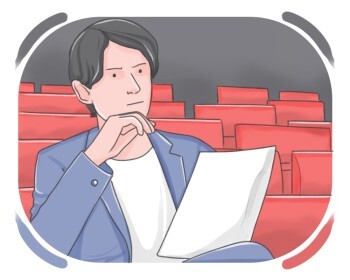
someone who evaluates and provides opinions or judgments about various forms of art, literature, performances, or other creative works
kritik
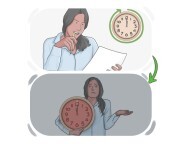
to be without or to not have enough of something that is needed or desirable
postrádat, mít nedostatek
the act of hiding something from sight by blocking the view
kryt, skrytí
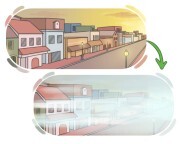
to hide, cover, or prevent something from being clearly seen
zastínit, skrýt
to find out about something, particularly by doing research
odhalit, objevit
Právníci odhalili nové důkazy, které jejich klienta osvobodily od zločinu, z něhož byl obviněn.
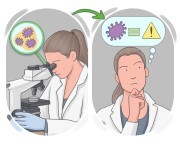
to form a theory or opinion about a subject without knowing all the facts
spekulovat, formulovat teorie
Sousedé začali spekulovat o důvodech náhlého zvýšení bezpečnostních opatření.

the process of becoming healthy again after an injury or illness
uzdravení, hojení
able to heal or relieve a medical condition
léčivý, uzdravující
Některé čaje jsou léčivé pro zažívací potíže.
the period that began about 1100 BC when people used iron tools for the first time
Doba železná, Období železa
Doba železná přinesla změny v sociálních strukturách a obchodu, protože železo se stalo cenným a široce používaným zdrojem.

used with a date to refer to things happened or existed after the birth of Christ
našeho letopočtu, po Kristu

a large excavation where stone, clay, gravel, or other materials are removed from the ground
lom, štěrkovna

to begin to exist or become noticeable
vzniknout, objevit se
a sedimentary rock composed of sand-sized grains, commonly used in construction for its durability and natural beauty
pískovec, pískový kámen

a specific point or location identified relative to surrounding features in an area or region
místo, bod
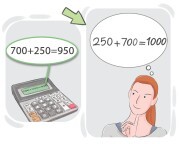
used to say that something such as a number or amount is not exact
přibližně, zhruba
Zítra by teplota měla dosáhnout přibližně 25 stupňů Celsia.

a piece of information discovered as a result of a research
nález, objev
either of the two moments in a year when the Sun, in its apparent motion along the ecliptic, crosses the celestial equator, resulting in approximately equal periods of daylight and darkness worldwide
rovnodennost, bod rovnodennosti
Rovnodennosti jsou důležité pro astronomy studující sklon a oběžnou dráhu Země.
