
Témához Kapcsolódó Emberi Cselekvés Igéi - A betegség tüneteivel kapcsolatos igék
Itt megtanulhat néhány angol igét, amelyek betegségtünetekre utalnak, például "hány", "tüsszent" és "viszket".
Ismétlés
Tanulókártyák
Betűzés
Kvíz
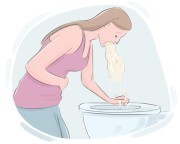
to expel the contents of the stomach through the mouth
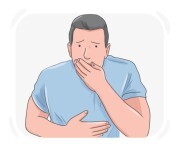
to attempt to vomit but be unable to, typically due to an unpleasant taste or smell

hányingere van,öklendezik
A gyógyszer kellemetlen íze miatt a gyerek hányingert kapott, amikor megpróbálta lenyelni.
to bring food, liquid, or other matter up from the stomach and out through the mouth
to vomit or bring up the contents of one's stomach through the mouth
hány, kihány
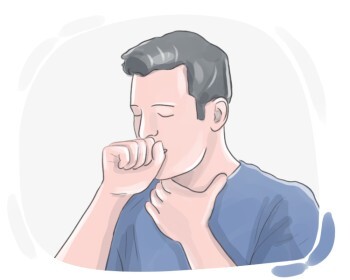
to force air suddenly out of the lungs through the throat with a short, sharp sound
köhög
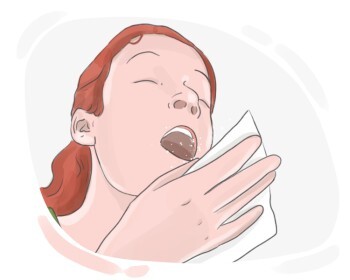
to blow air out of our nose and mouth in a sudden way
tüsszent,tüsszenget
Megfázáskor kontrollálhatatlanul tüsszögök.

to feel a sensation on the skin that makes one want to scratch
viszket,vakarózik
A gyapjú pulóver viselése miatt a bőre egész nap viszketett.
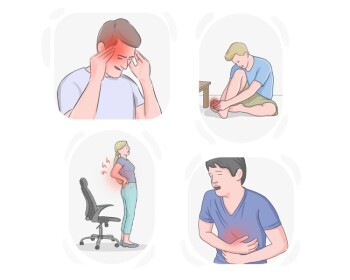
to feel a prolonged physical pain in a part of one's body, especially one that is not severe
fáj, szenved
Amikor az időjárás változik, egyes emberek ízületei fájnak az érzékenység miatt.
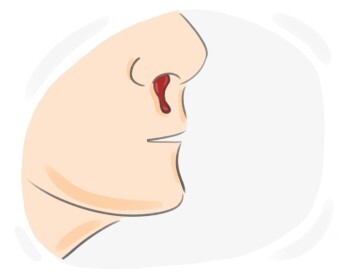
to lose blood from an injury or wound
vérez,vért veszít
Lényeges, hogy nyomást gyakoroljunk a sebre, hogy megállítsuk a túlzott vérzést.
to lose consciousness for a short time, especially because of heat, pain, shock, or weakness
elájul
(of a person) to suddenly fall to the ground and lose consciousness because of illness or injury
A vérnyomás hirtelen esése miatt összeesett a találkozó alatt.
to lose consciousness
elájul, elveszti az eszméletét
A bokszmeccs alatt egy erős ütés miatt elvesztette az eszméletét egy pillanatra.
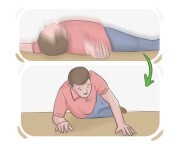
to awaken from a state of unconsciousness
magához tér,felébred
A beteg altatásban volt a műtét alatt, de röviddel a befejezése után elkezdett magához térni.
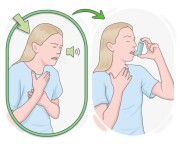
to breathe with difficulty, especially with a whistling or rattling sound
zihál,nehézen lélegzik
Egy maraton futása után elkezdett zihálni a fáradtság és a légszomj miatt.
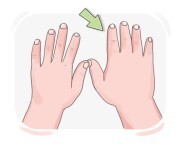
to become larger or rounder than normal, especially because of fluid accumulating inside
megduzzad, bedagad
