
Mga Pandiwa na Kaugnay sa Paksa ng Mga Aksyon ng Tao - Mga Pandiwa na May Kaugnayan sa mga Sintomas ng Sakit
Dito matututunan mo ang ilang mga pandiwa sa Ingles na tumutukoy sa mga sintomas ng sakit tulad ng "suka", "bahin", at "kati".
Repasuhin
Flashcards
mga anyo
Pagbaybay
Pagsusulit
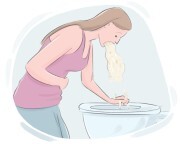
to eject what has been eaten or drunk through the mouth

sumuka, isuka
Minsan siya ay nagsusuka pagkatapos kumain ng ilang pagkain.
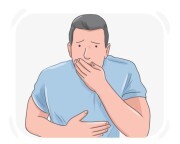
to attempt to vomit but be unable to, typically due to an unpleasant taste or smell
magkaroon ng pagsusuka, magkaroon ng pagduduwal
Ang malakas na amoy mula sa basurahan ang nagpahirap sa kanya na masuka nang hindi sinasadya.
to forcibly expel the contents of the stomach through the mouth
sumuka, magduwal
Pagkatapos kumain ng sirang pagkain, kailangan niyang sumuka para maalis ang mga lason sa kanyang katawan.
to expel the contents of the stomach through the mouth
sumuka, magsuka
Ang mabundol na biyahe ng kotse ay nagpaluwa sa pasaherong nahihilo sa galaw.
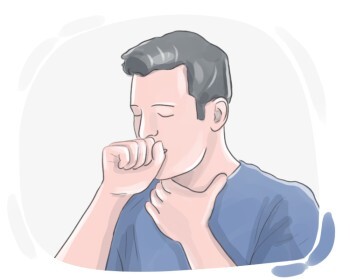
to force air suddenly out of the lungs through the throat with a short, sharp sound
umubo
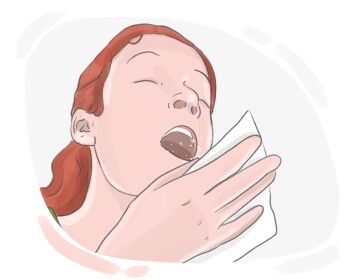
to blow air out of our nose and mouth in a sudden way
bumahing, magbahing
Huwag kalimutang takpan ang iyong bibig kapag ikaw ay bumabahing.

to feel a sensation on the skin that makes one want to scratch
mangati, kumati
Pagkatapos makagat ng mga lamok, nagsimulang mangati nang walang kontrol ang kanyang mga binti.
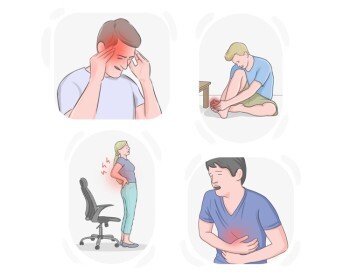
to feel a prolonged physical pain in a part of one's body, especially one that is not severe
sumakit, magdusa
Pagkatapos ng mahabang araw ng trabaho, nagsimulang sumakit ang kanyang likod mula sa pag-upo sa desk.
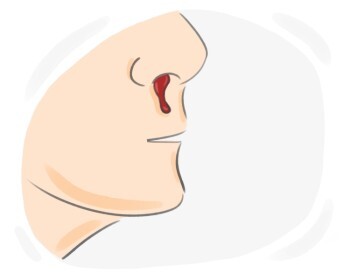
to lose blood from an injury or wound
dumugo, mawalan ng dugo
Ang papel na hiwa sa kanyang daliri ay nagsimulang dumugo matapos niyang aksidenteng mahawakan ito.
to lose consciousness for a short time, especially because of heat, pain, shock, or weakness
himatayin
(of a person) to fall and become unconscious
himatayin, bagsak
to lose consciousness
mawalan ng malay, mawalan ng ulirat
Nahihilo siya at halos himatayin sa panahon ng presentasyon.
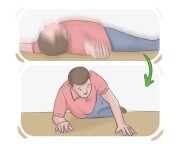
to awaken from a state of unconsciousness
magkamalay, gumising
Pagkatapos mawalan ng malay, ilang minuto bago siya nagkamalay at napagtanto kung nasaan siya.
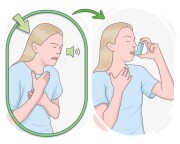
to breathe with difficulty, especially with a whistling or rattling sound
humunihip, humingal ng may kahirapan
Ang hika ng bata ay nagdulot sa kanya ng paghinga na may huni na naririnig sa panahon ng isang respiratory episode.
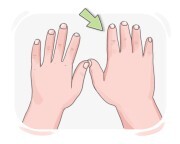
to become larger or rounder than normal, especially because of fluid accumulating inside
magbuka, mamaga
