
Czasowniki Tematyczne Działań Ludzkich - Czasowniki związane z objawami choroby
Tutaj nauczysz się niektórych angielskich czasowników odnoszących się do objawów choroby, takich jak "wymiotować", "kichać" i "swędzieć".
Przegląd
Fiszki
formy
Pisownia
Test
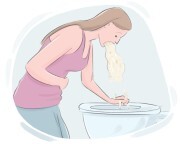
to eject what has been eaten or drunk through the mouth

wymiotować, zwracać
Po przejażdżce roller coasterem niektórzy ludzie wymiotowali z powodu choroby lokomocyjnej.
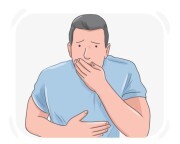
to attempt to vomit but be unable to, typically due to an unpleasant taste or smell
odczuwać mdłości, mieć odruch wymiotny
Nieprzyjemny zapach w pokoju sprawił, że wszyscy mieli odruch wymiotny, gdy weszli.
to forcibly expel the contents of the stomach through the mouth
wymiotować, rzygać
Ostatniej nocy niespodziewanie zwymiotował po zjedzeniu ciężkiego posiłku.
to expel the contents of the stomach through the mouth
wymiotować, zwracać
Choroba morska spowodowała, że kilku pasażerów na statku zwymiotowało.
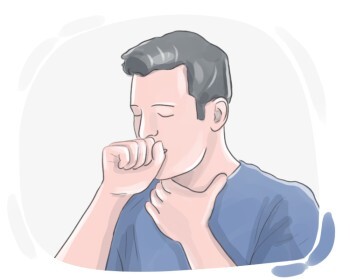
to push air out of our mouth with a sudden noise
kasłać, dostać kaszlu
Tak bardzo kaszlała, że musiała wyjść z pokoju.
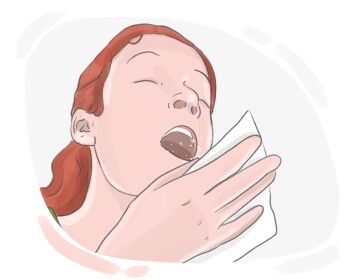
to blow air out of our nose and mouth in a sudden way
kichać, kichnąć
Zaczęła kichać z powodu kurzu w pokoju.

to feel a sensation on the skin that makes one want to scratch
swędzieć, drapać
Moja skóra często swędzi, kiedy noszę ubrania z tkanin syntetycznych.
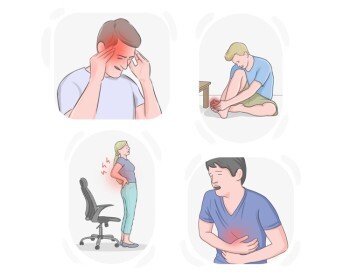
to feel a prolonged physical pain in a part of one's body, especially one that is not severe
boleć, cierpieć
Wczoraj moje mięśnie naprawdę bolały po intensywnym treningu.
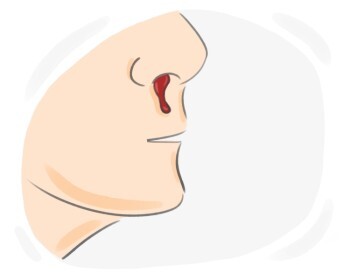
to lose blood from an injury or wound
krwawić, tracie krew
W przypadku niewielkiego urazu małe zadrapanie może krótko krwawić, zanim się zaskrzepnie.
to suddenly lose consciousness from a lack of oxygen in the brain, which is caused by a shock, etc.
zemdleć, stracić przytomność
Często mdleje na widok igieł, co sprawia, że wizyty lekarskie są trudne.
(of a person) to fall and become unconscious
zemdleć, upaść
Ciężkie odwodnienie może prowadzić do zawrotów głowy i spowodować, że ludzie upadają.
to lose consciousness
zemdleć, stracić przytomność
Bez wystarczającej wentylacji w pomieszczeniu kilka osób zaczęło czuć, że mogą stracić przytomność.
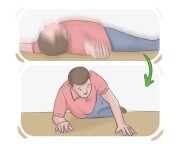
to awaken from a state of unconsciousness
odzyskiwać przytomność, budzić się
Bokserowi zajęło trochę czasu, zanim doszedł do siebie po nokaucie na ringu.
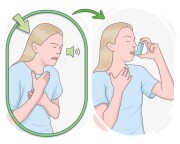
to breathe with difficulty, especially with a whistling or rattling sound
sapać, oddychać z trudem
Pacjent z astmą obecnie świszczy z powodu wyzwalacza w środowisku.
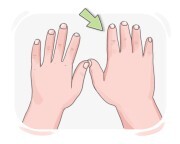
to become rounder or larger, particularly due to an increase in the amount of fluid
puchnąć, opuchnąć
Zraniony obszar obecnie puchnie z powodu reakcji zapalnej.
