
Verbos Relacionados con Temas de Acciones Humanas - Verbos relacionados con los síntomas de la enfermedad
Aquí aprenderás algunos verbos en inglés que se refieren a síntomas de enfermedades como "vomitar", "estornudar" y "picar".
Revisión
Tarjetas de memoria
formas
Ortografía
Cuestionario
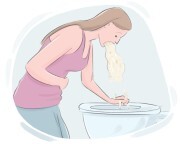
to eject what has been eaten or drunk through the mouth

vomitar, devolver
Ayer, vomitó inesperadamente después de cenar en el restaurante.
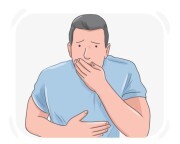
to attempt to vomit but be unable to, typically due to an unpleasant taste or smell
tener arcadas, tener náuseas
No podía soportar la vista de las imágenes gráficas y tuvo que apartar la mirada para evitar arcadas.
to forcibly expel the contents of the stomach through the mouth
vomitar, devolver
El mal olor en la habitación casi lo hizo vomitar.
to expel the contents of the stomach through the mouth
vomitar
Ella tenía un virus estomacal y pasó la noche vomitando.
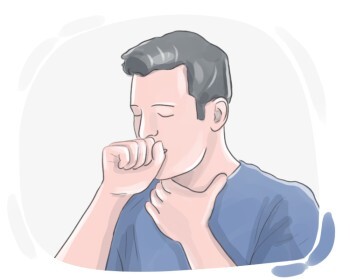
to push air out of our mouth with a sudden noise
toser
Por favor, cúbrase la boca cuando tosca.
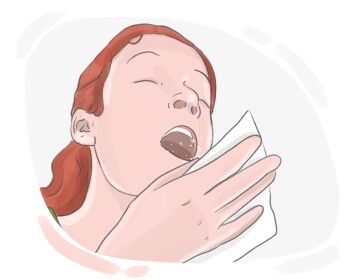
to blow air out of our nose and mouth in a sudden way
estornudar
Si estornudas en tu mano, recuerda lavarla después.

to feel a sensation on the skin that makes one want to scratch
picar, rascar
El clima seco puede hacer que el cuero cabelludo pique, lo que provoca incomodidad.
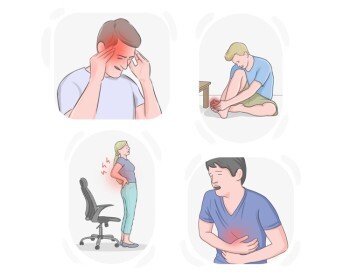
to feel a prolonged physical pain in a part of one's body, especially one that is not severe
doler
Cuando el clima cambia, las articulaciones de algunas personas duelen debido a la sensibilidad.
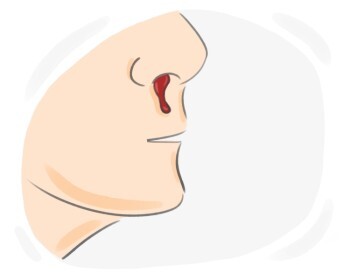
to lose blood from an injury or wound
sangrar
Es esencial aplicar presión a una herida para evitar que sangre excesivamente.
to suddenly lose consciousness from a lack of oxygen in the brain, which is caused by a shock, etc.
desmayarse, sufrir un desmayo
La vista de la sangre puede ser angustiante para algunas personas y puede hacer que se desmayen.
(of a person) to fall and become unconscious
sufrir un colapso
Una caída repentina de la presión arterial hizo que se desplomara durante la reunión.
to lose consciousness
desmayarse, perder el conocimiento
Después de estar de pie durante horas bajo el sol, se desmayó por deshidratación.
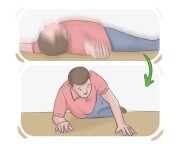
to awaken from a state of unconsciousness
volver en sí
Quedó inconsciente en el accidente pero poco a poco volvió en sí en la ambulancia.
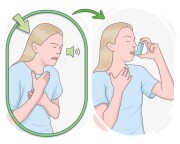
to breathe with difficulty, especially with a whistling or rattling sound
resollar, respirar con dificultad
Fumar puede contribuir a problemas pulmonares, haciendo que las personas siblen con el tiempo.
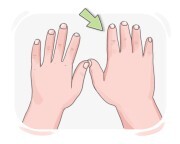
to become rounder or larger, particularly due to an increase in the amount of fluid
hincharse
Cuando una articulación se lesiona, puede hincharse como parte del proceso natural de curación del cuerpo.
