pattern

与人类行为相关的主题动词 - 与疾病症状相关的动词

在这里,你将学习一些指代疾病症状的英语动词,如“呕吐”、“打喷嚏”和“痒”。

审查

闪卡

词形

拼写

测验

开始学习
Categorized English Topic-Related Verbs of Human Actions
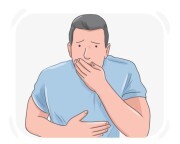
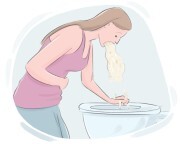
to vomit
to vomit
[动词]

to eject what has been eaten or drunk through the mouth

呕吐, 吐

呕吐, 吐

Ex: Right now , she is feeling nauseous and might be vomiting soon .

现在,她感到恶心,可能很快就会呕吐

关闭
登录
to gag
to gag
[动词]

to attempt to vomit but be unable to, typically due to an unpleasant taste or smell

作呕, 干呕

作呕, 干呕

Ex: The excessive coughing caused him to gag, but he managed to control it .

过度的咳嗽让他干呕,但他设法控制住了。

关闭
登录
to puke
to puke
[动词]

to forcibly expel the contents of the stomach through the mouth

呕吐, 吐

呕吐, 吐

Ex: The child is currently puking after consuming something disagreeable .

孩子在吃了不愉快的东西后正在呕吐

关闭
登录
to throw up
to throw up
[动词]

to expel the contents of the stomach through the mouth

呕吐, 吐

呕吐, 吐

Ex: The bad odor in the room made her feel sick , and she had to throw up.

房间里的难闻气味让她感到恶心,她不得不呕吐

关闭
登录
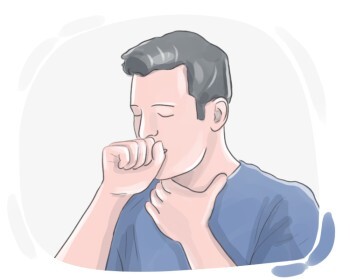
to cough
to cough
[动词]

to push air out of our mouth with a sudden noise

咳嗽, 咳起来

咳嗽, 咳起来

Ex: When he began to cough during his speech , someone offered him a glass of water .

当他在演讲中开始咳嗽时,有人递给他一杯水。

关闭
登录
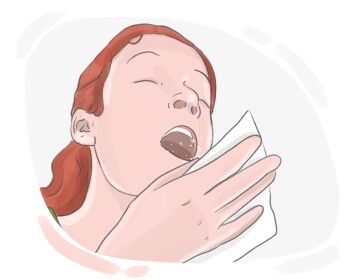
to sneeze
to sneeze
[动词]

to blow air out of our nose and mouth in a sudden way

打喷嚏, 发出喷嚏

打喷嚏, 发出喷嚏

Ex: Whenever I dust my house , I sneeze a lot .

每当我打扫家里的灰尘时,我都会打很多喷嚏

关闭
登录
to itch
to itch
[动词]

to feel a sensation on the skin that makes one want to scratch

痒, 挠痒

痒, 挠痒

Ex: Yesterday , the bug bites on my arms and legs really itched.

昨天,我胳膊和腿上的虫子咬伤真的很

关闭
登录
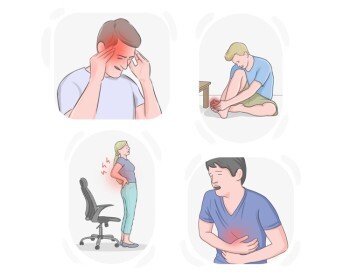
to ache
to ache
[动词]

to feel a prolonged physical pain in a part of one's body, especially one that is not severe

疼痛,  酸痛

疼痛, 酸痛

Ex: Her knees frequently ache during colder weather.

在寒冷的天气里,她的膝盖经常疼痛

关闭
登录
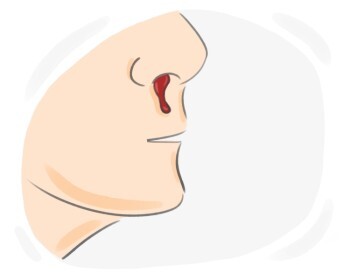
to bleed
to bleed
[动词]

to lose blood from an injury or wound

流血, 失血

流血, 失血

Ex: Last week , I accidentally cut my finger , and it bled for a while .

上周,我不小心割伤了手指,它流血了一会儿。

关闭
登录
to faint
to faint
[动词]

to suddenly lose consciousness from a lack of oxygen in the brain, which is caused by a shock, etc.

昏倒, 晕倒

昏倒, 晕倒

Ex: Last night , he unexpectedly fainted during the scary movie .

昨晚,他在看恐怖电影时意外地晕倒了。

关闭
登录
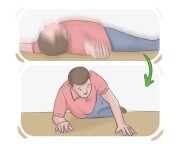
to collapse
to collapse
[动词]

(of a person) to fall and become unconscious

昏倒, 倒下

昏倒, 倒下

Ex: The flu weakened her to the point that she had to be hospitalized after collapsing at home .

流感使她虚弱到在家昏倒后不得不住院。

关闭
登录
to pass out
to pass out
[动词]

to lose consciousness

昏倒, 失去知觉

昏倒, 失去知觉

Ex: She hit her head against the shelf and passed out instantly .

她的头撞到了架子上,立刻昏了过去

关闭
登录
to come around

to awaken from a state of unconsciousness

苏醒, 醒来

苏醒, 醒来

Ex: The hiker fell and hit his head , but he quickly came around and was able to continue the hike .

徒步旅行者摔倒并撞到了头,但他很快苏醒过来,并能够继续徒步旅行。

关闭
登录
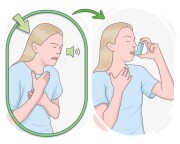
to wheeze
to wheeze
[动词]

to breathe with difficulty, especially with a whistling or rattling sound

喘息, 呼吸困难地呼吸

喘息, 呼吸困难地呼吸

Ex: After being in the dusty attic , he wheezed due to irritation .

在满是灰尘的阁楼里待过后,他因刺激而喘息

关闭
登录
to swell
to swell
[动词]

to become rounder or larger, particularly due to an increase in the amount of fluid

肿胀, 膨胀

肿胀, 膨胀

Ex: After the long flight , his ankles swelled due to poor circulation .

长途飞行后,由于血液循环不良,他的脚踝肿胀了。

关闭
登录
LanGeek
下载LanGeek应用程序