
Il libro Solutions - Avanzato - Introduzione - IA
Qui troverai il vocabolario dell'Introduzione - IA nel libro di corso Solutions Advanced, come "bump into", "cleft", "work out", etc.
Ripasso
Flashcard
Ortografia
Quiz


to unexpectedly meet someone, particularly someone familiar

imbattersi in,incontrare per caso
I fratelli spesso si incontrano al parco locale.

to have some information about something
sapere, conoscere
Lui sa suonare il piano.

to go away from somewhere
partire,lasciare
Devo partire per l'aeroporto tra un'ora.

to expect or hope that something will happen or be achieved
cercare

to come together as previously scheduled for social interaction or a prearranged purpose
incontrare
I due amici hanno deciso di incontrarsi al cinema prima dello spettacolo.
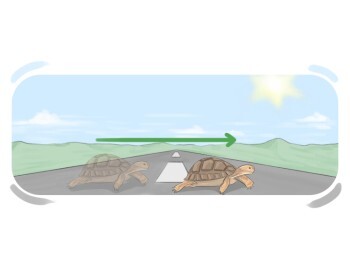
to change your position or location
muovere
Il ballerino si è mosso con grazia attraverso il palco.

to make a phone call or try to reach someone on the phone
telefonare
Ti telefonerò più tardi per discutere i dettagli del nostro viaggio.
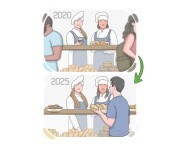
to own, manage, or organize something such as a business, campaign, a group of animals, etc.
dirigere
Non hanno idea di come gestire un bed and breakfast.

to visit a particular place or person
vedere

to not leave until a person or thing is ready or present or something happens
aspettare
Gli studenti hanno dovuto aspettare pazientemente i risultati dell'esame.

to exercise in order to get healthier or stronger
allenarsi, allenarsi per diventare più sano o forte
Lei si è allenata per un'ora ieri dopo il lavoro.
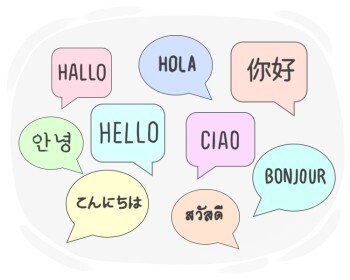
the system of communication by spoken or written words, that the people of a particular country or region use
lingua
Usano risorse online per studiare la grammatica e il vocabolario nella lingua.

a single word or group of words used to name or define something
termine
Il termine "cambiamento climatico" è diventato ampiamente riconosciuto.
(grammar) connected with or functioning as an adjective
aggettivale
La parola "bright" è una descrizione aggettivale di un colore nella frase "bright yellow".
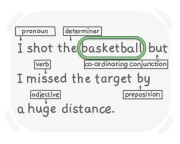
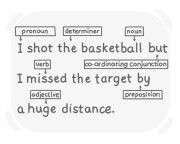
a word that is used to name a person, thing, event, state, etc.
sostantivo
Comprendere la funzione di un sostantivo è fondamentale per imparare l'inglese.
divided or split into separate parts
fenditura
L'albero antico aveva un tronco fesso che si era svuotato nel tempo.
a group of words that forms a statement, question, exclamation, or instruction, usually containing a verb
frase
Per migliorare il tuo inglese, prova a esercitarti scrivendo una frase ogni giorno.
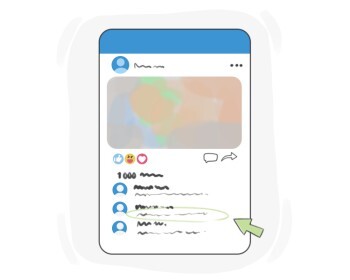
a spoken or written remark that expresses an opinion or reaction
commento
Il post del comico ha ricevuto numerosi commenti umoristici.
to embellish or enhance a piece of writing, particularly blank verse or prose, by introducing rhymes or rhyming elements
contrassegnare
Lo scrittore non ha esitato a segnare la fine di ogni stanza con un distico in rima.
(grammar) a type of subordinate clause that provides additional information about a noun or pronoun in a sentence
clausola relativa
Nella frase "la donna che ha parlato", la proposizione relativa definisce di quale donna si sta parlando.
(grammar) referring to a type of relative clause that provides essential information about the noun or pronoun it modifies
specifiche
Le proposizioni definitive sono cruciali perché influenzano direttamente il significato della frase.
(grammar) characterizing a clause that relies on additional elements, incapable of standing solo as a full sentence in its structure
dipendente
La proposizione dipendente in quella frase fornisce informazioni aggiuntive ma non può esistere indipendentemente.

(grammar) a word that comes before a noun or pronoun to indicate location, direction, time, manner, or the relationship between two objects
proposizione
Ci incontreremo alle 17. "Alle" è una preposizione che indica il tempo.
(grammar) the act of omitting a word or words from a sentence, when the meaning is complete and the omission is understood from the context
ellisse
Il giornalista ha usato i puntini di sospensione per omettere dettagli irrilevanti dalla trascrizione dell'intervista.
(grammar) a form of a verb that functions as a noun and is formed by adding the suffix -ing to the base form of the verb
gerundio
I gerundi sono usati per esprimere azioni o attività in un senso generale o astratto, piuttosto che come istanze specifiche di azione.
(grammar) a type of relative clause that provides additional information about a noun or pronoun in a sentence but is not essential to the meaning of the sentence
non definente
Ha aggiunto una clausola non definita alla frase per chiarire.
(grammar) a verb form that typically ends in -ing and is used to indicate ongoing actions, continuous states, or simultaneous actions in relation to the main verb of a sentence
participio presente
I participi presenti sono anche usati come aggettivi, come in "un viso sorridente".

something that is caused by something else
risultato
Gli sforzi di ristrutturazione dell'azienda hanno portato a risultati finanziari positivi.
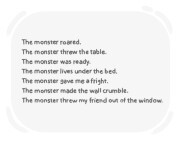
(grammar) a group of words that contains a subject and a verb and functions as a unit within a sentence
clausola
Capire come funziona una proposizione può migliorare notevolmente la struttura della tua frase.
a word that connects a dependent clause to an independent clause and shows the relationship between them
congiunzione subordinata
Nella grammatica inglese, una congiunzione subordinante è essenziale per fare frasi complesse.
