
Cartea Solutions - Avansat - Introducere - IA
Aici veți găsi vocabularul din Introducere - IA în manualul Solutions Advanced, cum ar fi "bump into", "cleft", "work out" etc.
Revizuire
Fișe de studiu
forme
Ortografie
Chestionar
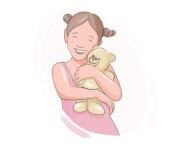
to be one's property

aparține, a fi proprietatea
Opera de artă expusă în galerie aparține unui artist celebru.

to unexpectedly meet someone, particularly someone familiar
a da peste, a întâlni din întâmplare
Ne-am întâlnit accidental la cafenea, și a fost o surpriză plăcută.
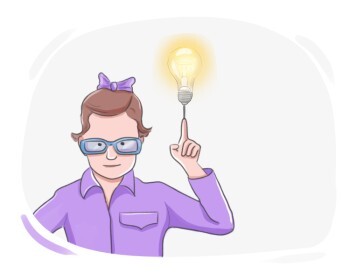
to have some information about something
ști, cunoaște
El știe că a făcut o greșeală și își cere scuze pentru asta.
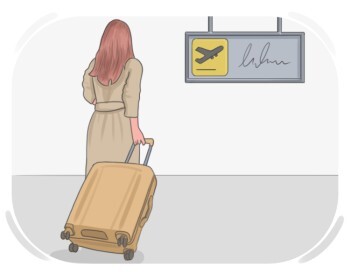
to go away from somewhere
pleca, părăsi
Ea a decis să părăsească petrecerea pentru că era prea aglomerat.

to expect or hope for something
a se aștepta, a spera
Elevii speră să obțină o notă bună la examenul viitor.
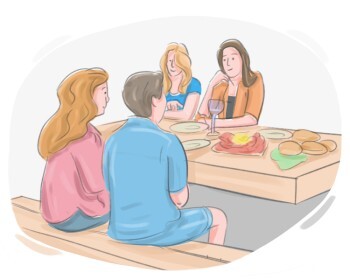
to come together as previously scheduled for social interaction or a prearranged purpose
a se întâlni, a se aduna
Ea a sugerat să se întâlnească la bibliotecă pentru a studia împreună.
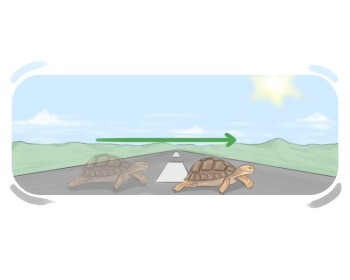
to change your position or location
a se mișca, a se deplasa
Camperul putea auzi animalele mișcându-se prin tufișurile din apropiere.

to make a phone call or try to reach someone on the phone
sună, telefona
Trebuie să sun prietena mea pentru a vedea dacă este disponibilă pentru cină în seara asta.
to own, manage, or organize something such as a business, campaign, a group of animals, etc.
conduce, administra
Ei administrează o turmă de cămile pentru expediții în deșert.

to visit a particular place or person
vedea, vizita
Sunt entuziasmat să văd sora mea care locuiește în alt stat.

to not leave until a person or thing is ready or present or something happens
aștepta, așteptare
Vă rugăm să așteptați un moment în timp ce verific disponibilitatea articolului.

to exercise in order to get healthier or stronger
a se antrena, a face exerciții fizice
Fac exerciții cu un prieten pentru a face rutina de exerciții mai plăcută.
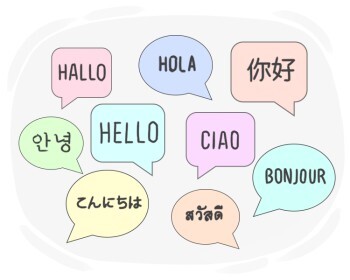
the system of communication by spoken or written words, that the people of a particular country or region use
limbă
Învățarea unui nou limbaj deschide uși către culturi și oportunități diferite.

a single word or group of words used to name or define something
termen, cuvânt
Ea a învățat un nou termen medical în clasa ei.
(grammar) connected with or functioning as an adjective
adjectival, adjectiv
Cuvântul "frumos" este o formă adjectivală care modifică substantivele.
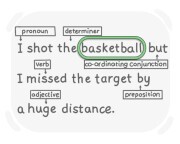
a word that is used to name a person, thing, event, state, etc.
substantiv, nume
Un substantiv este un cuvânt care reprezintă o persoană, un loc, un lucru sau o idee.
divided or split into separate parts
despicat, divizat
El a stat pe creasta crăpată, privind spre oceanul de dedesubt.
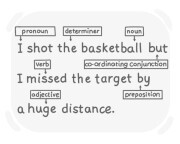
a group of words that forms a statement, question, exclamation, or instruction, usually containing a verb
propoziție, fraza
Puteți construi o propoziție folosind cuvintele furnizate în lista de vocabular?
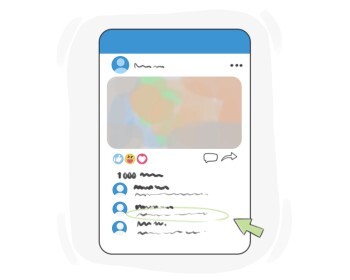
a spoken or written remark that expresses an opinion or reaction
comentariu
A răspuns la comentariul meu cu o explicație detaliată.
to embellish or enhance a piece of writing, particularly blank verse or prose, by introducing rhymes or rhyming elements
împodobi, înfrumoșa
Poetul a căutat să eticheteze versurile sale cu rime subtile, adăugând adâncime versului său alb.
(grammar) a type of subordinate clause that provides additional information about a noun or pronoun in a sentence
propoziție relativă, subordonată relativă
O propoziție relativă poate ajuta la clarificarea persoanei la care vă referiți.
(grammar) referring to a type of relative clause that provides essential information about the noun or pronoun it modifies
definitoriu, determinativ
Adjectivul definitoriu roșu din "mașina roșie" specifică despre ce mașină este vorba.
(grammar) characterizing a clause that relies on additional elements, incapable of standing solo as a full sentence in its structure
dependent, subordonat
O propoziție dependentă nu poate sta singură ca o propoziție completă.

(grammar) a word that comes before a noun or pronoun to indicate location, direction, time, manner, or the relationship between two objects
prepoziție, cuvânt de relație
El a folosit o listă de prepoziții comune pentru a ajuta la corectarea greșelilor sale gramaticale din eseu.
(grammar) the act of omitting a word or words from a sentence, when the meaning is complete and the omission is understood from the context
elipsă, omisiune
Autorul a folosit punctele de suspensie pentru a sugera o pauză sau un gând neterminat în dialog.
(grammar) a form of a verb that functions as a noun and is formed by adding the suffix -ing to the base form of the verb
gerunziu, formă verbală care funcționează ca substantiv
Un gerunziu este o formă verbală care funcționează ca un substantiv, terminându-se în "-ing".
(grammar) a type of relative clause that provides additional information about a noun or pronoun in a sentence but is not essential to the meaning of the sentence
nedefinitor, neesențial
Propozițiile nedefinitorii, care oferă informații suplimentare, sunt separate prin virgule.
(grammar) a verb form that typically ends in -ing and is used to indicate ongoing actions, continuous states, or simultaneous actions in relation to the main verb of a sentence
participiu prezent, gerunziu
Participiul prezent al lui "run" este "running".
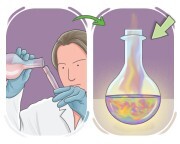
something that is caused by something else
rezultat, efect
Munca asiduă a echipei a produs rezultate excelente în competiție.
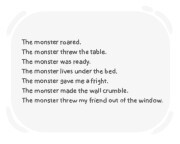
(grammar) a group of words that contains a subject and a verb and functions as a unit within a sentence
propoziție, clauză
El a evidențiat propoziția principală din propoziție cu un marker roșu.
a word that connects a dependent clause to an independent clause and shows the relationship between them
conjuncție subordonatoare, conector subordonator
O conjuncție subordonatoare unește o propoziție dependentă de propoziția principală într-o propoziție.
