
Il libro Interchange - Intermedio - Unità 14 - Parte 1
Qui troverai il vocabolario dell'Unità 14 - Parte 1 del libro di corso Interchange Intermediate, come "divertito", "rughe", "frustrato", ecc.
Revisione
Flashcard
forme
Ortografia
Quiz
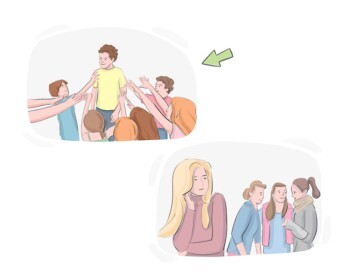
receiving a lot of love and attention from many people

popolare

feeling entertained or finding something funny or enjoyable
divertire
La sua espressione divertita mostrava che trovava la battuta divertente.
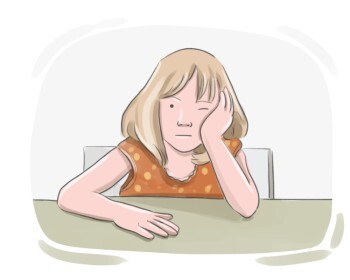
tired and unhappy because there is nothing to do or because we are no longer interested in something
annoiato
La voce monotona dell'insegnante ha fatto sentire gli studenti annoiati.

feeling ashamed and uncomfortable because of something that happened or was said
imbarazzato
Era chiaramente imbarazzato per l'errore che aveva commesso.

extremely surprising, particularly in a good way
meraviglioso
La loro vacanza al mare è stata fantastica, con un tempo perfetto ogni giorno.
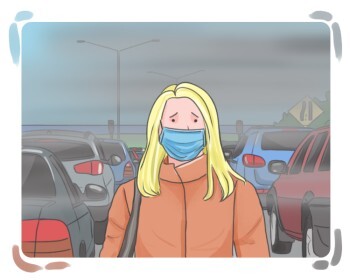
extremely unpleasant or disagreeable
terribile
Hanno ricevuto una terribile notizia sull'incidente del loro amico.

to joke about something, often by giving false or inaccurate information
scherzare, prendere in giro

the nonverbal communication of thoughts, feelings, or intentions through physical gestures, posture, facial expressions, and movements
linguaggio del corpo
Comprendere il linguaggio del corpo può migliorare la comunicazione nelle relazioni.
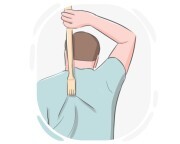
to rub the skin with the fingernails or claws, especially to relieve itching
graffiare
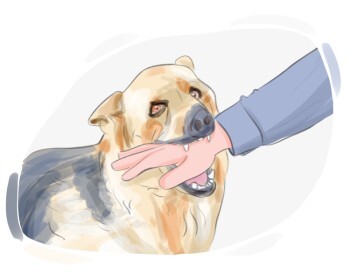
to cut into flesh, food, etc. using the teeth
mordere

to move in a direction by turning over and over or from one side to another repeatedly
arrotolare
to hit someone or something gently, often with a few quick light blows
battere leggermente, tamburellare

to take and bring something out of a particular place or position
tirare fuori, estrarre
Mentre la lezione iniziava, gli studenti hanno tirato fuori i loro quaderni per prendere appunti.
to develop small lines or creases on the surface of something, often caused by folding, shrinking, or aging
sgualcire, increspare
Le guance paffute del bambino si increspavano ad ogni sorriso, aggiungendo al suo adorabile fascino.
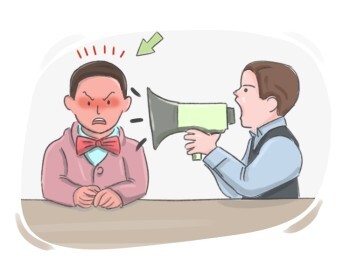
feeling slightly angry or irritated
seccato
L'espressione irritata sul suo volto mostrava la sua frustrazione con la lenta connessione internet.
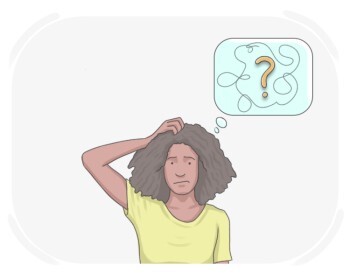
feeling uncertain or not confident about something because it is not clear or easy to understand
confuso
Le istruzioni erano così poco chiare che hanno lasciato tutti confusi.
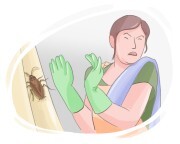
having or displaying great dislike for something
disgustato
Si è sentita disgustata dalle condizioni sporche del bagno pubblico.
(of a person) incapable of achieving success in a specific profession
frustrato
Vissé come un inventore frustrato, sempre a corto di fondi e supporto.
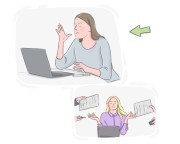
unable to wait calmly for something or someone, often feeling irritated or frustrated
impaziente
È sempre impaziente quando si tratta di connessioni Internet lente.

feeling angry or annoyed, often due to something unpleasant
irritato
Il suo tono irritato ha reso chiaro che era frustrato dalla situazione.
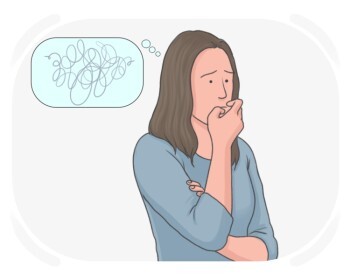
worried and anxious about something or slightly afraid of it
nervoso
Si sentiva nervoso prima della sua grande presentazione al lavoro.

to move one's head up and down as a sign of agreement, understanding, or greeting
annullare

showing good manners and respectful behavior towards others
educato
Gli studenti erano educati e ascoltavano attentamente il loro insegnante.

to say or show one's unwillingness to do something that someone has asked
rifiutare

to urgently demand someone to do something or something to take place
insistere
Nonostante le sue ferite, ha insistito per finire la gara.
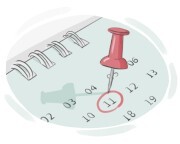
to make a person remember an obligation, task, etc. so that they do not forget to do it
rimanere

in accordance with methods, beliefs, or customs that have remained unchanged for a long period of time
tradizionalmente
L'indumento era tradizionalmente indossato dalle spose in quella cultura.
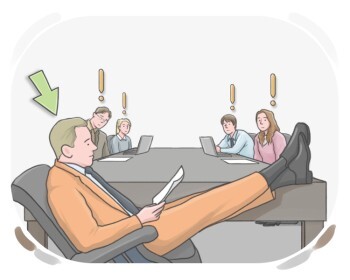
(of a person) having no respect for other people
maleducato
Lei è maleducata e non dice mai per favore o grazie.
used to emphasize a fact or the truth of a situation
effettivamente
Molte persone presumevano che fosse il manager, ma in realtà, è una consulente senior.

| Il libro Interchange - Intermedio | |||
|---|---|---|---|
| Unità 10 - Parte 2 | Unità 11 - Parte 1 | Unità 11 - Parte 2 | Unità 12 |
| Unità 13 - Parte 1 | Unità 13 - Parte 2 | Unità 14 - Parte 1 | Unità 14 - Parte 2 |
| Unità 15 | Unità 16 - Parte 1 | Unità 16 - Parte 2 | |
