pattern

Il libro Interchange - Intermedio - Unità 16 - Parte 2

Qui troverai il vocabolario dell'Unità 16 - Parte 2 del libro di testo Interchange Intermediate, come « particular », « sympathize », « arrangement », ecc.

Revisione

Flashcard

forme

Ortografia

Quiz

Inizia a imparare
Interchange - Intermediate
to notice
to notice
[Verbo]

to pay attention and become aware of a particular thing or person

notare

notare

Ex: I noticed the time and realized I was late for my appointment. 
Chiudi
Accedi
finally
finally
[avverbio]

after a long time, usually when there has been some difficulty

alla fine

alla fine

Ex: They waited anxiously for their turn, and finally, their names were called. 

Attesero ansiosamente il loro turno e, finalmente, i loro nomi furono chiamati.
Chiudi
Accedi
sympathetic
sympathetic
[aggettivo]

showing care and understanding toward other people, especially when they are not feeling good

comprensivo

comprensivo

Ex: The therapist provided a sympathetic environment for her clients to share their emotions. 

Il terapeuta ha fornito un ambiente comprensivo ai suoi clienti per condividere le loro emozioni.
Chiudi
Accedi
per
per
[Preposizione]

for one person or thing

ogni

ogni

Ex: The speed limit is 55 miles per hour. 
Chiudi
Accedi
particular
particular
[aggettivo]

distinctive among others that are of the same general classification

particolare

particolare

Ex: The law applies to a particular type of vehicle, such as electric cars. 

La legge si applica a un tipo particolare di veicolo, come le auto elettriche.
Chiudi
Accedi
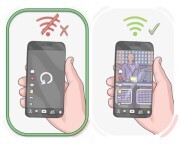
quickly
quickly
[avverbio]

with a lot of speed

rapidamente

rapidamente

Ex: The river flowed quickly after heavy rainfall. 

Il fiume scorreva velocemente dopo forti piogge.
Chiudi
Accedi
issue
issue
[sostantivo]

problems or difficulties that arise, especially in relation to a service or facility, which require resolution or attention

problema

problema

Ex: The bank faced an issue with its online banking portal, causing inconvenience to users. 
Chiudi
Accedi
in fact
in fact
[avverbio]

used to introduce a statement that provides additional information or emphasizes the truth or reality of a situation

infatti

infatti

Ex: He told me he didn't know her; in fact, they are close friends. 

Mi ha detto che non la conosceva; in effetti, sono buoni amici.

Chiudi
Accedi
percent
percent
[avverbio]

for or in every hundred

percentuale

percentuale

Ex: The company expects profits to rise by eight percent. 
Chiudi
Accedi
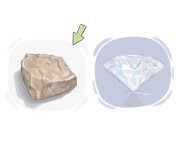
generally
generally
[avverbio]

in a way that is true in most cases

generalmente

generalmente

Ex: People generally prefer direct flights over layovers. 

Le persone generalmente preferiscono voli diretti piuttosto che scali.
Chiudi
Accedi
common
common
[aggettivo]

regular and without any exceptional features

comune

comune

Ex: His response was so common that it didn’t stand out in the conversation. 

La sua risposta era così comune che non spiccava nella conversazione.

Chiudi
Accedi
detail
detail
[sostantivo]

a small fact or piece of information

dettaglio

dettaglio

Ex: During the meeting, he provided additional details about the upcoming product launch strategy. 
Chiudi
Accedi
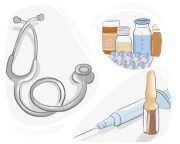
specific
specific
[aggettivo]

related to or involving only one certain thing

specifico
specifico

Ex: The teacher asked the students to provide specific examples of historical events for their assignment. 
Chiudi
Accedi
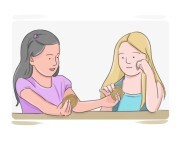
medical
medical
[aggettivo]

related to medicine, treating illnesses, and health

medico
medico

Ex: The pharmaceutical company conducts research to develop new medical treatments for diseases. 
Chiudi
Accedi
to share
to share
[Verbo]

to possess or use something with someone else at the same time

condividere, partecipare
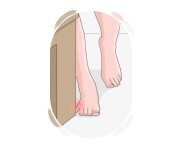
condividere, partecipare

Ex: The hotel is fully booked, and there's only one room left, so you'll have to share. 
Chiudi
Accedi
accident
accident
[sostantivo]

an unexpected and unpleasant event that happens by chance, usually causing damage or injury

incidente

incidente

Ex: Despite taking precautions, accidents can still happen in the workplace. 
Chiudi
Accedi
to slip
to slip
[Verbo]

to pass or escape unnoticed or undetected

scivolare
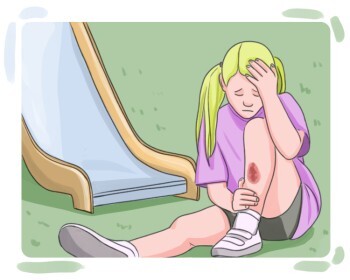
scivolare

Ex: The mischievous students attempted to slip out of the classroom without the teacher noticing. 
Chiudi
Accedi
to hurt
to hurt
[Verbo]

to cause injury or physical pain to yourself or someone else

ferire, far male

ferire, far male

Ex: She was running and hurt her thigh muscle. 
Chiudi
Accedi
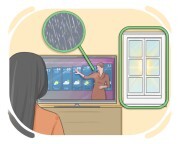
to sympathize

to support and approve of something or someone

simpatizzare

simpatizzare

Ex: He sympathized with her decision to pursue her passion over a stable job. 

Lui ha simpatizzato con la sua decisione di perseguire la sua passione piuttosto che un lavoro stabile.
Chiudi
Accedi
however
however
[avverbio]

used to add a statement that contradicts what was just mentioned

però

però

Ex: They were told the product was expensive; however, it turned out to be quite affordable. 

È stato detto loro che il prodotto era costoso; tuttavia, si è rivelato piuttosto conveniente.

Chiudi
Accedi
injury
injury
[sostantivo]

any physical damage to a part of the body caused by an accident or attack

ferita

ferita

Ex: The soldier received an award for bravery after an injury in battle. 
Chiudi
Accedi
arrangement
arrangement
[sostantivo]

a mutual understanding or agreement established between people

accordo

accordo

Ex: The arrangement for the wedding ceremony was very detailed. 
Chiudi
Accedi
employer
employer
[sostantivo]

a person or organization that hires and pays individuals for a variety of jobs

principale
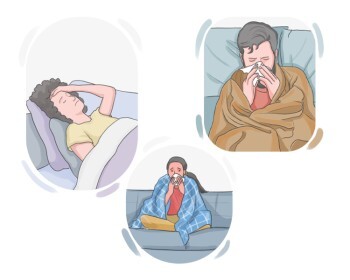
principale

Ex: The employer conducted background checks and interviews to ensure they hired qualified candidates for the job. 
Chiudi
Accedi
illness
illness
[sostantivo]

the state of being physically or mentally sick

malattia
malattia

Ex: His illness kept him in bed for weeks. 
Chiudi
Accedi
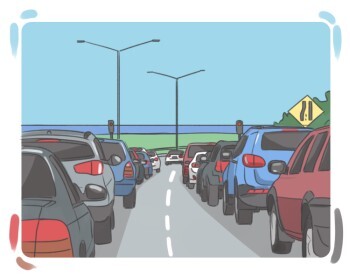
traffic jam
traffic jam
[sostantivo]

a large number of bikes, cars, buses, etc. that are waiting in lines behind each other which move very slowly

ingorgo

ingorgo

Ex: The traffic jam cleared up after the accident was cleared from the road. 

L'ingorgo si è risolto dopo che l'incidente è stato rimosso dalla strada.

Chiudi
Accedi
absence
absence
[sostantivo]

the state of not being at a place or with a person when it is expected of one

assenza
assenza

Ex: The absence of any complaints in the feedback survey suggested that customers were generally satisfied with the service. 
Chiudi
Accedi
to delay
to delay
[Verbo]

to arrive later than expected or planned

rimandare

rimandare

Ex: The flight was delayed because of heavy fog. 
Chiudi
Accedi
due to
due to
[Preposizione]

as a result of a specific cause or reason

a causa di

a causa di

Ex: The cancellation of classes was due to a teacher strike. 

La cancellazione delle lezioni è stata dovuta a uno sciopero degli insegnanti.
Chiudi
Accedi
whether
whether
[Congiunzione]

used to talk about a doubt or choice when facing two options

se

se

Ex: She asked whether he liked ice cream or cake better. 

Lei ha chiesto se preferisse il gelato o la torta.

Chiudi
Accedi
regardless
regardless
[avverbio]

with no attention to the thing mentioned

nonostante

nonostante

Ex: The team played with determination regardless of the score. 

La squadra ha giocato con determinazione a prescindere dal punteggio.
Chiudi
Accedi
minimum
minimum
[aggettivo]

having the least or smallest amount possible

minimo

minimo

Ex: The minimum amount needed for entry is $10. 
Chiudi
Accedi
advance
advance
[sostantivo]

progress or improvement in a particular area

avanzata

avanzata

Ex: Her skills have shown a notable advance since last year. 
Chiudi
Accedi
LanGeek
Scarica l'app LanGeek