
Elenco di Parole Livello A2 - Aggettivi Opposti (seconda parte)
Qui imparerai alcuni aggettivi essenziali in inglese e i loro opposti, come "pieno e vuoto", "semplice e difficile", preparati per gli studenti di livello A2.
Revisione
Flashcard
Ortografia
Quiz

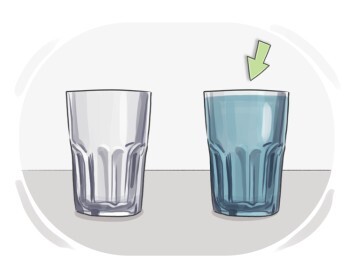
having no space left

pieno
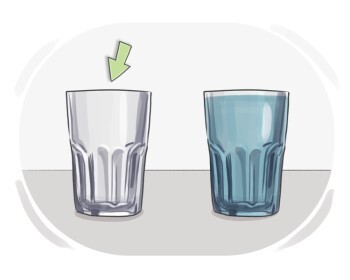
with no one or nothing inside
vuoto
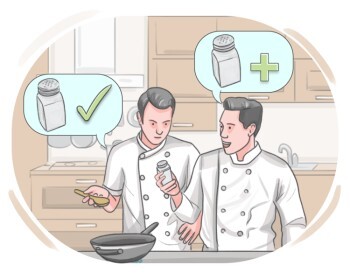
needed to be done for a particular reason or purpose
necessario
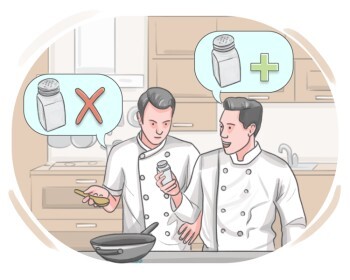
not needed at all or more than what is required
non necessario
Usare un linguaggio eccessivamente complicato nella presentazione è stato inutile; il pubblico avrebbe capito termini più semplici.
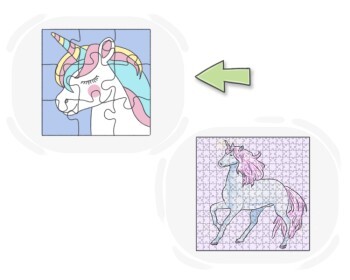
not involving difficulty in doing or understanding
semplice, facile

needing a lot of skill or effort to do
difficile
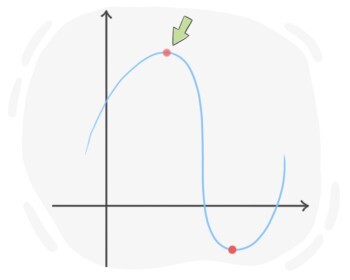
indicating the greatest or highest possible amount, quantity, or degree
massimale
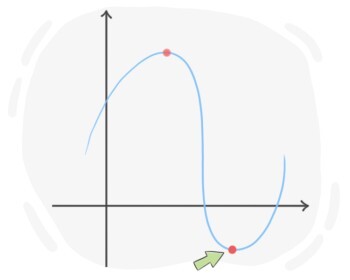
having the least or smallest amount possible
minimo
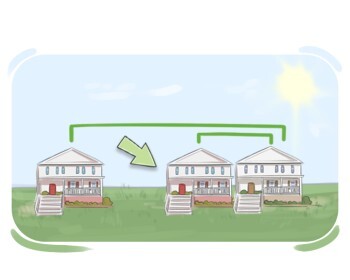
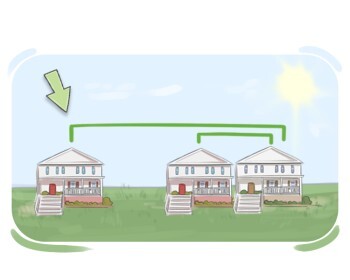
situated at a considerable distance in space
lontano
regular and without any exceptional features
comune
La sua risposta era così comune che non spiccava nella conversazione.
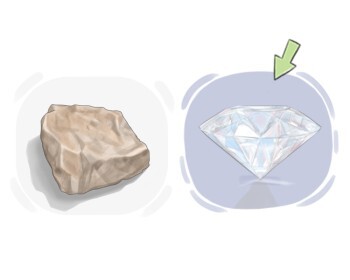
not happening or found often
raro
Il suo talento non comune nel risolvere problemi complessi ha impressionato tutti.
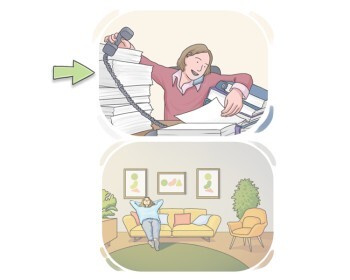
having so many things to do in a way that leaves not much free time
occupato
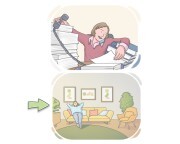
having no particular plans or tasks
libero
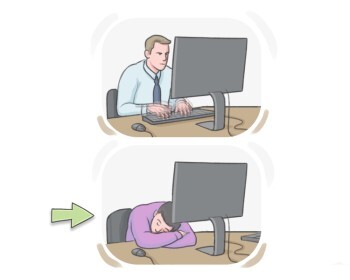
avoiding work or activity and preferring to do as little as possible
indolente
Lo studente pigro saltava regolarmente le lezioni e non completava i compiti in tempo.
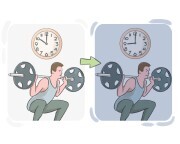
(of a person) putting in a lot of effort and dedication to achieve goals or complete tasks
laborioso
Il loro team lavoratore ha completato il progetto in anticipo, grazie alla loro dedizione.

helping our body or mind rest
rilassante
L'acqua calda e gorgogliante nella vasca idromassaggio era incredibilmente rilassante, alleviando i muscoli tesi.
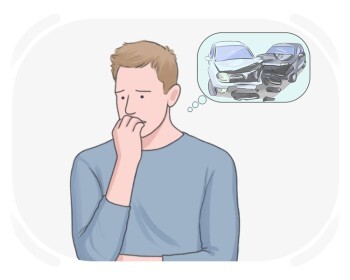
causing mental or emotional strain or worry due to pressure or demands
stressante
Aspettare i risultati del test è stato un momento stressante per il paziente e la sua famiglia.
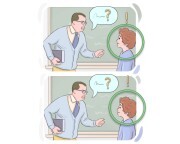
lacking intelligence or the ability to think clearly
stupido
Il criminale stupido ha lasciato ampie prove, rendendo facile per la polizia arrestarlo.
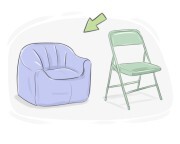
(of an object) making you feel relaxed because of it is warm or soft and does not hurt the body
comodo
I sedili comodi dell'auto hanno reso il lungo viaggio molto più piacevole.
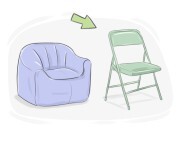
(of clothes, furniture, etc.) unpleasant to use or wear
scomodo
Ha trovato i tacchi alti scomodi da camminare, quindi è passata alle scarpe basse.
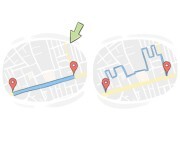
going from one place to another in a straight line without stopping or changing direction
diretto
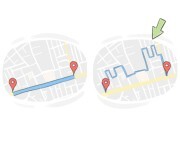
not going in a straight line or the shortest way
indiretto
Il percorso indiretto attraverso la foresta era più lungo ma offriva un'esperienza più tranquilla e serena.

different or better than what is normal
speciale
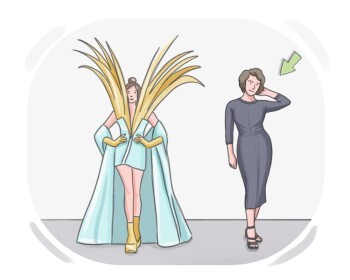
not unusual or different in any way
ordinario

known by a lot of people
famoso
È diventata famosa da un giorno all'altro dopo che il suo video virale ha ottenuto milioni di visualizzazioni.
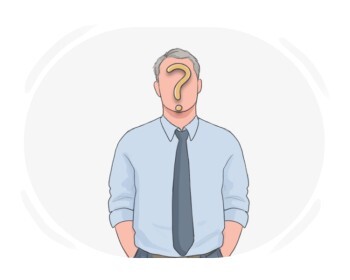
(of a person) not known by many people
sconosciuto
| Elenco di Parole Livello A2 | |||
|---|---|---|---|
| Avverbi | Aggettivi Opposti (seconda parte) | Emozioni | Modali e Altri Verbi |
| Matematica | Scienza e Mondo Naturale | Verbi Necessari (prima parte) | Verbi Necessari (terza parte) |
| Verbi Necessari (seconda parte) | Pronomi e Determinanti | ||
