pattern

A2レベルの単語リスト - 重要な反対語形容詞

人、物、感情、状況をより正確に説明できるよう、重要なA2英語形容詞を反対語の組み合わせで学びます。

レビュー

フラッシュカード

綴り

クイズ

学習を開始
CEFR A2 Vocabulary
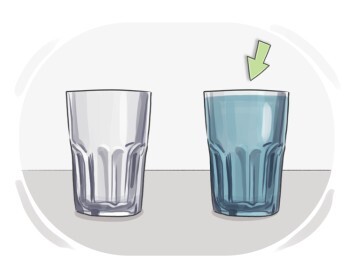
full
full
[形容詞]

having no space left

満員, いっぱい
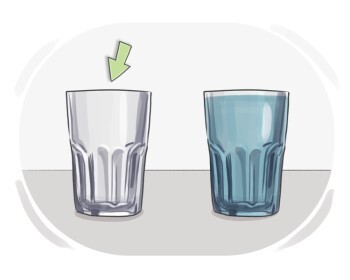
満員, いっぱい

Ex: The storage container was full to the brim with old clothes and belongings. 
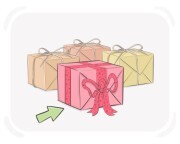
empty
empty
[形容詞]

with no one or nothing inside

空の, 無人

空の, 無人

Ex: The empty suitcase sat in the corner, waiting to be filled with clothes for the trip. 
necessary
necessary
[形容詞]

needed to be done for a particular reason or purpose

必要な, 不可欠な
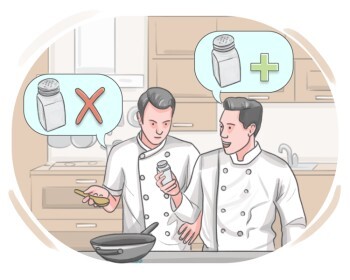
必要な, 不可欠な

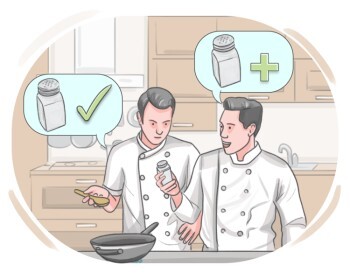
Ex: Wearing sunscreen is necessary to protect your skin from harmful UV rays. 
unnecessary
unnecessary
[形容詞]

not needed at all or more than what is required

不必要, 余計な

不必要, 余計な

Ex: His comments during the meeting were unnecessary and only served to prolong the discussion. 

会議中の彼の発言は不必要で、議論を長引かせるだけだった。

simple
simple
[形容詞]

not involving difficulty in doing or understanding

簡単, 易しい
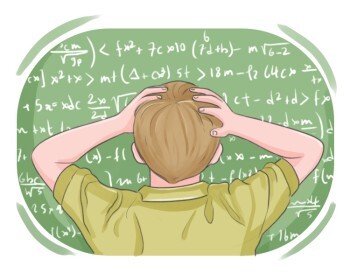
簡単, 易しい

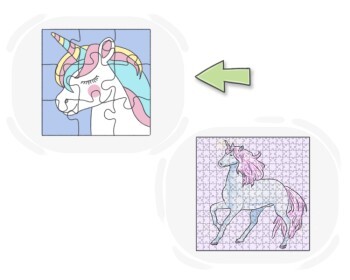
Ex: Solving the puzzle was simple; it only required logical thinking and observation. 
hard
hard
[形容詞]

needing a lot of skill or effort to do

難しい, 困難な
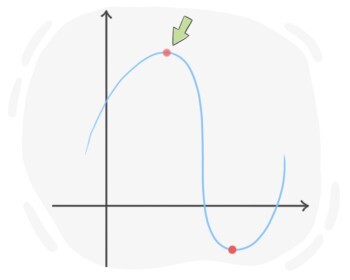
難しい, 困難な

Ex: Performing surgery is hard and requires precise skills and years of medical training. 
maximum
maximum
[形容詞]

indicating the greatest or highest possible amount, quantity, or degree

最大の, 最高の
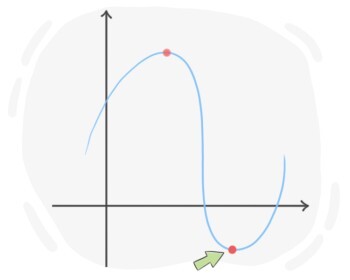
最大の, 最高の

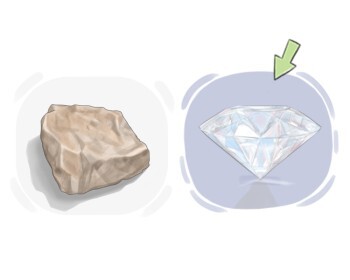
Ex: She received the maximum score on the exam, demonstrating her mastery of the subject. 
minimum
minimum
[形容詞]

having the least or smallest amount possible

最小限の, 最低限の
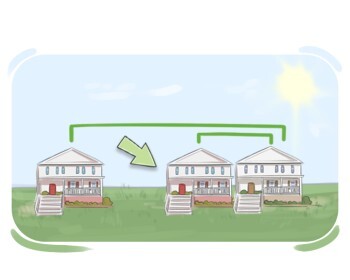
最小限の, 最低限の

Ex: She earned the minimum wage for her part-time job at the café. 
near
near
[形容詞]

not far from a place

近い, 隣接した

近い, 隣接した

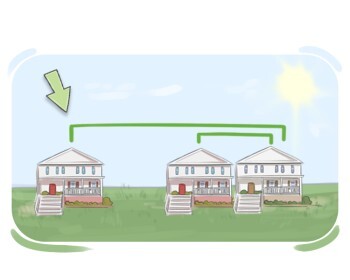
Ex: She moved to the near city to be closer to her workplace. 
far
far
[形容詞]

situated at a considerable distance in space

遠い,  遠隔の
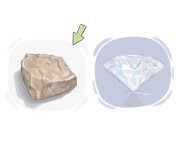
遠い, 遠隔の

Ex: A lighthouse marked the far end of the rocky coastline. 
common
common
[形容詞]

regular and without any exceptional features

一般的な, 普通の

一般的な, 普通の

Ex: The meeting was filled with common tasks and discussions. 

会議は一般的なタスクと議論でいっぱいでした。

uncommon
uncommon
[形容詞]

not happening or found often

珍しい, 稀な

珍しい, 稀な

Ex: Snowfall is uncommon in this region. 

この地域では降雪は珍しいです。

busy
busy
[形容詞]

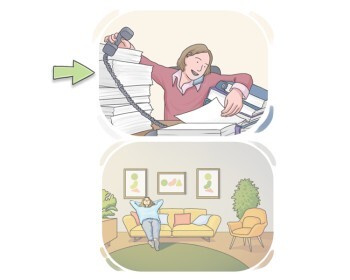
having so many things to do in a way that leaves not much free time

忙しい, 多忙な
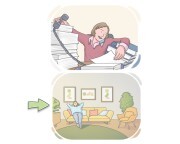
忙しい, 多忙な

Ex: As a small business owner, Mark is always busy with managing orders, inventory, and customer inquiries. 
free
free
[形容詞]

having no particular plans or tasks

自由な, 暇な
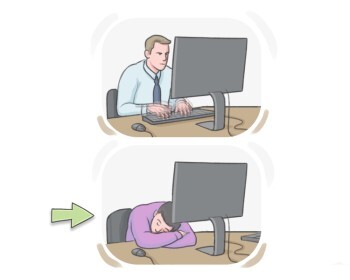
自由な, 暇な

Ex: The empty calendar on her phone signaled a rare opportunity to have a free day with no appointments or obligations. 
lazy
lazy
[形容詞]

avoiding work or activity and preferring to do as little as possible

怠惰な, ものぐさ

怠惰な, ものぐさ

Ex: Her room was always messy because she was too lazy to tidy up after herself. 

彼女の部屋はいつも散らかっていた。なぜなら、彼女は自分で片付けるのがあまりにも面倒くさがりだったからだ。
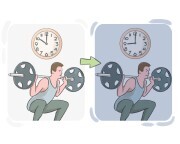
hardworking
hardworking
[形容詞]

(of a person) putting in a lot of effort and dedication to achieve goals or complete tasks

勤勉な, 働き者

勤勉な, 働き者

Ex: She's a hardworking student, consistently dedicating herself to her studies. 

彼女は勤勉な学生で、常に勉強に専念しています。

relaxing
relaxing
[形容詞]

helping our body or mind rest

リラックスさせる, 落ち着かせる

リラックスさせる, 落ち着かせる

Ex: The soothing aroma of lavender essential oil filled the room, creating a relaxing atmosphere. 

ラベンダー精油の心地よい香りが部屋に広がり、リラックスできる雰囲気を作り出しました。
stressful
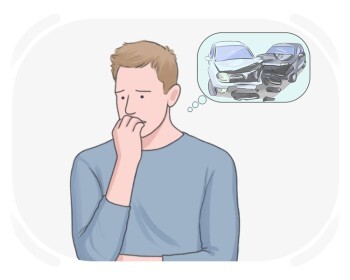
stressful
[形容詞]

causing mental or emotional strain or worry due to pressure or demands

ストレスの多い, 心配させる

ストレスの多い, 心配させる

Ex: Studying for exams is always stressful for students. 

試験勉強は学生にとって常にストレスの多いものです。

dumb
dumb
[形容詞]

lacking intelligence or the ability to think clearly

愚かな, 馬鹿な

愚かな, 馬鹿な

Ex: He's dumb for thinking he could get away with cheating on the test. 

彼はテストでカンニングをして逃げ切れると思っているなんて馬鹿だ。

comfortable
comfortable
[形容詞]

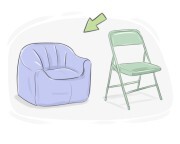
(of an object) making you feel relaxed because of it is warm or soft and does not hurt the body

快適な, 心地よい

快適な, 心地よい

Ex: The bed was made with soft, comfortable sheets that ensured a good night's sleep. 

ベッドは柔らかく快適なシーツで作られており、ぐっすり眠れることを保証しました。
uncomfortable
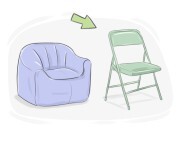
uncomfortable
[形容詞]

(of clothes, furniture, etc.) unpleasant to use or wear

不快な

不快な

Ex: The tight jeans were uncomfortable to wear for long periods. 

タイトなジーンズは長時間履くのに不快だった。

direct
direct
[形容詞]

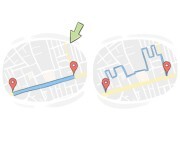
going from one place to another in a straight line without stopping or changing direction

直接の, 止まらずに
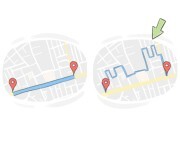
直接の, 止まらずに

Ex: The direct route to the airport takes approximately twenty minutes by car. 
indirect
indirect
[形容詞]

not going in a straight line or the shortest way

間接的な, 回りくどい

間接的な, 回りくどい

Ex: Taking the scenic route was enjoyable but more indirect than the highway. 

景色の良いルートを取るのは楽しかったが、高速道路よりもより遠回りだった。

special
special
[形容詞]

different or better than what is normal

特別, 特殊
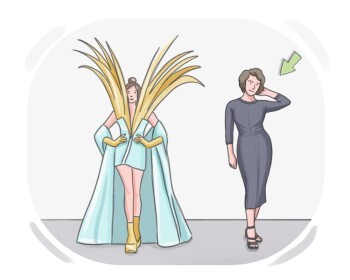
特別, 特殊

Ex: They decorated the room with balloons to make it look special. 
ordinary
ordinary
[形容詞]

not unusual or different in any way

普通の, 平凡な

普通の, 平凡な

Ex: His taste in clothing was ordinary, preferring simple and casual attire. 
famous
famous
[形容詞]

known by a lot of people

有名な, 著名な

有名な, 著名な

Ex: The famous singer performed to a sold-out crowd at the arena. 

有名な歌手は、アリーナで完売した観衆の前で演奏しました。

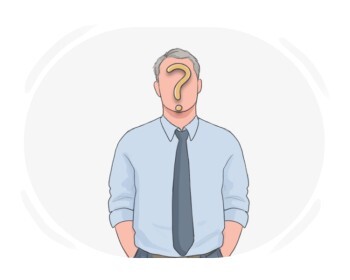
unknown
unknown
[形容詞]

(of a person) not known by many people

未知の, 無名の
未知の, 無名の

Ex: The band played in small venues for years, struggling to gain recognition and remain relatively unknown in the music industry. 
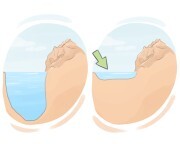
deep
deep
[形容詞]

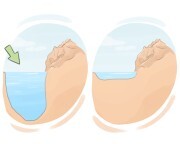
having a great distance from the surface to the bottom

深い

深い

Ex: How deep is the lake at its deepest point? 
shallow
shallow
[形容詞]

having only a short distance from the surface, edge, or opening to the bottom or innermost part

Ex: The children played in the shallow water near the shore. 
LanGeek
LanGeekアプリをダウンロード