A2 Level Wordlist - Essential Opposite Adjectives

Here you will learn some essential English adjectives and their opposites, such as "full and empty", "simple and hard", prepared for A2 learners.

review-disable

review

flashcard-disable

flashcard

spelling-disable

spelling

quiz-disable

quiz

start-learning
A2 Level Wordlist
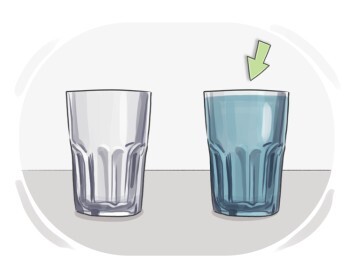
full [adjective]

having no space left

Ex: The parking lot was full , forcing us to find parking on a nearby street .
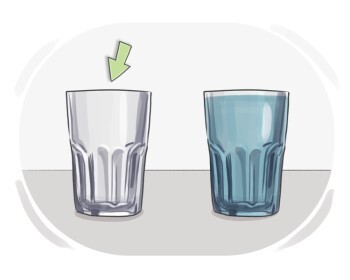
empty [adjective]

with no one or nothing inside

Ex: She opened the empty refrigerator , realizing she needed to go grocery shopping .
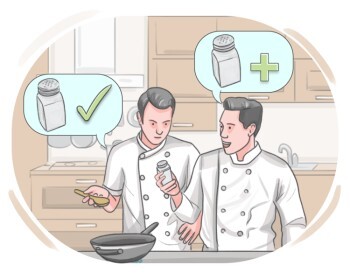
necessary [adjective]

needed to be done for a particular reason or purpose
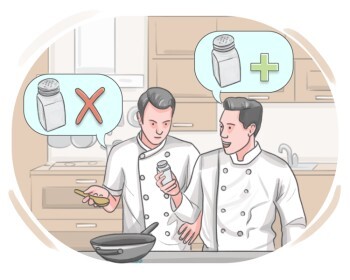
Ex: Proper hydration is necessary for maintaining good health .
unnecessary [adjective]

not needed at all or more than what is required
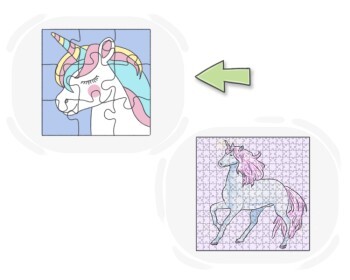
Ex: The additional security measures seemed unnecessary given the low risk of a security breach .
simple [adjective]

not involving difficulty in doing or understanding

Ex: The task was simple to complete ; it did n't require any specialized skills .
hard [adjective]

needing a lot of skill or effort to do
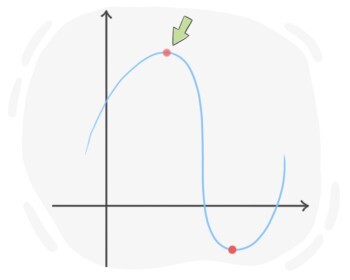
Ex: Mastering a new language can be hard , especially if it has a complex grammar and vocabulary .
maximum [adjective]

indicating the greatest or highest possible amount, quantity, or degree
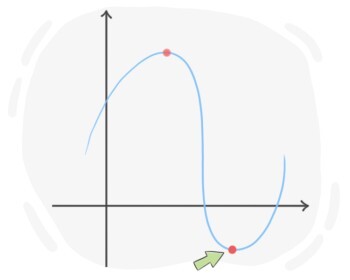
Ex: The company sets a maximum limit on the number of vacation days employees can take each year .
minimum [adjective]

having the least or smallest amount possible
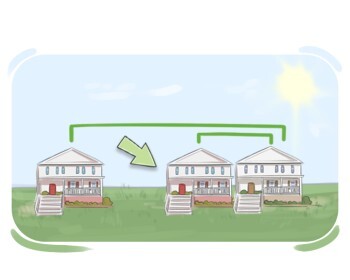
Ex: The minimum age for purchasing alcohol is 21 in many countries .
near [adjective]

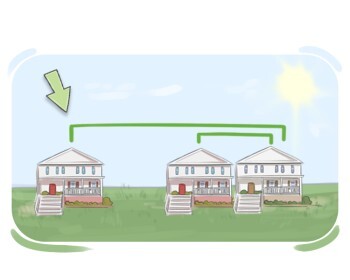
not far from a place

Ex: The near side of the riverbank offers a beautiful view of the sunset .
far [adjective]

situated at a considerable distance in space
Ex: The spacecraft traveled to a far corner of the solar system .
common [adjective]

regular and without any exceptional features
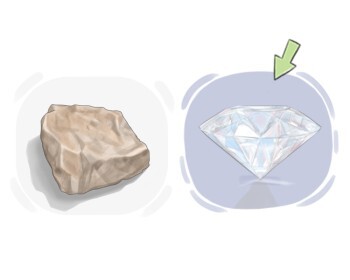
Ex: The restaurant offered common dishes like pasta and salad .
uncommon [adjective]

not happening or found often

Ex: Severe weather like hurricanes is uncommon in the northern part of the country .
busy [adjective]

having so many things to do in a way that leaves not much free time

Ex: In the bustling city , people are constantly busy with work , errands , and social commitments .
free [adjective]

having no particular plans or tasks

Ex: The weekend was finally here , and they had two whole days free to explore the city .
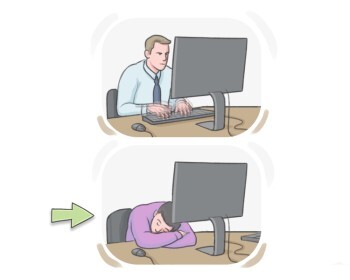
lazy [adjective]

avoiding work or activity and preferring to do as little as possible
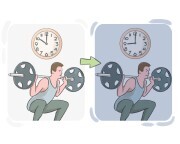
Ex: Rather than cooking a meal , he opted for takeout because he was feeling too lazy to cook .
hardworking [adjective]

(of a person) putting in a lot of effort and dedication to achieve goals or complete tasks

Ex:
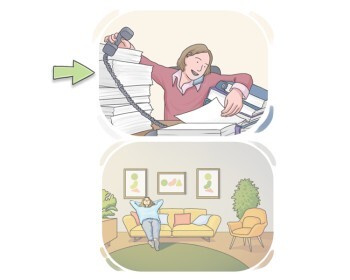
relaxing [adjective]

helping our body or mind rest

Ex:
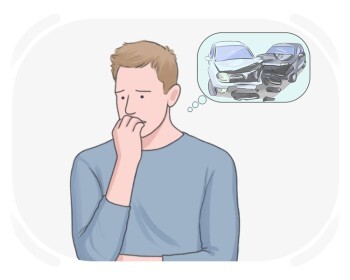
stressful [adjective]

causing mental or emotional strain or worry due to pressure or demands
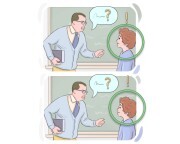
Ex: Moving to a new city can be stressful , especially when you do n't know anyone .
dumb [adjective]

struggling to learn or understand things quickly

Ex: The dumb student found it challenging to keep up with the pace of the class .
comfortable [adjective]

(of an object) making you feel relaxed because of it is warm or soft and does not hurt the body
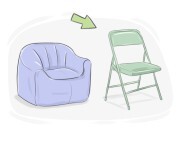
Ex: She prefers wearing comfortable sneakers when walking long distances .
uncomfortable [adjective]

(of clothes, furniture, etc.) unpleasant to use or wear
Ex: The scratchy fabric of the sweater made it uncomfortable against her skin .
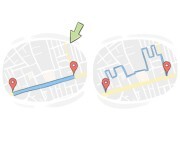
direct [adjective]

going from one place to another in a straight line without stopping or changing direction
Ex: The river flows in a direct course from the mountains to the sea .
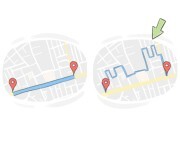
indirect [adjective]

not going in a straight line or the shortest way

Ex: The GPS recommended an indirect route to avoid heavy traffic on the main highway .
special [adjective]

different or better than what is normal
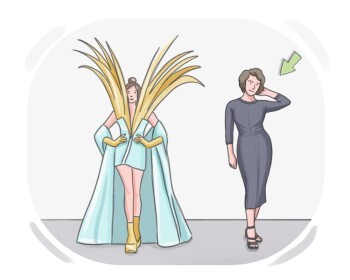
Ex: Their special relationship blossomed into a deep and meaningful friendship over the years .
ordinary [adjective]

not unusual or different in any way

Ex: The neighborhood park was ordinary , with standard playground equipment and benches .
famous [adjective]

known by a lot of people

Ex: Tourists flock to the city to visit famous landmarks such as the Eiffel Tower .
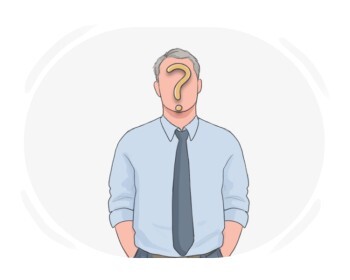
unknown [adjective]

(of a person) not known by many people
Ex: The unknown artist 's work was displayed in a small , local gallery .
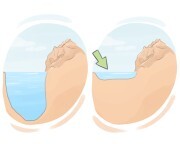
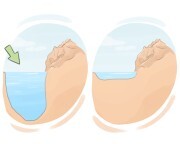
deep [adjective]

having a great distance from the surface to the bottom

Ex: The hole they dug in the garden was deep enough to plant the tree securely .
shallow [adjective]

having a short distance from the surface to the bottom

Ex: The dish should be baked in a shallow pan to ensure even cooking .