

pattern

A2 수준 단어 목록 - 필수 반대 형용사

여기에서는 "가득 찬과 비어 있는", "간단한과 어려운"과 같은 A2 학습자를 위해 준비된 몇 가지 필수 영어 형용사와 그 반대말을 배우게 됩니다.

리뷰

플래시카드

철자법

퀴즈

학습 시작
CEFR A2 Vocabulary
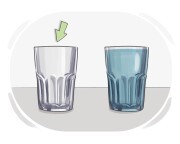
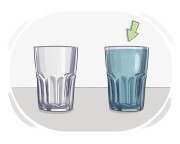
full
full
[형용사]

having no space left

가득 찬, 꽉 찬

가득 찬, 꽉 찬

Ex: The restaurant was full, so we had to wait for a table to become available. 
닫기
로그인
empty
empty
[형용사]

with no one or nothing inside

비어 있는, 텅 빈

비어 있는, 텅 빈

Ex: The empty room echoed with every step, its walls bare and devoid of furniture. 
닫기
로그인
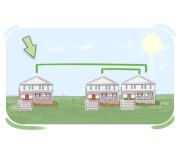
necessary
necessary
[형용사]

needed to be done for a particular reason or purpose

필요한, 필수적인

필요한, 필수적인

Ex: It is necessary to study for exams to achieve good grades. 
닫기
로그인
unnecessary
unnecessary
[형용사]

not needed at all or more than what is required

불필요한, 과도한

불필요한, 과도한

Ex: His comments during the meeting were unnecessary and only served to prolong the discussion. 
닫기
로그인
simple
simple
[형용사]

not involving difficulty in doing or understanding

간단한, 쉬운

간단한, 쉬운

Ex: The recipe was simple, requiring only a few ingredients and basic cooking techniques. 
닫기
로그인
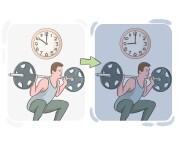
hard
hard
[형용사]

needing a lot of skill or effort to do

어려운, 힘든

어려운, 힘든

Ex: Learning to play the piano at a professional level is hard and requires years of practice. 
닫기
로그인
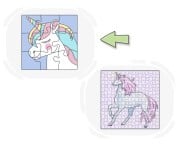
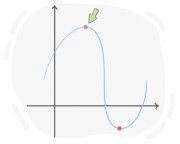
maximum
maximum
[형용사]

indicating the greatest or highest possible amount, quantity, or degree

최대의, 최고의

최대의, 최고의

Ex: The maximum capacity of the venue is 500 people. 
닫기
로그인
minimum
minimum
[형용사]

having the least or smallest amount possible

최소의, 최저의

최소의, 최저의

Ex: The minimum requirement for admission to the program is a bachelor's degree. 
닫기
로그인
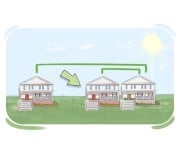
near
near
[형용사]

not far from a place

가까운, 인접한

가까운, 인접한

Ex: The near bus stop is convenient for commuting to work. 
닫기
로그인
far
far
[형용사]

situated at a considerable distance in space

먼,  멀리 떨어진

먼, 멀리 떨어진

Ex: The village lay on the far side of the river, barely visible through the mist. 
닫기
로그인
common
common
[형용사]

regular and without any exceptional features

흔한, 일반적인

흔한, 일반적인

Ex: The meeting was filled with common tasks and discussions. 
닫기
로그인
uncommon
uncommon
[형용사]

not happening or found often

흔하지 않은, 드문

흔하지 않은, 드문

Ex: Seeing a shooting star in the city is uncommon due to light pollution. 
닫기
로그인
busy
busy
[형용사]

having so many things to do in a way that leaves not much free time

바쁜, 분주한

바쁜, 분주한

Ex: As a student, Jenny is always busy with assignments, exams, and extracurricular activities. 
닫기
로그인
free
free
[형용사]

having no particular plans or tasks

자유로운, 한가한

자유로운, 한가한

Ex: She enjoyed a free afternoon, allowing her to relax and read a book in the park. 
닫기
로그인
lazy
lazy
[형용사]

avoiding work or activity and preferring to do as little as possible

게으른, 나태한

게으른, 나태한

Ex: Her room was always messy because she was too lazy to tidy up after herself. 
닫기
로그인
hardworking
hardworking
[형용사]

(of a person) putting in a lot of effort and dedication to achieve goals or complete tasks

근면한, 성실한

근면한, 성실한

Ex: She's a hardworking student, consistently dedicating herself to her studies. 
닫기
로그인
relaxing
relaxing
[형용사]

helping our body or mind rest

편안한, 휴식을 주는

편안한, 휴식을 주는

Ex: Spending the afternoon by the peaceful lake was relaxing, allowing her to unwind and recharge. 
닫기
로그인
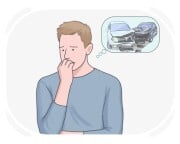
stressful
stressful
[형용사]

causing mental or emotional strain or worry due to pressure or demands

스트레스가 많은, 걱정스러운

스트레스가 많은, 걱정스러운

Ex: The workload at her new job was incredibly stressful. 
닫기
로그인
dumb
dumb
[형용사]

lacking intelligence or the ability to think clearly

어리석은, 멍청한

어리석은, 멍청한

Ex: He's dumb for thinking he could get away with cheating on the test. 
닫기
로그인
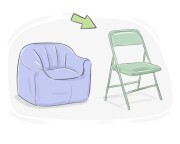
comfortable
comfortable
[형용사]

(of an object) making you feel relaxed because of it is warm or soft and does not hurt the body

편안한, 쾌적한

편안한, 쾌적한

Ex: After a long day, I like to change into comfortable pajamas. 
닫기
로그인
uncomfortable
uncomfortable
[형용사]

(of clothes, furniture, etc.) unpleasant to use or wear

불편한

불편한

Ex: The tight jeans were uncomfortable to wear for long periods. 
닫기
로그인
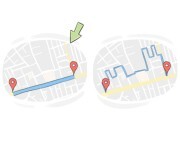
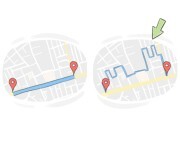
direct
direct
[형용사]

going from one place to another in a straight line without stopping or changing direction

직접적인, 멈추지 않는

직접적인, 멈추지 않는

Ex: The direct route to the airport takes approximately twenty minutes by car. 
닫기
로그인
indirect
indirect
[형용사]

not going in a straight line or the shortest way

간접적인, 우회하는

간접적인, 우회하는

Ex: Taking the scenic route was enjoyable but more indirect than the highway. 
닫기
로그인
special
special
[형용사]

different or better than what is normal

특별한, 특수한

특별한, 특수한

Ex: That song holds a special place in her heart. 
닫기
로그인
ordinary
ordinary
[형용사]

not unusual or different in any way

평범한, 일반적인

평범한, 일반적인

Ex: His weekend routine was ordinary, consisting of household chores and relaxing at home. 
닫기
로그인
famous
famous
[형용사]

known by a lot of people

유명한, 저명한

유명한, 저명한

Ex: The famous singer performed to a sold-out crowd at the arena. 
닫기
로그인
unknown
unknown
[형용사]

(of a person) not known by many people

알려지지 않은, 무명의

알려지지 않은, 무명의

Ex: The band played in small venues for years, struggling to gain recognition and remain relatively unknown in the music industry. 
닫기
로그인
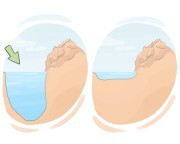
deep
deep
[형용사]

having a great distance from the surface to the bottom

깊은

깊은

Ex: The ocean is incredibly deep, with some parts reaching depths of over 36,000 feet. 
닫기
로그인
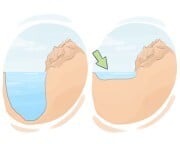
shallow
shallow
[형용사]

having a short distance from the surface to the bottom

얕은, 피상적인

얕은, 피상적인

Ex: Be careful when diving into the shallow end of the pool to avoid hitting your head. 
닫기
로그인
LanGeek
LanGeek 앱 다운로드