pattern

SAT 語彙スキル 1 - レッスン32

復習

フラッシュカード

綴り

クイズ

学習を開始
SAT Word Skills 1
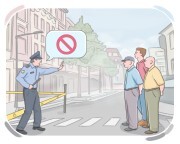
to repeal
to repeal
[動詞]

to officially cancel a law, regulation, or policy, making it no longer valid or in effect

廃止する,撤回する

廃止する,撤回する

Ex: The government decided to repeal the outdated tax law to streamline the tax code. 

政府は税制を合理化するために時代遅れの税法を廃止することを決めた。

to repel
to repel
[動詞]

to successfully resist an attacker or opposing force and drive them away

Ex: The soldiers repelled the enemy's attack on the military base. 
repentance
repentance
[名詞]

a feeling of remorse or regret for past wrongs

後悔,悔い改め

後悔,悔い改め

Ex: Even in his final hours, the old man expressed no repentance for his past actions. 

最期の時間でさえ、その老人は過去の行動に対して後悔の念を表さなかった。

repentant
repentant
[形容詞]

feeling regret or guilt for one's wrongdoing or sin

後悔している,悔い改めた

後悔している,悔い改めた

Ex: He sent a repentant message, hoping to mend the broken friendship. 

彼は後悔の念を込めたメッセージを送り、壊れた友情を修復しようとした。

to arrange
to arrange
[動詞]

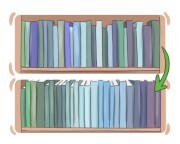
to put things in a particular order or position, often to make them look neat or attractive

Ex: She arranged the books by subject on the shelf. 
arrangement
arrangement
[名詞]

a mutual understanding or agreement established between people

取り決め,合意

取り決め,合意

Ex: She reached an arrangement with her coworker to split the tasks. 

彼女は同僚とタスクを分担するための取り決めに達した。

heterodox
heterodox
[形容詞]

diverging from established norms

異端の,非慣習的な

異端の,非慣習的な

Ex: Religious reformers often face condemnation for their heterodox views that challenge traditional dogma. 

宗教改革者は、伝統的な教義に挑戦する異端的な見解のためにしばしば非難に直面する。

heterodoxy
heterodoxy
[名詞]

the practice of holding and expressing beliefs that differ from established or conventional norms

異端,異説

異端,異説

Ex: The cultural festival celebrated the heterodoxy of various traditions, challenging mainstream narratives. 

文化祭は、さまざまな伝統の異端を祝い、主流の物語に挑戦しました。

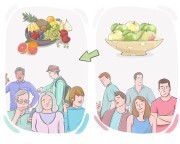
heterogeneity

the quality of being varied or diverse in elements or parts

異質性

異質性

Ex: The gallery was renowned for the heterogeneity of its exhibits, ranging from contemporary sculptures to classical paintings. 

そのギャラリーは、現代彫刻から古典絵画まで、展示物の多様性で有名でした。

heterogeneous
heterogeneous
[形容詞]

composed of a wide range of different things or people

異質な

異質な

Ex: The city's population was heterogeneous, comprising people from various cultural backgrounds. 

その都市の人口は多様で、さまざまな文化的背景を持つ人々で構成されていました。

to suppress
to suppress
[動詞]

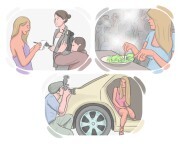
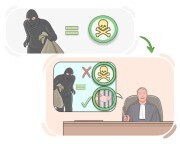
to forcibly put an end to a protest, rebellion, or other organized activity

Ex: The government used troops to suppress the uprising. 
suppression
suppression
[名詞]

the act of preventing the publication or distribution of written material, often due to its content

抑圧, 検閲

抑圧, 検閲

Ex: The author moved to a different country to avoid the suppression of her upcoming book. 

著者は、彼女の今後の本の抑圧を避けるために別の国に移りました。

to importune
to importune
[動詞]

to request something in an annoyingly persistent way

しつこく頼む,煩わせる

しつこく頼む,煩わせる

Ex: Fans would often importune the celebrity for autographs, even during her private outings. 

ファンは、彼女のプライベートな外出中でさえ、サインを求めてしばしばセレブにしつこく迫った。

importunate
importunate
[形容詞]

characterized by persistent and pressing demands or pleas

しつこい,執拗な

しつこい,執拗な

Ex: The team faced importunate demands from the client, who insisted on frequent updates. 

チームは、頻繁な更新を求めるクライアントからのしつこい要求に直面しました。

obsolescence
obsolescence
[名詞]

the process of becoming no longer used or no longer effective

陳腐化,時代遅れ

陳腐化,時代遅れ

Ex: The rapid pace of innovation has accelerated the obsolescence of older smartphones. 

革新の急速なペースは、古いスマートフォンの陳腐化を加速させた。

obsolete
obsolete
[形容詞]

outdated and gone out of style, often replaced by more current trends or advancements

時代遅れの,廃れた

時代遅れの,廃れた

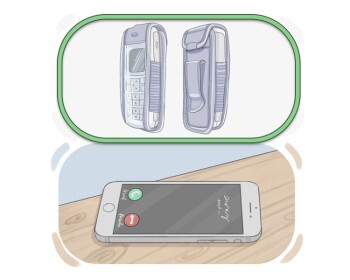
Ex: The flip phone has become obsolete in an era dominated by smartphones. 

スマートフォンが支配的な時代において、折りたたみ電話は時代遅れになりました。

LanGeek
LanGeekアプリをダウンロード