pattern

本 Solutions - 中級 - ユニット1 - 1E

ここでは、Solutions Intermediateコースブックのユニット1 - 1Eからの語彙を見つけることができます。例えば、「fit in with」、「turn into」、「get up to」などです。

レビュー

フラッシュカード

語形

綴り

クイズ

学習を開始
Solutions - Intermediate
to run out
to run out
[動詞]

to use the available supply of something, leaving too little or none

尽きる, なくなる

尽きる, なくなる

Ex: The restaurant unexpectedly ran out of the popular dish. 

レストランは予期せず人気料理を売り切れました。

to look up
to look up
[動詞]

to try to find information in a dictionary, computer, etc.

調べる, 辞書などで引く

調べる, 辞書などで引く

Ex: I couldn't remember her phone number, so I looked it up. 

彼女の電話番号を覚えていなかったので、調べました。

to look up to

to have a great deal of respect, admiration, or esteem for someone

尊敬する, 憧れる

尊敬する, 憧れる

Ex: She has always looked up to her older brother for his wisdom. 

彼女はいつも兄の知恵を尊敬してきました。

to get away
to get away
[動詞]

to escape from someone or somewhere

人や場所から逃げる, 逃げ出してその場を離れる

人や場所から逃げる, 逃げ出してその場を離れる

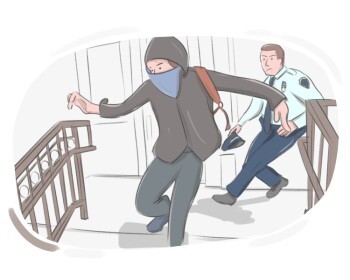
Ex: The thief tried to get away, but the police quickly caught him. 

泥棒は逃げようとしたが、警察はすぐに彼を捕まえた。

to get away with

to escape punishment for one's wrong actions

悪いことをしても罰を免れる, 悪事をしても処罰されない

悪いことをしても罰を免れる, 悪事をしても処罰されない

Ex: Some white-collar criminals try to get away with embezzling money from their companies. 

一部のホワイトカラー犯罪者は、会社から金を横領して罰を逃れようとします。

to make up
to make up
[動詞]

to create a false or fictional story or information

でっち上げる, 捏造する

でっち上げる, 捏造する

Ex: The gossip columnist made rumors up about the celebrities. 

ゴシップコラムニストは有名人についての噂をでっち上げた。

to make up for

to do something in order to replace something lost or fix something damaged

埋め合わせる, 取り返す

埋め合わせる, 取り返す

Ex: He bought her flowers to make up for forgetting her birthday. 

彼は彼女の誕生日を忘れた埋め合わせに花を買った。

to get up
to get up
[動詞]

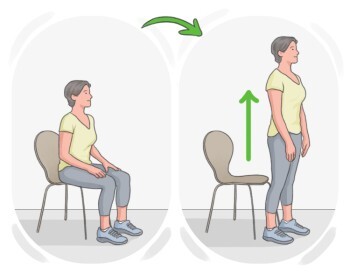
to get on our feet and stand up

立ち上がる, 起き上がる

立ち上がる, 起き上がる

Ex: After a long flight, it felt good to get up and stretch my legs. 

長いフライトの後、立ち上がって足を伸ばすのは気持ちよかった。

to get up to
to get up to
[動詞]

to be involved in an activity, often something surprising or unpleasant

何かをやらかす, 何かに手を出す

何かをやらかす, 何かに手を出す

Ex: We used to get up to all sorts of mischief as children. 

子供の頃、私たちはあらゆる種類のいたずらをしでかしたものです。

to go in
to go in
[動詞]

to enter a place, building, or location

中に入る, 建物や場所の中に入る

中に入る, 建物や場所の中に入る

Ex: The theater doors will open soon, so you can go in and find your seats. 

劇場のドアはまもなく開きますので、入って席を見つけてください。

to go back
to go back
[動詞]

to return to a previous location, position, or state

戻る, 帰る

戻る, 帰る

Ex: He was demoted at work due to a mistake but worked hard to go back to his previous job title. 

彼はミスのため仕事で降格したが、以前の職位に戻るために一生懸命働いた。

to [go] back on a (promise|deal|pledge)

to fail to keep or fulfill a commitment or assurance made to someone
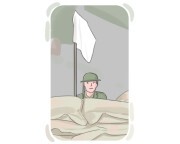
Ex: After months of negotiations, they agreed on a fair price, but he decided to go back on the deal at the last minute. 
to give up
to give up
[動詞]

to stop trying when faced with failures or difficulties

諦める, 努力をやめる

諦める, 努力をやめる

Ex: He refused to give up even when the odds were stacked against him. 

彼は、不利な状況でも諦めることを拒んだ。

to turn into
to turn into
[動詞]

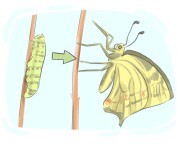
to change and become something else

変わる, なる

変わる, なる

Ex: The caterpillar turned into a beautiful butterfly. 

毛虫は美しい蝶に変わりました。

to set off
to set off
[動詞]

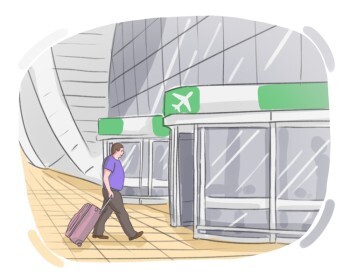
to start a journey

出発する, 旅を始める

出発する, 旅を始める

Ex: We'll set off on our cross-country journey early in the morning to avoid traffic. 

交通を避けるために、早朝に私たちのクロスカントリーの旅に出発します。

to blow up
to blow up
[動詞]

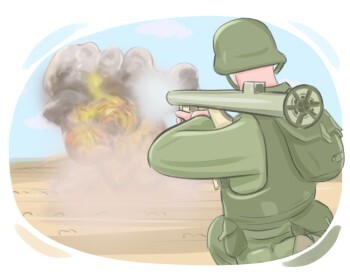
to cause something to explode

爆破する, 吹き飛ばす

爆破する, 吹き飛ばす

Ex: The dynamite was used to blow the tunnel entrance up. 

トンネルの入り口を爆破するためにダイナマイトが使われた。

to pass out
to pass out
[動詞]

to lose consciousness

気を失う, 意識を失う

気を失う, 意識を失う

Ex: He passed out from exhaustion after the marathon. 

彼はマラソンの後、疲労で気を失った。

to take up
to take up
[動詞]

to make a new interest or hobby a regular part of one's life

始める, 新しい趣味を始める

始める, 新しい趣味を始める

Ex: I'll take up gardening in the spring. 

春にガーデニングを始めます。

to bring up
to bring up
[動詞]

to look after a child until they reach maturity

育てる, 養育する

育てる, 養育する

Ex: The grandparents played a significant role in bringing up their grandchildren. 

祖父母は孫の育成において重要な役割を果たしました。

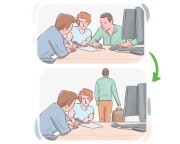
to live up to

to fulfill expectations or standards set by oneself or others

期待に応える, 評判に恥じない
期待に応える, 評判に恥じない

Ex: The product claimed to be revolutionary, and it surprisingly lived up to the promises made in the advertisement. 
to walk out
to walk out
[動詞]

to leave suddenly, especially to show discontent

抗議して退席する, 不満から突然退出する

抗議して退席する, 不満から突然退出する

Ex: Feeling unheard, he walked out of the discussion abruptly. 

聞いてもらえないと感じ、彼は突然議論から立ち去った。

to get on
to get on
[動詞]

to have a good, friendly, or smooth relationship with a person, group, or animal

人とうまくやっていく, 人や集団や動物と良好な関係を保つ

人とうまくやっていく, 人や集団や動物と良好な関係を保つ

Ex: She gets on well with her coworkers, and they often socialize outside of work. 

彼女は同僚とうまくやっていて、仕事の外でもよく交流しています。

to sign up
to sign up
[動詞]

to formally register for a specific group, event, or undertaking

登録する, サインアップする

登録する, サインアップする

Ex: The employees collectively signed up for the wellness program offered by the company. 

従業員は、会社が提供するウェルネスプログラムに共同で登録しました。

to catch up
to catch up
[動詞]

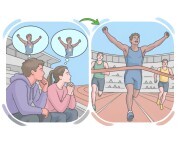
to reach the same level or status as someone or something else, especially after falling behind

追いつく, 取り戻す

追いつく, 取り戻す

Ex: The company struggled to catch up with the rapidly evolving market trends. 

その会社は急速に進化する市場のトレンドに追いつくのに苦労した。

to go through with

to complete a planned or promised action, even if it is difficult or undesirable

やり遂げる, 実行する

やり遂げる, 実行する

Ex: She didn't want to go through with the presentation, but she did it anyway. 

彼女はプレゼンテーションをやり通すつもりはなかったが、それでもやってしまった。
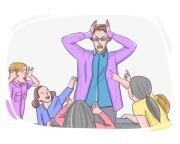
to put up with

to tolerate something or someone unpleasant, often without complaining

我慢する, 耐える

我慢する, 耐える

Ex: Parents often put up with the messiness of young children for the joy they bring. 

親は、子供たちがもたらす喜びのために、幼い子供の散らかりをよく我慢します。

to fit in
to fit in
[動詞]

to be socially fit for or belong within a particular group or environment

周囲になじむ, 社会的にその環境になじむ

周囲になじむ, 社会的にその環境になじむ

Ex: Moving to a new school can be challenging, but she quickly found a way to fit in with her classmates. 

新しい学校に引っ越すのは大変かもしれませんが、彼女はすぐにクラスメートと打ち解ける方法を見つけました。

to [go] back on {one's} word

to fail to keep a promise or commitment that was previously made

Ex: He had promised to help me with the project, but he ended up going back on his word. 
LanGeek
LanGeekアプリをダウンロード