
pattern

SAT 語彙スキル 4 - レッスン8

レビュー

フラッシュカード

語形

綴り

クイズ

学習を開始
SAT Word Skills 4
to probe
to probe
[動詞]

to examine or search an area physically by inserting or using a long, narrow instrument

探る,  調査する

探る, 調査する

Ex: The doctor gently probed the wound for signs of deeper damage. 
probate
probate
[名詞]

a process in which the validity of a will is legally proved

遺言検認, 遺言の有効性を法的に証明するプロセス

遺言検認, 遺言の有効性を法的に証明するプロセス

Ex: The family hired a lawyer to guide them through the probate of their grandfather's will. 

家族は祖父の遺言の検認手続きを案内するために弁護士を雇った。

probity
probity
[名詞]

the quality of abiding by the highest moral principles

高潔, 誠実

高潔, 誠実

Ex: The judge was known for her unwavering probity and fairness. 

その裁判官は揺るぎない高潔さと公平さで知られていた。

to augment
to augment
[動詞]

to add to something's value, effect, size, or amount

増やす, 拡大する

増やす, 拡大する

Ex: She augments her income by taking on freelance projects. 

彼女はフリーランスのプロジェクトを引き受けて収入を増やしています。

august
august
[形容詞]

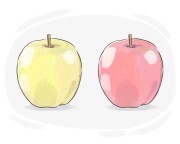
impressive and worthy of respect

威厳のある, 堂々とした
威厳のある, 堂々とした

Ex: Standing before the august figure of the judge, the defendant spoke with humility. 
similitude
similitude
[名詞]

resemblance between people or things

類似, 相似

類似, 相似

Ex: The similitude between the twins was so strong that even their close friends often confused them. 

双子の間の類似性は非常に強く、親しい友人でさえもよく混同していた。

to simulate
to simulate
[動詞]

to match the same qualities as someone or something

シミュレートする, 模倣する

シミュレートする, 模倣する

Ex: The medical students practiced on a mannequin that simulates human responses during surgery. 

医学生たちは、手術中の人間の反応をシミュレートするマネキンで練習しました。

simile
simile
[名詞]

a word or phrase that compares two things or people, highlighting the similarities, often introduced by 'like' or 'as'

直喩, 比喩

直喩, 比喩

Ex: The poet used a simile to compare the clouds to cotton candy, painting a vivid picture of their fluffy, ethereal appearance. 

詩人は直喩を使って雲を綿菓子に例え、そのふわふわとした、幽玄な外観を鮮やかに描きました。
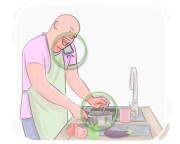
simultaneous
simultaneous
[形容詞]

taking place at precisely the same time

同時の, 同期した

同時の, 同期した

Ex: The two teams scored simultaneous goals, resulting in a tie game. 

両チームが同時にゴールを決め、試合は引き分けに終わった。

to discombobulate

to confuse someone, causing them to feel disoriented or unable to think clearly

混乱させる, 当惑させる

混乱させる, 当惑させる

Ex: The intricate maze of corridors in the old mansion discombobulated the visitors, leaving them unsure of which way to go. 

古い邸宅の複雑な廊下の迷路は訪問者を混乱させ、どちらへ進むべきか分からなくさせた。

to disconcert

to unsettle someone, causing them to become stressed or lose their confidence

当惑させる, 不安にさせる

当惑させる, 不安にさせる

Ex: The sudden change in plans disconcerted the entire team, who had prepared for the original schedule. 

計画の突然の変更は、元のスケジュールに備えていたチーム全体を当惑させた。

disconsolate
disconsolate
[形容詞]

so sad that makes comforting very difficult

慰められない, 非常に悲しい

慰められない, 非常に悲しい

Ex: After hearing the news of her best friend’s departure, she felt disconsolate and unable to speak. 

親友の出発の知らせを聞いた後、彼女は慰めようのないほど悲しみ、話すことができなかった。

discontinuance

the act of stopping something

中止, 停止

中止, 停止

Ex: His sudden discontinuance of the project caught everyone by surprise, especially his team. 

彼のプロジェクトの突然の中止は、特に彼のチームを驚かせた。

discreet
discreet
[形容詞]

careful and modest in behavior, showing wise self-restraint and avoiding unnecessary attention

慎重な, 控えめな

慎重な, 控えめな

Ex: The politician maintained a discreet profile, preferring to let their actions speak louder than words. 

その政治家は控えめなプロフィールを維持し、言葉よりも行動で語ることを好んだ。

discrepant
discrepant
[形容詞]

having no agreement with something

不一致の, 相容れない

不一致の, 相容れない

Ex: The discrepant data from the two experiments led to confusion about the results. 

2つの実験からの不一致なデータは、結果についての混乱を招いた。

asunder
asunder
[副詞]

into separate pieces

ばらばらに, 粉々に

ばらばらに, 粉々に

Ex: The explosion tore the building asunder, scattering debris everywhere. 

爆発は建物をバラバラに引き裂き、がれきをあちこちに散らばせた。

astute
astute
[形容詞]

having a clever and practical ability to make wise and effective decisions

鋭い, 聡明な

鋭い, 聡明な

Ex: Having an astute understanding of business, she made shrewd investment decisions. 

ビジネスに対する鋭い理解を持っていたため、彼女は賢明な投資判断を下しました。

to assuage
to assuage
[動詞]

to satisfy the feeling of thirst or hunger

癒す, 満たす

癒す, 満たす

Ex: The cold water helped to assuage his thirst after the long hike. 

冷たい水は、長いハイキングの後の彼の喉の渇きを和らげるのに役立った。

LanGeek
LanGeekアプリをダウンロード