pattern

本 Total English - 中上級 - ユニット4 - 参照

ここでは、Total English Upper-Intermediate教科書のユニット4 - リファレンスからの語彙が見つかります。例えば「態度」、「辞任する」、「キャリア」など。

レビュー

フラッシュカード

語形

綴り

クイズ

学習を開始
Total English - Upper-intermediate
journalist
journalist
[名詞]

someone who prepares news to be broadcast or writes for newspapers, magazines, or news websites

ジャーナリスト
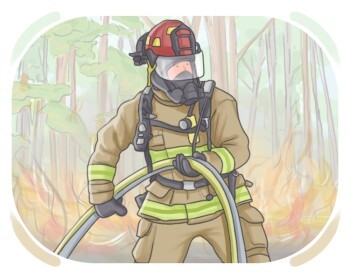
ジャーナリスト

Ex: The journalist interviewed the prime minister yesterday. 
firefighter
firefighter
[名詞]

someone whose job is to put out fires and save people or animals from dangerous situations

消防士, レスキュー隊員

消防士, レスキュー隊員

Ex: The firefighter bravely entered the burning building to rescue trapped occupants. 

消防士は勇敢にも燃えている建物に入り、閉じ込められた人々を救出しました。

social worker

someone who is employed to give advice to or provide help for those with family or financial problems

ソーシャルワーカー, 社会福祉士

ソーシャルワーカー, 社会福祉士

Ex: The social worker assisted families in need. 

ソーシャルワーカーは、困っている家族を支援しました。

nursery
nursery
[名詞]

a room in a home prepared for a baby or young child to sleep and play in

子供部屋,  ベビールーム
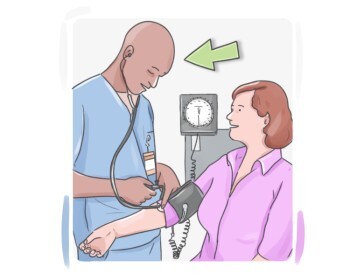
子供部屋, ベビールーム

Ex: Emma painted the nursery before the baby was born. 
nurse
nurse
[名詞]

someone who has been trained to care for injured or sick people, particularly in a hospital

看護師, 男性看護師
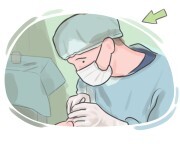
看護師, 男性看護師

Ex: Nurses play an important role in providing healthcare and assisting doctors in treating patients. 
surgeon
surgeon
[名詞]

a doctor who is specially trained to perform medical operations

外科医,  執刀医
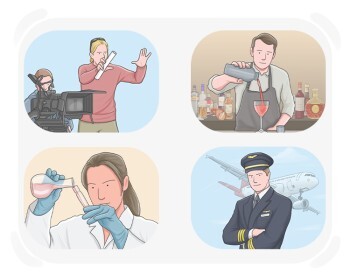
外科医, 執刀医

Ex: The surgeon explained the operation to Emma before the procedure. 
career
career
[名詞]

a profession or a series of professions that one can do for a long period of one's life

キャリア, 職業

キャリア, 職業

Ex: Nursing offers a rewarding career helping others in need. 
labor of love

a task that is done only for the sake of one's pleasure and not for any rewards of any kind

愛情を込めた仕事, 好きでやる仕事

愛情を込めた仕事, 好きでやる仕事

Ex: Restoring the old house was a labor of love. 

古い家の修復は愛情を込めた仕事だった。

satisfaction
satisfaction
[名詞]

a pleasant feeling that comes from achieving something or getting what one wanted

満足,  充足感

満足, 充足感

Ex: Emma felt great satisfaction after completing the difficult project. 
listener
listener
[名詞]

a person who listens attentively to others, often with the intention of understanding or empathizing with their perspective

リスナー, 聞き手
リスナー, 聞き手

attitude
attitude
[名詞]

the typical way a person thinks or feels about something or someone, often affecting their behavior and decisions

態度,  考え方

態度, 考え方

Ex: Negative attitudes can limit personal growth and hinder progress in various aspects of life. 
initiative
initiative
[名詞]

the willingness to take action and start new things without being prompted or directed

イニシアチブ, 率先の精神

イニシアチブ, 率先の精神

Ex: He lacked the initiative to pursue his ideas, relying on others to lead. 
to [meet] a [deadline|target]

to complete a task or project before a specific time or date that has been agreed upon or set as a requirement

Ex: She worked late to meet the deadline for the report. 
under pressure

stressful or anxious due to having too many tasks or responsibilities to handle within a limited time
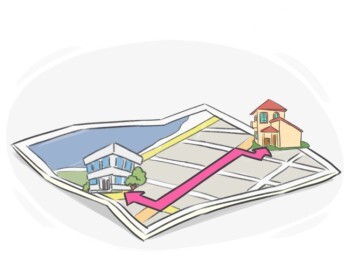
Ex: She was under pressure to finish the project by the end of the week. 
to commute
to commute
[動詞]

to regularly travel to one's place of work and home by different means

通勤する, 定期的に仕事場へ通う

通勤する, 定期的に仕事場へ通う

Ex: The introduction of a company shuttle has made it easier for employees to commute. 

会社のシャトルの導入により、従業員の通勤が楽になりました。

employment
employment
[名詞]

a paid job

雇用

雇用

Ex: She is studying for a degree that promises good employment opportunities. 
flexible
flexible
[形容詞]

capable of adjusting easily to different situations, circumstances, or needs

柔軟な, 適応性のある

柔軟な, 適応性のある

Ex: Her flexible approach to problem-solving made her an excellent team member. 

問題解決に対する彼女の柔軟なアプローチは、彼女を優れたチームメンバーにした。
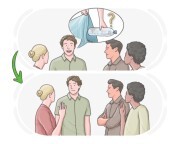
voluntary
voluntary
[形容詞]

working without pay

自発的な, 無報酬の

自発的な, 無報酬の

Ex: The voluntary cleanup crew worked tirelessly to improve the local park. 
to spend
to spend
[動詞]

to pass time in a particular manner or in a certain place

過ごす, 費やす

過ごす, 費やす

Ex: They spent the afternoon hiking in the mountains. 
to [waste] {one's} time

to spend one's time doing things that are useless or unnecessary

Ex: Don’t waste your time arguing with someone who won’t listen. 
to [kill] (the|) time

to spend or use time in a way that does not achieve anything or have a particular goal

Ex: When the meeting was delayed, they killed time by chatting with each other. 
spare
spare
[形容詞]

(of time) available for hobbies and not taken up by activities or tasks

空いた, 利用可能な

空いた, 利用可能な

Ex: They decided to use their spare day to explore the countryside. 
full-time
full-time
[形容詞]

done for the usual hours in a working day or week

フルタイム, 常勤

フルタイム, 常勤

Ex: After her internship, they offered her a full-time position. 

インターンシップの後、彼らは彼女にフルタイムのポジションを提供しました。

to pass
to pass
[動詞]

(of time) to go by

過ぎる

過ぎる

Ex: Minutes passed slowly during the boring lecture. 
to [run] out of time

to reach the point when there is no more time available to complete a task or achieve a goal

Ex: Despite their best efforts, they ran out of time before they could finish the project. 
interested
interested
[形容詞]

having a feeling of curiosity or attention toward a particular thing or person because one likes them

興味がある, 好奇心旺盛な

興味がある, 好奇心旺盛な

Ex: She was genuinely interested in learning French. 

彼女はフランス語を学ぶことに本当に興味を持っていました。

modest
modest
[形容詞]

not boasting about one's abilities, achievements, or belongings

謙虚な

謙虚な

Ex: Despite her remarkable talent, she remains modest and never seeks attention or praise. 

彼女の注目すべき才能にもかかわらず、彼女は謙虚なままで、決して注目や称賛を求めません。

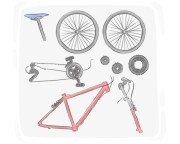
keen
keen
[形容詞]

having the ability to learn or understand quickly

鋭い, 聡明な
鋭い, 聡明な

Ex: The keen student quickly understood the complex mathematical problem. 
to consist of

to be formed from particular parts or things

から成る, で構成される

から成る, で構成される

Ex: The salad consists of fresh greens, tomatoes, and a zesty vinaigrette. 

サラダは新鮮なグリーン、トマト、そして風味豊かなビネグレット で構成されています。

passionate
passionate
[形容詞]

showing or having enthusiasm or strong emotions about something one care deeply about

情熱的な, 熱心な

情熱的な, 熱心な

Ex: She is a passionate advocate for environmental conservation and volunteers regularly for cleanup projects. 

彼女は環境保護の熱心な提唱者であり、定期的に清掃プロジェクトのボランティアをしています。

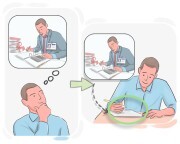
different
different
[形容詞]

not like another thing or person in form, quality, nature, etc.

異なる
異なる

Ex: He had a different perspective on the movie. 
to apply
to apply
[動詞]

to formally request something, such as a place at a university, a job, etc.

申し込む,  応募する

申し込む, 応募する

Ex: It's essential to carefully apply for grants that align with your research project. 
to resign
to resign
[動詞]

to officially announce one's departure from a job, position, etc.

辞任する, 辞職する

辞任する, 辞職する

Ex: The mayor announced his decision to resign from office. 
to insist
to insist
[動詞]

to urgently demand someone to do something or something to take place

主張する, 要求する

主張する, 要求する

Ex: She insisted on paying for dinner, despite our protests. 

彼女は私たちの抗議にもかかわらず、夕食を支払うことを主張した。

to believe in

to firmly trust in the goodness or value of something

何かの価値や良さを信じる, 何かが良いまたは価値あるものだと強く信じる

何かの価値や良さを信じる, 何かが良いまたは価値あるものだと強く信じる

Ex: She always believed in the goodness of people, no matter the circumstances. 

彼女はどんな状況でも、人々の善良さを常に信じていました。

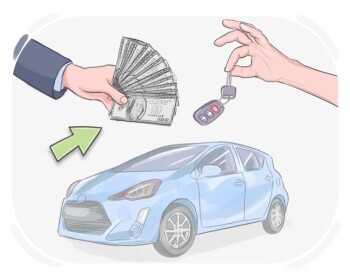
to complain
to complain
[動詞]

to express your annoyance, unhappiness, or dissatisfaction about something

不平を言う, 文句を言う
不平を言う, 文句を言う

Ex: Tom didn't hesitate to complain when his order at the restaurant arrived with the wrong items. 
to pay for {sth}

to give money or something else of value in exchange for goods or services
Ex: Will you pay for my movie ticket? 
to depend on
to depend on
[動詞]

to be determined or affected by something else

何かに左右される, 結果や状態が別の要因に左右される

何かに左右される, 結果や状態が別の要因に左右される

Ex: The success of a healthy lifestyle depends on a balanced diet, regular exercise, and sufficient sleep. 

健康的なライフスタイルの成功は、バランスの取れた食事、定期的な運動、十分な睡眠に依存します。

to succeed
to succeed
[動詞]

to reach or achieve what one desired or tried for

成功する, 達成する

成功する, 達成する

Ex: With creativity and innovation, the team succeeded in developing a groundbreaking technology. 
to prepare
to prepare
[動詞]

to get ready for an event, activity, or situation, either mentally or physically

準備する, 準備をする

準備する, 準備をする

Ex: She's busy preparing for her presentation, creating slides and rehearsing her speech. 
LanGeek
LanGeekアプリをダウンロード