
pattern

SAT 語彙スキル 4 - レッスン 37

レビュー

フラッシュカード

綴り

クイズ

学習を開始
SAT Word Skills 4
pollen
pollen
[名詞]

tiny grains produced by flowers that carry male reproductive cells

花粉, 花粉粒

花粉, 花粉粒

Ex: Bees collect pollen from flowers. 

ミツバチは花から花粉を集めます。

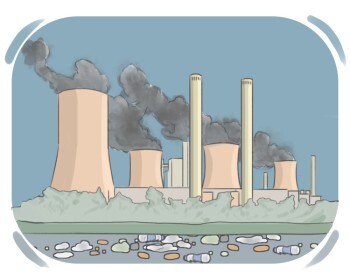
to pollute
to pollute
[動詞]

to damage the environment by releasing harmful chemicals or substances to the air, water, or land

汚染する, 汚す

汚染する, 汚す

Ex: Cars emit exhaust fumes that pollute the atmosphere with greenhouse gases. 

車は排気ガスを排出し、温室効果ガスで大気を汚染します。

gigantic
gigantic
[形容詞]

extremely large in size or extent

巨大な, 膨大な

巨大な, 膨大な

Ex: The gigantic iceberg floated ominously in the frigid waters, dwarfing the nearby ships. 

巨大な氷山が冷たい海に不気味に浮かび、近くの船を小さく見せていた。

ghoulish
ghoulish
[形容詞]

suggesting the horror of death and decay

不気味な, ぞっとするような

不気味な, ぞっとするような

gritty
gritty
[形容詞]

displaying courage and determination in challenging situations

勇敢な, 決意のある

勇敢な, 決意のある

Ex: Her gritty resolve helped her achieve her dreams. 

彼女の粘り強い決意が、夢を叶えるのに役立った。

gristle
gristle
[名詞]

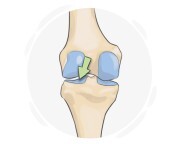
tough elastic tissue; mostly converted to bone in adults

軟骨, 硬い弾性組織

軟骨, 硬い弾性組織

to infiltrate

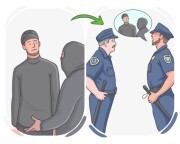
to secretly enter an organization or group with the aim of spying on its members or gathering information

潜入する, 密かに入り込む

潜入する, 密かに入り込む

Ex: During the Cold War, intelligence agencies attempted to infiltrate enemy organizations for espionage. 

冷戦中、情報機関は敵の組織に潜入してスパイ活動を試みた。

influence
influence
[名詞]

the ability to affect people or events, particularly through prestige, status, or authority

影響, 影響力

影響, 影響力

Ex: The wealthy donor used his influence to gain access to high-profile political figures. 
miscellany
miscellany
[名詞]

an assortment of short literary works, such as poems, essays, ballads, and stories, compiled into a single volume

文集, アンソロジー

文集, アンソロジー

Ex: The publisher released a miscellany of 19th-century romantic poetry. 

出版社は19世紀のロマン派詩の選集を発行した。

mischievous
mischievous
[形容詞]

enjoying causing trouble or playfully misbehaving, often in a harmless way

いたずら好きな, 悪戯な

いたずら好きな, 悪戯な

Ex: The mischievous child hid his sister's toys to surprise her. 

いたずら好きな子供は姉妹を驚かせるために彼女のおもちゃを隠しました。

to reprehend
to reprehend
[動詞]

express strong disapproval of

非難する,  責める

非難する, 責める

reprehensible
reprehensible
[形容詞]

deserving strong criticism or punishment because it is morally wrong or unacceptable

非難すべき, 叱責に値する

非難すべき, 叱責に値する

Ex: Lying under oath is a reprehensible act. 

宣誓の下での嘘は非難すべき行為です。

to shriek
to shriek
[動詞]

to produce a loud, high-pitched sound, often due to fear, surprise, or excitement

叫ぶ, 金切り声を上げる

叫ぶ, 金切り声を上げる

Ex: She shrieked when the mouse ran across the floor. 

ネズミが床を走り抜けたとき、彼女は叫びました。

sporadic
sporadic
[形容詞]

occurring from time to time, in an irregular manner

散発的な, 時折の

散発的な, 時折の

Ex: The sporadic rainfall throughout the day led to unpredictable weather conditions. 

一日を通しての散発的な降雨は、予測不可能な気象条件をもたらした。

testament
testament
[名詞]

a legal document stating how a person's property should be distributed after death

遺言,  遺言書

遺言, 遺言書

Ex: The lawyer helped her prepare her last will and testament. 
testator
testator
[名詞]

a person who makes a will

遺言者, 遺書を作成する人

遺言者, 遺書を作成する人

testimonial
testimonial
[名詞]

something that serves as evidence

証言, 証拠

証言, 証拠

calvary
calvary
[名詞]

any experience that causes intense suffering

苦難, 苦しみ

苦難, 苦しみ

LanGeek
LanGeekアプリをダウンロード