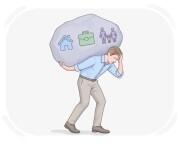
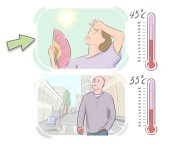
pattern

ACT 人文科学 - 挑戦と闘争

困難や闘争のためのACT人文科学の語彙を学びましょう。個人や社会が直面する苦難、障害、抵抗、努力、紛争、困難を含みます。

レビュー

フラッシュカード

語形

綴り

クイズ

学習を開始
ACT Vocabulary for Humanities
to withstand
to withstand
[動詞]

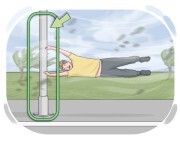
to resist or endure the force, pressure, or challenges imposed upon oneself

耐える, 抵抗する

耐える, 抵抗する

Ex: The sturdy structure of the building can withstand strong winds and earthquakes. 

建物の頑丈な構造は、強い風や地震に耐えることができます。

to tolerate
to tolerate
[動詞]

to allow something one dislikes, especially certain behavior or conditions, without interference or complaint

我慢する, 容認する

我慢する, 容認する

Ex: In relationships, partners need to tolerate differences and work towards mutual understanding. 
to struggle
to struggle
[動詞]

to put a great deal of effort to overcome difficulties or achieve a goal

奮闘する, 努力する
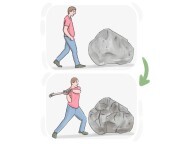
奮闘する, 努力する

Ex: The team struggled to adapt to the new project requirements. 
to tackle
to tackle
[動詞]

to try to deal with a difficult problem or situation in a determined manner

取り組む, 対処する
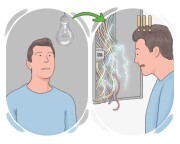
取り組む, 対処する

Ex: Volunteers in the community are actively tackling social problems for positive change. 
to encounter
to encounter
[動詞]

to be faced with an unexpected difficulty during a process

遭遇する, 直面する

遭遇する, 直面する

Ex: The author encountered writer's block while working on the final chapters of the book. 
to confront
to confront
[動詞]

to face and deal directly with a difficult problem, situation, or fact
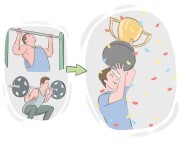
Ex: The company must confront its financial problems. 
to strive
to strive
[動詞]

to try as hard as possible to achieve a goal

努力する, 奮闘する

努力する, 奮闘する

Ex: Organizations strive to provide exceptional service to meet customer expectations. 

組織は、顧客の期待に応えるために卓越したサービスを提供するよう努めています。

to grapple
to grapple
[動詞]

to engage in a determined effort to confront and resolve a problem or obstacle

取り組む, 対処する

取り組む, 対処する

Ex: The team had to grapple with the complex task of integrating new technology into their existing infrastructure. 

チームは、既存のインフラに新しい技術を統合するという複雑な課題に取り組まなければなりませんでした。

to resort
to resort
[動詞]

to turn to or use something as a solution or means of help, especially as a last option

頼る, 訴える

頼る, 訴える

Ex: They had to resort to using candles during the power outage. 
to persevere
to persevere
[動詞]

to continue a course of action, especially in the face of difficulty or with little or no prospect of success

忍耐する, 粘り強く続ける

忍耐する, 粘り強く続ける

Ex: He decided to persevere with his fitness routine, even when he didn't see immediate results. 

彼はすぐに結果が見えなくても、フィットネスルーティンを続けることに決めました。
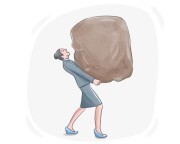
to endeavor
to endeavor
[動詞]

to make a serious or determined effort to do or achieve something

努める

努める

Ex: Emily endeavors to treat every customer with respect. 
to toil
to toil
[動詞]

to work extremely hard and persistently, often with great effort and dedication

苦労して働く, 一生懸命働く

苦労して働く, 一生懸命働く

Ex: Farmers toil in the fields to cultivate crops for a successful harvest. 

農家は成功した収穫のために作物を栽培するために畑で苦労する。

to persist
to persist
[動詞]

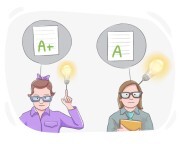
to continue doing something firmly despite difficulty, opposition, or discouragement

固執する,  続ける
固執する, 続ける

Ex: Emily persisted in applying for jobs despite several rejections. 
to rival
to rival
[動詞]

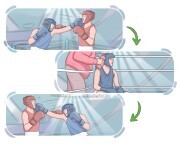
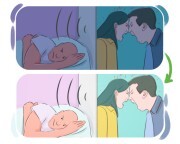
to be equal to or compete closely with someone or something in terms of skill, ability, or performance

競う, 張り合う
競う, 張り合う

Ex: The quality of their product rivaled that of the leading brand. 
to endure
to endure
[動詞]

to allow the presence or actions of someone or something disliked without interference or complaint

耐える, 我慢する

耐える, 我慢する

Ex: The employees had to endure long working hours during the busy season to meet the project deadline. 

従業員は、プロジェクトの締め切りを守るために、繁忙期に長時間労働を耐え忍ばなければならなかった。

to concede
to concede
[動詞]

to admit that one has lost a competition, contest, argument, or election

敗北を認める,  譲歩する

敗北を認める, 譲歩する

Ex: Daniel conceded after realizing he could no longer win the match. 
to overwhelm
to overwhelm
[動詞]

to overpower someone or something emotionally or mentally, leaving them unable to respond effectively

圧倒する, 打ちのめす

圧倒する, 打ちのめす

Ex: The news of her promotion overwhelmed her with joy. 

彼女の昇進の知らせは喜びで彼女を圧倒した。

to withdraw
to withdraw
[動詞]

to pull back or move away from a position or situation, often in response to a threat or unfavorable conditions

撤退する,  退く
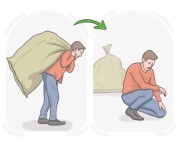
撤退する, 退く

Ex: Fearing an ambush, the reconnaissance team withdrew from the hostile area under cover of darkness. 
to succumb
to succumb
[動詞]

to surrender to a superior force or influence

屈する, 負ける

屈する, 負ける

Ex: Despite his strong will, he eventually succumbed to the persuasive arguments of his friends. 

彼の強い意志にもかかわらず、彼は結局友達の説得力のある議論に屈した。

obstacle
obstacle
[名詞]

a difficulty or circumstance that prevents or delays progress or success

Ex: Lack of funding became the biggest obstacle to completing the project. 
barricade
barricade
[名詞]

a defensive barrier erected during wartime to obstruct enemy movement and provide protection for defending forces

バリケード

バリケード

Ex: Soldiers hastily constructed barricades using sandbags to fortify their positions against advancing enemy troops. 

兵士たちは、前進する敵軍に対して自らの陣地を強化するために、砂袋を使って急いでバリケードを築いた。

impediment
impediment
[名詞]

anything that blocks or slows progress

障害, 妨害

障害, 妨害

Ex: The fallen tree was an impediment on the hiking trail, making it hard to continue. 

倒れた木はハイキングコース上の障害物で、続行が困難でした。

burden
burden
[名詞]

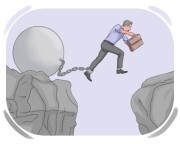
a responsibility or task that causes hardship, stress, etc.

負担, 重荷

負担, 重荷

Ex: He felt burdened by guilt after making a mistake that affected his colleagues. 
tightrope
tightrope
[名詞]

a situation where one must navigate carefully to avoid problems or failure

綱渡り, 微妙な状況

綱渡り, 微妙な状況

Ex: Negotiating the peace treaty was like walking a tightrope, requiring careful balance between conflicting demands. 

平和条約の交渉は、対立する要求の間で慎重なバランスを必要とする綱渡りのようなものだった。

adversity
adversity
[名詞]

a situation marked by hardship or misfortune

逆境,  不運

逆境, 不運

Ex: She showed remarkable resilience in the face of adversity, turning challenges into opportunities. 

彼女は逆境に直面して驚くべき回復力を示し、課題を機会に変えた。

calamity
calamity
[名詞]

an event causing great and often sudden damage, distress, or destruction

災害, 惨事

災害, 惨事

Ex: The earthquake was a calamity that devastated the entire city, leaving buildings in ruins. 

その地震は、建物を廃墟にし、街全体を荒廃させた災害でした。

drawback
drawback
[名詞]

a disadvantage or the feature of a situation that makes it unacceptable

欠点, 短所

欠点, 短所

Ex: The main drawback of working from home is the lack of social interaction. 

在宅勤務の主な欠点は、社会的相互作用の欠如です。

mishap
mishap
[名詞]

a minor accident that has no serious consequences

小さな事故, ハプニング
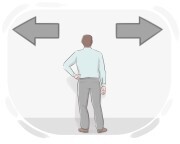
小さな事故, ハプニング

Ex: Despite a small mishap with the cake, the birthday party was a great success. 
dilemma
dilemma
[名詞]

a situation in which a difficult choice must be made between alternatives

ジレンマ

ジレンマ

Ex: Sarah faced a dilemma over whether to accept the new job or stay near her family. 
disturbance
disturbance
[名詞]

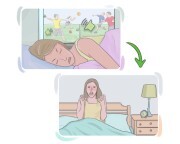
something that interrupts, disrupts, or alters the normal condition or functioning of something

妨害, 混乱

妨害, 混乱

Ex: The power failure caused a major disturbance to train services. 
conundrum
conundrum
[名詞]

a problem or question that is confusing and needs a lot of skill or effort to solve or answer

謎, 難問

謎, 難問

Ex: The meaning of life has always been a conundrum that philosophers have pondered for centuries. 

人生の意味は、何世紀にもわたって哲学者が考えてきた難問でした。

turmoil
turmoil
[名詞]

a state of extreme disturbance that causes a lot of worry and uncertainty

混乱, 動揺

混乱, 動揺

barrier
barrier
[名詞]

an obstacle that separates people or hinders any progress or communication

障壁, 障害

障壁, 障害

Ex: The government removed trade barriers to boost the economy. 
fault line
fault line
[名詞]

an area of vulnerability in a system, organization, or relationship that could lead to significant problems or breakdowns

断層線, 脆弱な点

断層線, 脆弱な点

Ex: The recent disagreements between the partners exposed a fault line in their business relationship. 

パートナー間の最近の意見の相違は、彼らのビジネス関係に断層線を露呈させた。

strain
strain
[名詞]

a challenging situation or pressure that causes difficulty or tension

圧力, 緊張

圧力, 緊張

Ex: Financial strain due to unexpected expenses forced them to rethink their budget. 
travail
travail
[名詞]

hard or painful work

苦労

苦労

Ex: The artist's masterpiece was the result of years of hard travail. 

その芸術家の傑作は、何年もの苦しい労働の結果でした。

feat
feat
[名詞]

an impressive or remarkable achievement or accomplishment, often requiring great skill or strength

偉業, 注目すべき達成

偉業, 注目すべき達成

resilient
resilient
[形容詞]

able to recover quickly from difficult situations

回復力のある,  弾力性のある

回復力のある, 弾力性のある

Ex: Being resilient in the face of adversity, the team emerged stronger and more cohesive. 

逆境に直面しても回復力のあるチームは、より強く、より結束して現れました。

persistent
persistent
[形容詞]

continuing to do something despite facing criticism or difficulties

しつこい, 根気強い

しつこい, 根気強い

Ex: Despite the setbacks, she remained persistent, never giving up on her goals. 

挫折にもかかわらず、彼女は粘り強く、自分の目標を決して諦めなかった。

cumbersome
cumbersome
[形容詞]

challenging to manage or move due to size, weight, or awkward shape

かさばる, 重い

かさばる, 重い

Ex: Carrying the cumbersome boxes up the stairs was exhausting. 

かさばる箱を階段まで運ぶのは疲れた。

unbearable
unbearable
[形容詞]

causing extreme discomfort or distress that is difficult to endure

耐えられない, 我慢できない

耐えられない, 我慢できない

Ex: The heat during the heatwave was unbearable for the residents without air conditioning. 

熱波の間の暑さは、エアコンなしの住民にとって耐えられないものでした。

LanGeek
LanGeekアプリをダウンロード