
주제 관련 동사 - 청소와 관련된 동사
여기에서는 "닦다", "소독하다", "헹구다"와 같은 청소를 의미하는 몇 가지 영어 동사를 배우게 됩니다.
리뷰
플래시카드
형태
철자법
퀴즈
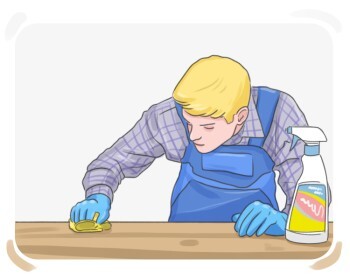
to make something have no bacteria, marks, or dirt

청소하다, 씻다
사라는 스펀지로 주방 조리대를 청소합니다.
to clean or dry a surface using a cloth, etc.
닦다, 청소하다
그는 싱크대에서 손을 씻은 후 수건으로 손을 닦았다.
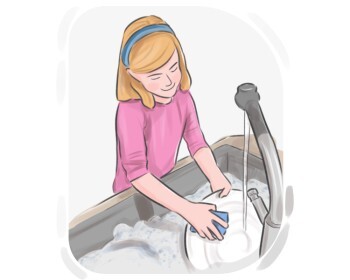
to clean someone or something with water, often with a type of soap
씻다, 청소하다
나는 보통 세차장에서 내 차를 씻어.
to clean something quickly with water, often without using soap, in order to remove dirt or other substances
헹구다, 빨리 씻다
요리하기 전에, 농약이나 먼지를 제거하기 위해 과일과 채소를 씻어 내는 것이 중요합니다.
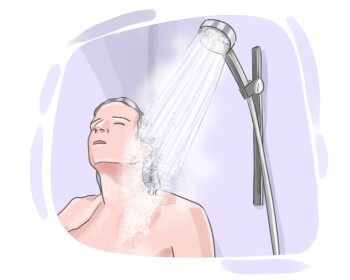
to bathe under a continuous flow of water, typically for cleansing the body
샤워하다, 목욕하다
그는 잠자리에 들기 전에 긴장을 풀기 위해 저녁에 샤워하는 것을 선호합니다.
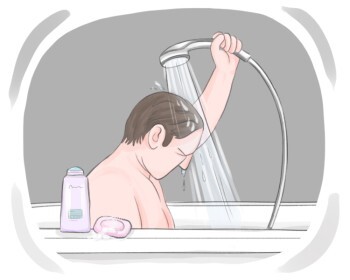
to wash or clean the body by putting it in water or pouring water over it
목욕하다, 씻다
일부 문화에서는 건강상의 이점을 위해 찬물에 목욕하는 것이 관례입니다.
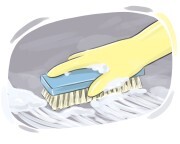
to clean something thoroughly by scrubbing it hard with a rough or tough material
문지르다, 철저히 청소하다
그는 그릴 그레이트를 와이어 브러시로 문질러 타다 남은 찌꺼기를 제거했다.
to destroy bacteria, virus, etc. by cleaning with a special substance
소독하다, 살균하다
어린이집은 아이들을 건강하게 유지하기 위해 정기적으로 장난감을 소독합니다.
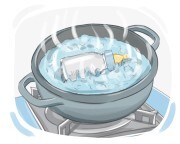
to remove all bacteria or other microorganisms from something
살균하다, 소독하다
문신 예술가들은 안전하고 위생적인 환경을 보장하기 위해 장비를 살균합니다.
to clean something thoroughly to reduce or eliminate germs, bacteria, or other harmful microorganisms
소독하다, 살균하다
독감 시즌에는 문 손잡이와 전등 스위치와 같은 자주 접촉하는 표면을 소독하는 것이 좋은 생각입니다.
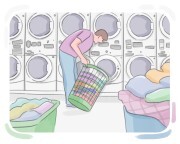
to wash, clean, and iron clothes and linens
세탁하다, 청소하고 다림질하다
그는 드라이클리닝을 이용하기보다 집에서 드레스 셔츠를 세탁하는 것을 선호합니다.
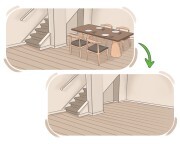
to remove unnecessary or unwanted items or things from a place
비우다, 청소하다
봄맞이 대청소는 다락방을 비우는 것과 오래되고 사용하지 않는 물건들을 처리하는 것을 포함했습니다.
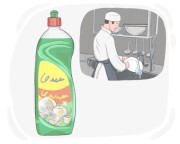
to clean plates, cups, bowls, or other kitchen items after eating
설거지하다, 접시를 씻다
레스토랑 직원들은 영업 종료 후 빨리 접시를 씻었습니다.
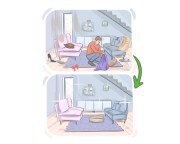
to make a place neat and orderly by putting things away, cleaning, or organizing
정리하다, 청소하다
숙제를 마친 후 책상을 정리하세요.

to remove or neutralize unpleasant smells from something
탈취하다, 냄새를 중화시키다
그는 직물 리프레셔를 뿌려 짐 가방을 탈취합니다.
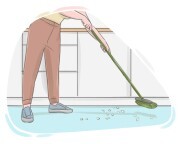
to collect and remove dirt or trash, typically from the floor or a surface using a broom
쓸다, 모으다
청소팀은 복도로 날아든 나뭇잎을 쓸어야 했습니다.
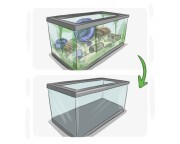
to completely empty or remove the contents of a space, container, or place, often thorough cleaning
완전히 비우다, 철저히 청소하다
주최자는 그녀가 어수선한 옷장을 비우는 것을 도와 더 정돈된 공간을 만들었습니다.
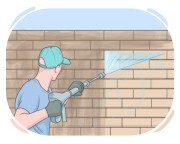
to clean something by using water to make the dirt or other substances go away
씻어 내다, 깨끗이 하다
관리인은 학교 복도에 있는 완고한 얼룩을 씻어 내기 위해 부지런히 일했다.

to remove or neutralize harmful substances from something
오염을 제거하다, 정화하다
정수장은 음용수의 안전을 보장하기 위해 이를 정화합니다.
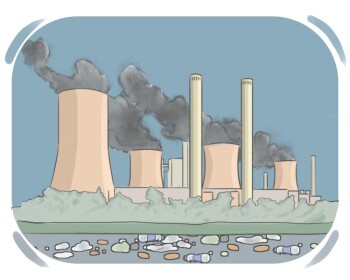
to make a place, substance, etc. dirty or harmful by adding dangerous material
오염시키다, 감염시키다
식품은 제대로 보관되지 않거나 불결한 조건에서 다루어지면 오염될 수 있습니다.
to damage the environment by releasing harmful chemicals or substances to the air, water, or land
오염시키다, 더럽히다
불에서 나는 연기가 대기를 오염시켜 공기 질을 떨어뜨립니다.
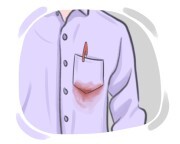
to make a dirty mark by rubbing or spreading something on a surface
얼룩지게 하다, 더럽히다
그의 손은 그림을 그린 후 잉크로 얼룩져 있었다.
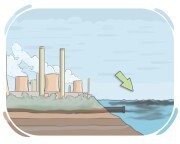
to infect or dirty something with a disease or harmful microorganism
오염시키다, 감염시키다
홍수는 하수로부터 유해한 세균으로 작물을 오염시킬 수 있습니다.
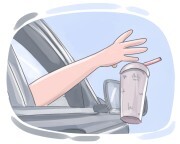
to make a place dirty by leaving trash or waste scattered around
쓰레기를 버리다, 더럽히다
아이들에게 쓰레기를 버리지 말고 환경을 존중하도록 가르치는 것이 중요합니다.
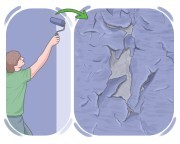
to damage the appearance of something by causing a flaw or imperfection
더럽히다, 손상시키다
부주의한 취급은 섬세한 직물을 훼손할 수 있으며, 얼룩이나 찢어짐을 남길 수 있습니다.

