pattern

ACT 수학 및 평가 - 행동 과정

단계, 절차, 방법, 순서, 실행, 그리고 활동이 어떻게 발전하거나 완료되는지를 포함한 과정과 행동에 관한 ACT 어휘를 배우세요.

리뷰

플래시카드

형태

철자법

퀴즈

학습 시작
ACT Vocabulary for Math and Assessment
onset
onset
[명사]

the beginning point or stage of something, especially unpleasant

시작, 개시

시작, 개시

Ex: Early detection can be crucial at the onset of any serious illness. 

초기 발견은 심각한 질병의 시작에 있어서 결정적일 수 있습니다.

닫기
로그인
awakening
awakening
[명사]

the start or realization of something new

깨어남, 의식

깨어남, 의식

Ex: The civil rights era marked an awakening in the struggle for racial equality and social justice in the United States. 

민권 시대는 미국에서 인종 평등과 사회 정의를 위한 투쟁에서의 깨어남을 나타냈습니다.

닫기
로그인
outset
outset
[명사]

the beginning of something

시작, 초반

시작, 초반

Ex: From the outset, the new policy was met with resistance from the employees. 

처음부터 새 정책은 직원들의 저항에 부딪혔습니다.

닫기
로그인
inception
inception
[명사]

the starting point of an activity or event

시작, 개시

시작, 개시

Ex: The technology behind smartphones has evolved drastically from its inception to its current state. 

스마트폰의 기술은 시작부터 현재 상태까지 극적으로 발전했습니다.

닫기
로그인
infancy
infancy
[명사]

the initial period in which an idea, project, technology, or organization is just beginning to develop

유아기, 초기

유아기, 초기

Ex: The field of genetic research was in its infancy when scientists first began mapping the human genome. 

과학자들이 처음으로 인간 게놈을 매핑하기 시작했을 때 유전자 연구 분야는 초기 단계에 있었습니다.

닫기
로그인
outbreak
outbreak
[명사]

the unexpected start of something terrible, such as a disease

발발, 유행병

발발, 유행병

Ex: Health officials were concerned about the outbreak of measles in the neighborhood. 

보건 당국은 지역 사회에서 홍역이 발생한 것에 대해 우려했습니다.

닫기
로그인
crescendo
crescendo
[명사]

the peak or climax of a process, activity, or sequence of events

절정

절정

Ex: The political campaign's momentum reached a crescendo just before election day. 

선거일 직전에 정치 캠페인의 추진력이 크레센도에 도달했습니다.

닫기
로그인
interruption
interruption
[명사]

an abrupt event that stops or disrupts something in progress

중단, 방해

중단, 방해

Ex: He apologized for the interruption and quickly continued his presentation. 

그는 방해에 대해 사과하고 빠르게 그의 발표를 계속했다.

닫기
로그인
termination
termination
[명사]

the action of putting an end to something

종료, 해지

종료, 해지

닫기
로그인
tactic
tactic
[명사]

a carefully planned action or strategy to achieve a specific goal

전술, 계략

전술, 계략

Ex: His tactic of arriving early ensured he got the best seat. 

일찍 도착하는 그의 전략은 그가 최고의 자리를 확보하도록 했다.

닫기
로그인
technique
technique
[명사]

a specific method of carrying out an activity that requires special skills

기술

기술

Ex: The artist used innovative painting techniques to create stunning works of art. 

그 예술가는 놀라운 예술 작품을 만들기 위해 혁신적인 페인팅 기술을 사용했습니다.

닫기
로그인
byproduct
byproduct
[명사]

an additional result or consequence that occurs alongside the main outcome, often unexpectedly

부산물, 부차적인 결과

부산물, 부차적인 결과

Ex: Increased traffic congestion can be a byproduct of urban development. 

교통 혼잡 증가는 도시 개발의 부산물일 수 있습니다.

닫기
로그인
mechanism
mechanism
[명사]

a system of separate parts acting together in order to perform a task

메커니즘,  장치

메커니즘, 장치

Ex: The mechanism inside the toy makes it walk forward when wound up. 
닫기
로그인
algorithm
algorithm
[명사]

a finite sequence of well-defined, mathematical instructions for completing a specific task or solving a problem

알고리즘

알고리즘

Ex: The Newton-Raphson algorithm is used to find successively better approximations to the roots of a real-valued function. 

뉴턴-랩슨 알고리즘은 실수 값 함수의 근에 대한 연속적으로 더 나은 근사치를 찾는 데 사용됩니다.

닫기
로그인
output
output
[명사]

the tangible or measurable results, products, or goods produced by a process or system

생산량, 결과

생산량, 결과

Ex: The output of the research project was published in several academic journals. 

연구 프로젝트의 결과물이 여러 학술지에 게재되었습니다.

닫기
로그인
occurrence
occurrence
[명사]

an event or incident that happens or takes place, often referring to specific instances observed or recorded

발생,  사건

발생, 사건

Ex: The occurrence of errors in the system slowed down the production process. 

시스템에서 오류의 발생이 생산 과정을 늦췄다.

닫기
로그인
incidence
incidence
[명사]

the rate or frequency at which something happens or occurs

발생률, 발생 빈도

발생률, 발생 빈도

Ex: Despite preventive measures, there has been a spike in the incidence of cyberattacks this year. 

예방 조치에도 불구하고, 올해 사이버 공격의 발생률이 급증했습니다.

닫기
로그인
consequence
consequence
[명사]

a phenomenon or event that follows from and is caused by a previous action or occurrence

결과, 귀결

결과, 귀결

Ex: The power outage was a direct consequence of the storm. 

정전은 폭풍의 직접적인 결과였습니다.

닫기
로그인
ramification
ramification
[명사]

an unexpected event that makes a situation more complex

분기, 예기치 않은 결과

분기, 예기치 않은 결과

Ex: The decision to relocate had unexpected ramifications, leading to logistical challenges and increased costs. 

이전 결정은 예상치 못한 파장을 일으켜, 물류적 도전과 증가된 비용으로 이어졌다.

닫기
로그인
implication
implication
[명사]

a possible consequence that something can bring about

함의,  결과

함의, 결과

Ex: The implications of the new law could affect many small businesses. 

새 법의 영향은 많은 소규모 기업에 영향을 미칠 수 있습니다.

닫기
로그인
corollary
corollary
[명사]

a thing that is the direct or natural result of another

당연한 결과, 따름정리

당연한 결과, 따름정리

Ex: The corollary of improving healthcare access is a longer average lifespan. 

의료 접근성 향상의 당연한 결과는 평균 수명의 연장입니다.

닫기
로그인
to glitch
to glitch
[동사]

(of a machine or system) to suffer a sudden malfunction or fault that stops something from working correctly

결함이 생기다, 갑자기 고장 나다

결함이 생기다, 갑자기 고장 나다

닫기
로그인
perpetuation
perpetuation
[명사]

the action of maintaining or continuing something, typically a practice, belief, or state

영속, 유지

영속, 유지

Ex: Economic policies can contribute to the perpetuation of inequality. 

경제 정책은 불평등의 영속화에 기여할 수 있습니다.

닫기
로그인
payoff
payoff
[명사]

a reward or consequence received as a result of actions, whether positive or negative

보상, 결과

보상, 결과

Ex: The company's investment in technology had a significant payoff in productivity. 

기술에 대한 회사의 투자는 생산성에 상당한 보상을 가져왔다.

닫기
로그인
remnant
remnant
[명사]

a tiny fragment or piece that survives after the larger part has been used, removed, or destroyed

잔해, 유물

잔해, 유물

Ex: She sewed a quilt using remnants of fabric from various projects. 

그녀는 다양한 프로젝트에서 나온 천의 잔여물을 사용하여 이불을 꿰매었습니다.

닫기
로그인
remains
remains
[명사]

the leftover parts or fragments of something that has been used, consumed, or destroyed

유적

유적

Ex: She collected the remains of the old car to sell for scrap metal. 

그녀는 스크랩 금속으로 팔기 위해 오래된 차의 잔해를 모았다.

닫기
로그인
vestige
vestige
[명사]

a minor remaining part or trace of something that is no longer present in full

흔적, 잔재

흔적, 잔재

Ex: Rural dialects preserve vestiges of vocabulary no longer used in modern standard forms of the language. 

시골 방언은 현대 표준 언어 형태에서 더 이상 사용되지 않는 어휘의 흔적을 보존합니다.

닫기
로그인
interplay
interplay
[명사]

the mutual action and reaction between two or more elements, often influencing each other

상호작용, 놀이

상호작용, 놀이

Ex: The interplay between technology and human behavior shapes modern society. 

기술과 인간 행동 사이의 상호작용이 현대 사회를 형성한다.

닫기
로그인
exhaust
exhaust
[명사]

the waste gases or air expelled from an engine, furnace, or other machinery

배기 가스, 배기 연기

배기 가스, 배기 연기

Ex: The factory installed air filters to reduce the release of particulate matter in the exhaust expelled into the atmosphere. 

공장은 대기로 배출되는 배기 가스에서 미립자 물질의 방출을 줄이기 위해 공기 필터를 설치했습니다.

닫기
로그인
to fare
to fare
[동사]

to perform or manage oneself in a particular way, especially in response to a situation or condition

해내다, 처리하다

해내다, 처리하다

Ex: The company fared poorly in the market due to a decline in consumer confidence. 

소비자 신뢰도 하락으로 인해 회사는 시장에서 잘 되지 않았다.

닫기
로그인
to culminate
to culminate
[동사]

to end by coming to a climactic point

정점에 이르다, 끝나다

정점에 이르다, 끝나다

Ex: The journey culminated in reaching the summit of the mountain. 

그 여정은 산 정상에 도달하면서 절정에 이르렀다.

닫기
로그인
to reverse
to reverse
[동사]

to change something such as a process, situation, etc. to be the opposite of what it was before

되돌리다, 역전시키다

되돌리다, 역전시키다

Ex: The school board voted to reverse the decision to eliminate art and music programs. 

학교 이사회는 예술 및 음악 프로그램을 없애기로 한 결정을 되돌리기로 투표했습니다.

닫기
로그인
to stall
to stall
[동사]

to cease to make progress or move forward

정체되다, 멈추다

정체되다, 멈추다

Ex: The negotiations stalled after the first round of talks. 

첫 번째 회담 이후 협상이 진전을 보이지 않았다.

닫기
로그인
to retard
to retard
[동사]

to experience a delay or slow progress in a process or activity

지연시키다, 늦추다

지연시키다, 늦추다

Ex: Heavy snowfall caused the delivery schedule to retard significantly. 

폭설로 인해 배송 일정이 크게 지연되었습니다.

닫기
로그인
to halt
to halt
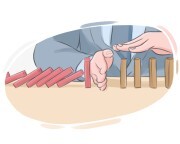
[동사]

to stop or bring an activity, process, or operation to an end

중지하다, 멈추다

중지하다, 멈추다

Ex: In response to safety concerns, the airline chose to halt flights to the affected region. 

안전 문제에 대한 대응으로, 항공사는 피해 지역으로의 항공편을 중단하기로 결정했습니다.
닫기
로그인
to cease
to cease
[동사]

to bring an action, activity, or process to an end

중단하다, 그만두다

중단하다, 그만두다

Ex: He promised to cease smoking after realizing the health risks. 

그는 건강 위험을 깨닫고 흡연을 중단하겠다고 약속했다.

닫기
로그인
to truncate
to truncate
[동사]

to cut something short in length or duration

자르다, 줄이다

자르다, 줄이다

닫기
로그인
to revert
to revert
[동사]

to go back to a previous state, condition, or behavior

되돌아가다, 복귀하다

되돌아가다, 복귀하다

Ex: Due to budget constraints, the project had to revert to its original scope. 

예산 제약으로 인해 프로젝트는 원래 범위로 되돌아가야 했습니다.

닫기
로그인
to undergo
to undergo
[동사]

to experience or endure a process, change, or event

겪다, 받다

겪다, 받다

Ex: As part of the research study, participants had to undergo various tests and assessments. 

연구 연구의 일환으로, 참가자들은 다양한 테스트와 평가를 받아야 했습니다.

닫기
로그인
to unfold
to unfold
[동사]

to develop or progress in a way that shows promise or potential

펼쳐지다, 발전하다

펼쳐지다, 발전하다

Ex: As the research unfolded, scientists discovered groundbreaking findings that could revolutionize the field. 

연구가 진행됨에 따라, 과학자들은 그 분야를 혁신할 수 있는 획기적인 발견을 했습니다.

닫기
로그인
to commence
to commence
[동사]

to start happening or being

시작하다, 개시하다

시작하다, 개시하다

Ex: The ceremony commenced with a speech from the mayor. 

행사는 시장의 연설로 시작되었습니다.

닫기
로그인
to abort
to abort
[동사]

to stop and end a process before it finishes

중단하다, 포기하다

중단하다, 포기하다

Ex: They decided to abort the project because of funding issues. 

자금 문제로 인해 그들은 프로젝트를 중단하기로 결정했습니다.

닫기
로그인
to reciprocate

to respond in kind to a gesture or action

보답하다, 같은 방식으로 응답하다

보답하다, 같은 방식으로 응답하다

Ex: Social interactions become more harmonious when people reciprocate respect. 

사람들이 존중을 되돌려 줄 때 사회적 상호 작용이 더 조화로워집니다.

닫기
로그인
interactive
interactive
[형용사]

involving mutual action or influence between two or more entities

상호 작용하는, 인터랙티브한

상호 작용하는, 인터랙티브한

Ex: The game encourages interactive gameplay where players collaborate to solve puzzles. 

이 게임은 플레이어들이 퍼즐을 해결하기 위해 협력하는 상호작용적인 게임플레이를 장려합니다.

닫기
로그인
proactive
proactive
[형용사]

characterized by taking initiative to control or influence a situation rather than merely reacting to events

적극적인, 선제적인

적극적인, 선제적인

Ex: Proactive parents monitor their children's online activity. 

적극적인 부모는 자녀의 온라인 활동을 모니터링합니다.

닫기
로그인
nascent
nascent
[형용사]

newly started or formed, and expected to further develop and grow

새로 시작된, 성장 중인

새로 시작된, 성장 중인

Ex: The nascent idea for a new app was still in the brainstorming phase. 

새 앱에 대한 초기 아이디어는 여전히 브레인스토밍 단계에 있었다.

닫기
로그인
inaugural
inaugural
[형용사]

marking the beginning or initiation of something, often an event, series, or period

취임의, 시작의

취임의, 시작의

Ex: The company's inaugural product release was eagerly anticipated by consumers. 

회사의 첫 제품 출시는 소비자들에 의해 간절히 기대되었습니다.

닫기
로그인
seamless
seamless
[형용사]

without any interruptions, mistakes, or visible imperfections

이음매 없는, 매끄러운

이음매 없는, 매끄러운

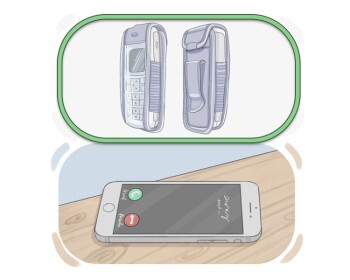
Ex: The transition between scenes in the play was so seamless that the audience barely noticed the changes. 

연극의 장면 전환이 너무 매끄러워서 관객들은 변화를 거의 눈치채지 못했습니다.
닫기
로그인
longstanding
longstanding
[형용사]

having persisted or existed for a significant amount of time

오랜, 오래된

오랜, 오래된

Ex: The company has a longstanding tradition of community involvement and philanthropy. 

그 회사는 커뮤니티 참여와 자선 활동에 있어 오랜 전통을 가지고 있습니다.

닫기
로그인
interminable
interminable
[형용사]

feeling endlessly long and tedious

끝없는, 끝없이 길고 지루한

끝없는, 끝없이 길고 지루한

Ex: She dreaded the interminable wait at the doctor's office, where time seemed to stand still. 

그녀는 시간이 멈춘 것 같은 의사 사무실에서의끝없는 기다림을 두려워했습니다.

닫기
로그인
recurrent
recurrent
[형용사]

repeatedly happening or reappearing, often at regular intervals

반복되는, 주기적인

반복되는, 주기적인

Ex: Recurrent issues with the software prompted the company to release a major update. 

소프트웨어의 반복되는 문제로 인해 회사는 주요 업데이트를 발표하게 되었습니다.

닫기
로그인
underway
underway
[형용사]

currently happening

진행 중인, 현재 진행 중

진행 중인, 현재 진행 중

Ex: The renovation of the house is underway, with workers busy repairing and painting. 

집의 리모델링이 진행 중이며, 작업자들은 수리와 페인트칠로 바쁘다.

닫기
로그인
inexorable
inexorable
[형용사]

refusing to be moved by argument or emotion

완고한, 무자비한

완고한, 무자비한

Ex: His inexorable stance frustrated negotiators on both sides. 

그의 완고한 태도는 양측 협상자들을 좌절시켰다.

닫기
로그인
firsthand
firsthand
[부사]

in a manner directly from the original source or from personal experience

직접적으로, 첫 손으로부터

직접적으로, 첫 손으로부터

Ex: The journalist reported on the event firsthand, providing detailed accounts. 

기자는 사건을 직접 보고했고, 상세한 설명을 제공했다.

닫기
로그인
formative
formative
[형용사]

influencing the development or growth of something else, particularly during a crucial period

형성적인, 발달에 영향을 미치는

형성적인, 발달에 영향을 미치는

Ex: Traveling to different countries can be highly formative in broadening one's perspective. 

다른 나라로 여행하는 것은 한 사람의 시각을 넓히는 데 매우 형성적일 수 있습니다.

닫기
로그인
concerted
concerted
[형용사]

carried out jointly by multiple individuals or groups

협력적인, 공동의

협력적인, 공동의

Ex: The government launched a concerted crackdown on organized crime in the city, involving multiple law enforcement agencies. 

정부는 여러 법 집행 기관이 참여하여 도시의 조직 범죄에 대한 공조 단속을 시작했습니다.
닫기
로그인
mechanically
mechanically
[부사]

in an automatic manner as if by using an engine, opposed to human effort alone

기계적으로

기계적으로

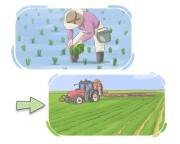
Ex: The wheat is harvested mechanically using modern combine harvesters. 

밀은 현대적인 콤바인 수확기를 사용하여 기계적으로 수확됩니다.

닫기
로그인
passively
passively
[부사]

without taking action or showing opposition

수동적으로, 반대하지 않고

수동적으로, 반대하지 않고

Ex: The country cannot afford to remain passively indifferent to rising tensions. 

그 나라는 긴장이 고조되는 것에 대해 수동적으로 무관심할 여유가 없다.
닫기
로그인
continuously
continuously
[부사]

without any pause or interruption

계속해서, 끊임없이

계속해서, 끊임없이

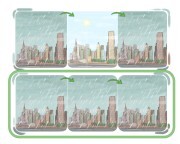
Ex: The rain fell continuously for hours, causing flooding. 

비가 몇 시간 동안 계속 내려 홍수를 일으켰습니다.

닫기
로그인
inversely
inversely
[부사]

in a manner where one thing is opposite or contrary to another

반대로, 역으로

반대로, 역으로

Ex: The quality of his work improved inversely with the reduction of his workload. 

그의 작업의 질은 작업량의 감소와 반비례하여 향상되었습니다.

닫기
로그인
progressively

in a manner that advances or develops gradually over time

점진적으로, 서서히

점진적으로, 서서히

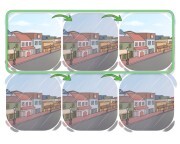
Ex: The city's infrastructure has been progressively upgraded to meet growing demands. 

도시의 인프라는 증가하는 수요를 충족시키기 위해 점진적으로 업그레이드되었습니다.
닫기
로그인
intermittently

at irregular intervals, with breaks or pauses in between

간헐적으로, 불규칙한 간격으로

간헐적으로, 불규칙한 간격으로

Ex: The bird chirped intermittently from the tree outside. 

밖에 있는 나무에서 새가 간헐적으로 울었다.

닫기
로그인
actively
actively
[부사]

in a way that involves effort and participation rather than being passive

적극적으로, 노력과 참여로

적극적으로, 노력과 참여로

Ex: They actively campaigned for cleaner public transport. 

그들은 더 깨끗한 대중 교통을 위해 적극적으로 캠페인을 벌였습니다.

닫기
로그인
LanGeek
LanGeek 앱 다운로드