


pattern

C1 수준 단어 목록 - Education

여기에서는 "입학", "관리인", "학자" 등과 같은 교육에 관한 몇 가지 영어 단어를 C1 학습자를 위해 준비했습니다.

리뷰

플래시카드

철자법

퀴즈

학습 시작
CEFR C1 Vocabulary
admission
admission
[명사]

the permission given to someone to become a student of a school, enter an organization, etc.

입학 허가, 수용

입학 허가, 수용

Ex: She received her letter of admission to the university, confirming her acceptance into the engineering program. 
닫기
로그인
attendance
attendance
[명사]

the state of being present at an event or a place

출석,  참석

출석, 참석

Ex: The attendance at the conference exceeded expectations, with over 500 participants from around the world. 
닫기
로그인
detention
detention
[명사]

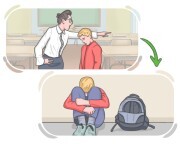
a type of punishment for students who have done something wrong and as a result, they cannot go home at the same time as others

벌, 감금

벌, 감금

Ex: He was assigned detention for being late to class three times in a row. 
닫기
로그인
principal
principal
[명사]

the person in charge of running a school

교장, 학교장

교장, 학교장

Ex: The principal greeted students at the front entrance of the school every morning. 
닫기
로그인
educator
educator
[명사]

someone whose job is to teach people

교육자, 교사

교육자, 교사

Ex: As an educator, she believes in fostering creativity and critical thinking in her students. 
닫기
로그인
janitor
janitor
[명사]

someone whose job is cleaning and taking care of a school or other building

관리인, 청소원

관리인, 청소원

Ex: The janitor works late hours to ensure the school is clean and ready for the next day. 
닫기
로그인
chair
chair
[명사]

the position that a university professor has

교수 직위, 교수 자리

교수 직위, 교수 자리

Ex: Dr. Smith was appointed chair of the English department after 20 years of distinguished teaching and research. 
닫기
로그인
dropout
dropout
[명사]

someone who leaves school or college before finishing their studies

중퇴자, 드롭아웃

중퇴자, 드롭아웃

Ex: Despite being a high school dropout, he went on to build a successful business. 
닫기
로그인
scholar
scholar
[명사]

someone who has a lot of knowledge about a particular subject, especially in the humanities

학자, 연구자

학자, 연구자

Ex: The conference featured a renowned scholar who spoke about ancient Greek philosophy. 
닫기
로그인
truant
truant
[명사]

a student who does not have permission for not attending school

무단 결석생, 허가 없이 학교에 결석하는 학생

무단 결석생, 허가 없이 학교에 결석하는 학생

Ex: The principal called the parents of the truant to discuss their child's repeated absences. 
닫기
로그인
to confer
to confer
[동사]

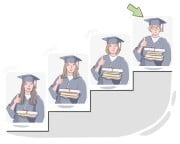
to give an official degree, title, right, etc. to someone

수여하다, 부여하다

수여하다, 부여하다

Ex: The university will confer degrees upon the graduating students during the commencement ceremony. 
닫기
로그인
to expel
to expel
[동사]

to force someone to leave a place, organization, etc.

추방하다, 제명하다

추방하다, 제명하다

Ex: The school decided to expel the student for repeated violations of the code of conduct. 
닫기
로그인
to skip
to skip
[동사]

to not do an activity on purpose, particularly one that one is supposed to do or usually does

건너뛰다, 생략하다

건너뛰다, 생략하다

Ex: Feeling under the weather, she decided to skip her morning workout routine. 
닫기
로그인
to flag
to flag
[동사]

to put or draw a mark on something in order to make it more noticeable

표시하다, 기록하다

표시하다, 기록하다

Ex: The supervisor asked the team to flag any errors in the report with a red highlight. 
닫기
로그인
dissertation
dissertation
[명사]

a long piece of writing on a particular subject that a university student presents in order to get an advanced degree

논문,  학위 논문

논문, 학위 논문

Ex: She spent months researching for her dissertation on climate change. 
닫기
로그인
doctorate
doctorate
[명사]

the highest degree given by a university

박사 학위, 박사 학위

박사 학위, 박사 학위

Ex: She earned her doctorate in physics from Harvard University. 
닫기
로그인
field day
field day
[명사]

a day on which no classes are held and students take part in sports games

운동회, 필드 데이

운동회, 필드 데이

Ex: The school organized a field day at the end of the semester to celebrate the students' hard work. 
닫기
로그인
field trip
field trip
[명사]

a trip made by researchers or students to learn more about something by being close to it

견학, 현장 학습

견학, 현장 학습

Ex: The class went on a field trip to the museum to learn about ancient civilizations. 
닫기
로그인
GRE
GRE
[명사]

a test that must be passed in the US by students who want to continue their education after their first degree

GRE, GRE 시험

GRE, GRE 시험

Ex: She spent months preparing for the GRE in order to apply to graduate school. 
닫기
로그인
cognitive
cognitive
[형용사]

referring to mental processes involved in understanding, thinking, and remembering

인지적인, 정신적인

인지적인, 정신적인

Ex: Cognitive therapy helps individuals recognize and change negative thought patterns. 
닫기
로그인
extracurricular
extracurricular
[형용사]

not included in the regular course of study at a college or school

과외의, 정규 과정 외의

과외의, 정규 과정 외의

Ex: She participated in several extracurricular activities, including the debate team and the school newspaper. 
닫기
로그인
intensive
intensive
[형용사]

involving a lot of effort, attention, and activity in a short period of time

집중적인, 심도 있는

집중적인, 심도 있는

Ex: The intensive training program prepared them for the upcoming competition in just two weeks. 
닫기
로그인
literate
literate
[형용사]

having the skills to read and write

글을 읽고 � 줄 아는, 교육을 받은

글을 읽고 � 줄 아는, 교육을 받은

Ex: She became literate at a young age and developed a lifelong love for reading. 
닫기
로그인
prestigious
prestigious
[형용사]

having a lot of respect, honor, and admiration in a particular field or society

명예로운,  존경받는

명예로운, 존경받는

Ex: Winning a Nobel Prize is considered one of the most prestigious achievements in academia. 
닫기
로그인
vocational
vocational
[형용사]

involving the necessary knowledge or skills for a certain occupation

직업의, 직업 훈련의

직업의, 직업 훈련의

Ex: Vocational training programs offer hands-on experience in various trades. 
닫기
로그인
syllabus
syllabus
[명사]

a document that outlines the topics, assignments, and expectations for a course

강의 계획서, 학습 계획

강의 계획서, 학습 계획

Ex: The syllabus for the English Literature course includes readings from classic novels, poetry, and drama. 
닫기
로그인
module
module
[명사]

a unit of study within a course offered by a college or university, covering a specific topic or area of study

모듈, 학습 단위

모듈, 학습 단위

Ex: The module on Shakespearean sonnets is part of the English Literature course. 
닫기
로그인
algebra
algebra
[명사]

a branch of mathematics in which abstract letters and symbols represent numbers in order to generalize the arithmetic

대수학

대수학

Ex: In high school, students typically begin studying algebra to learn about equations and variables. 
닫기
로그인
arithmetic
arithmetic
[명사]

a branch of mathematics that deals with addition, subtraction, multiplication, etc.

산수

산수

Ex: Students in elementary school learn basic arithmetic operations such as addition, subtraction, multiplication, and division. 
닫기
로그인
humanities
humanities
[명사]

studies that deal with people and their behavior such as language, philosophy, history, etc.

인문학, 인간과학

인문학, 인간과학

Ex: She decided to major in humanities to explore her interests in literature, history, and philosophy. 
닫기
로그인
residence hall

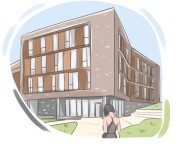
a college or university building in which students can reside

기숙사, 학생 숙소

기숙사, 학생 숙소

Ex: She lived in a residence hall during her freshman year of college. 
닫기
로그인
theology
theology
[명사]

the study of religions and faiths

신학, 종교학

신학, 종교학

Ex: She decided to study theology to better understand her faith. 
닫기
로그인
zoology
zoology
[명사]

a branch of science that deals with animals

동물학, 동물 과학

동물학, 동물 과학

Ex: She decided to major in zoology because of her fascination with animal behavior. 
닫기
로그인
SAT
SAT
[명사]

a test that high school students take before college or university in the US

SAT, SAT 시험

SAT, SAT 시험

Ex: She took the SAT exam in her junior year of high school as part of her college application process. 
닫기
로그인
AWOL
AWOL
[형용사]

(of a person) not attending a place one was supposed to or leaving an obligation without any notice or permission

무단결석, 말없이 사라짐

무단결석, 말없이 사라짐

Ex: He went AWOL after lunch and never came back to work. 
닫기
로그인
LanGeek
LanGeek 앱 다운로드