
Cambridge English: KET (A2 Key) - Pieniądze i Finanse Osobiste
Przegląd
Fiszki
formy
Pisownia
Test
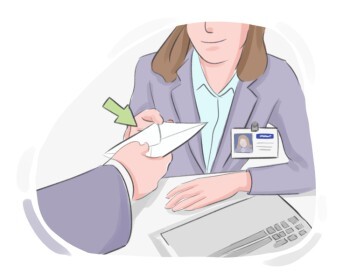
an amount of money we receive for doing our job, usually monthly

wynagrodzenie
Średnia pensja w tej branży wzrosła.
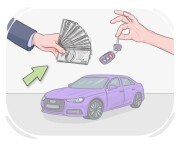
to use money as a payment for services, goods, etc.
wydawać, przeznaczać
On wydaje więcej niż powinien na jedzenie na mieście.
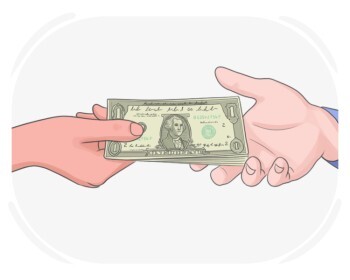
to give someone something, like money, expecting them to give it back after a while
pożyczać, wypożyczać
Biblioteka z przyjemnością wypożycza książki swoim członkom na określony okres.
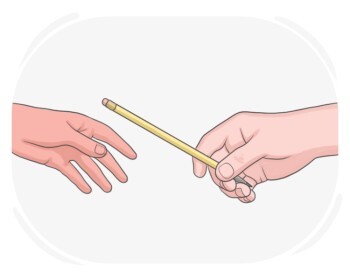
to use or take something belonging to someone else, with the idea of returning it
pożyczać, wypożyczać
Czy mógłbym pożyczyć twój samochód na szybką wyprawę do sklepu spożywczego?
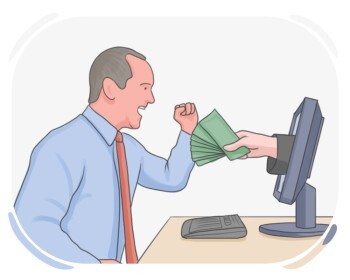
to get money for the job that we do or services that we provide
zarabiać, otrzymywać
Ona zarabia dodatkowe pieniądze, udzielając korepetycji w weekendy.
to require a particular amount of money
kosztować, warty
Bilety na koncert kosztują więcej niż się spodziewałem, ale wrażenia były tego warte.
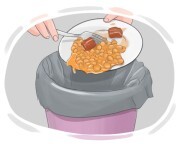
to use something without care or more than needed
marnować, trwonić
Zamiast recyklingu, zdecydował się zmarnować papier, wyrzucając go do zwykłych śmieci.

to keep money to spend later
oszczędzać, zachować
Do tej pory zaoszczędziłem około 300 dolarów na nowy laptop.
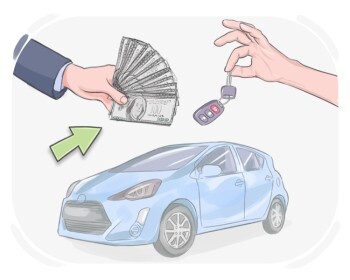
to give someone money in exchange for goods or services
płacić, wynagradzać
Zapłacili hydraulikowi za naprawę przecieku w kuchni.
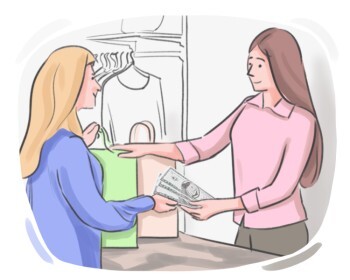
the money that is returned to us when we have paid more than the actual cost of something
reszta, drobne
Sprzedawca przeprosił za niedogodność i szybko wręczył mi prawidłową resztę, zdając sobie sprawę, że pobrał za dużo za przedmiot.
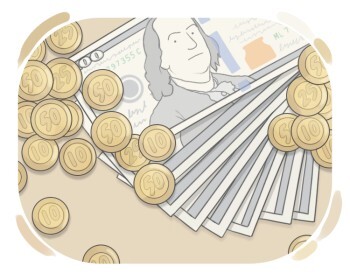
money in bills or coins, rather than checks, credit, etc.
gotówka, pieniądze gotówkowe
Kierowca taksówki nie akceptuje kart kredytowych, więc muszę mieć gotówkę.

a financial arrangement between a person and a bank that allows them to put money in and take money out whenever they need to
konto bankowe, rachunek bankowy
Naliczyli opłaty na jego konto bankowe za niewystarczające środki.

to be able to pay the cost of something
pozwolić sobie, mieć środki na
Celem jest zapewnienie sobie podstawowych potrzeb i wciąż mieć miejsce na oszczędności i zajęcia rekreacyjne.
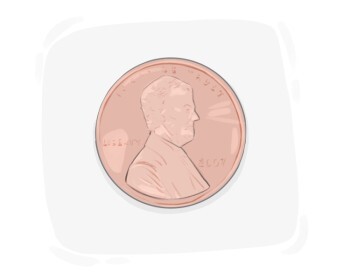
a unit of money in some countries, equal to one hundredth of a dollar or euro
cent
Opłata za parkowanie wynosi siedemdziesiąt pięć centów za każde pół godziny.
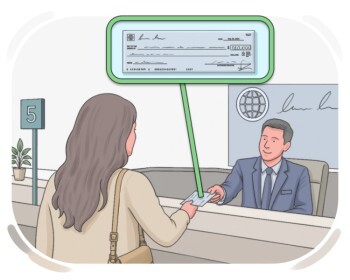
a piece of printed paper where one writes an amount of money and signs it, used as a form of payment instead of cash
czek
Sklep zaakceptował płatność czekiem, chociaż większość klientów wolała karty.
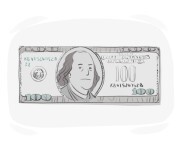
the unit of money in the US, Canada, Australia and several other countries, equal to 100 cents
dolar, banknot dolarowy
Nowa gra kosztuje sześćdziesiąt dolarów, ale czekam, aż będzie na wyprzedaży.
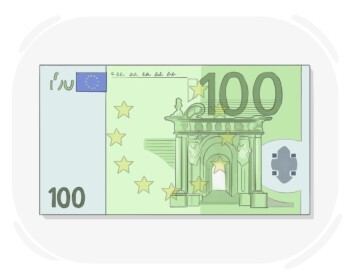
the money that most countries in Europe use
euro
Naszyjnik jest wyceniony na sto euro, ale jest bardzo piękny.
a fractional monetary unit of Ireland and the United Kingdom; equal to one hundredth of a pound
pens, grosz
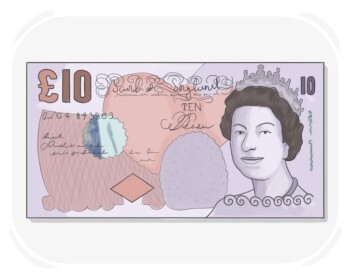
the currency of the UK and some other countries that is equal to 100 pence
funt
Pamiątka była trochę droga za piętnaście funtów.
| Cambridge English: KET (A2 Key) | |||
|---|---|---|---|
| Części Transportowe i Pojazdowe | Przysłówki Sposobu i Prędkości | Koncepcje Pracy i Zatrudnienia | Komunikacja |
| Cechy i opisy fizyczne | Uczucia i Emocje | Czas i Kolejność | Jednostki miary |
| Części Ciała i Narządy | Pieniądze i Finanse Osobiste | Zakupy | Teksty i Dokumenty |
