
Anglais de Cambridge : KET (A2 Key) - Argent et Finances Personnelles
Apprenez le vocabulaire du KET sur l'argent et les finances personnelles, y compris les prix, les espèces, les cartes, l'épargne, les dépenses, les paiements, les banques et les situations financières du quotidien.
Réviser
Flashcards
Orthographe
Quiz
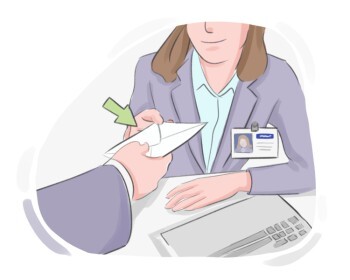
a fixed amount of money paid regularly to an employee for their work, usually expressed as an annual amount and paid monthly

salaire
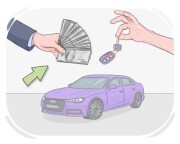
to use money as a payment for services, goods, etc.
dépenser
Je dois faire attention à ne pas dépenser trop pour des articles inutiles.
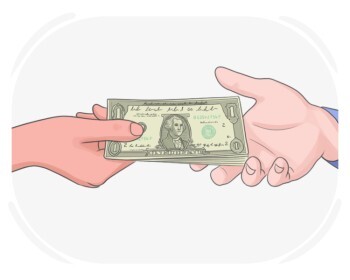
to give something to someone temporarily, expecting them to return it later
prêter
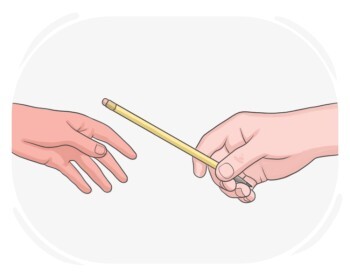
to use or take something belonging to someone else, with the idea of returning it
emprunter
L'entreprise a décidé d'emprunter des fonds à la banque pour financer le projet d'expansion.
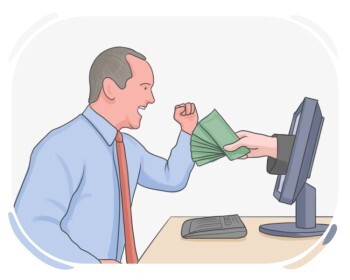
to get money for the job that we do or services that we provide
gagner,mériter
Il cherche un travail à temps partiel pour gagner un peu d'argent supplémentaire.
to require a particular amount of money
coûter
L'entretien régulier de la voiture coûte généralement environ 100 $ par mois.
to use something without care or more than needed
gaspiller, gâcher
C'est malheureux que certaines personnes gaspillent de l'électricité en laissant les lumières allumées quand elles ne sont pas nécessaires.

to keep money to spend later
économiser
Économiser de l'argent sur les dépenses quotidiennes peut vous aider à atteindre vos objectifs financiers.
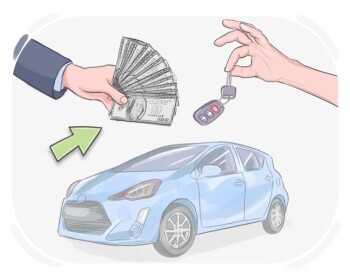
to give someone money in exchange for goods or services
payer
Pouvez-vous payer la baby-sitter quand nous rentrons à la maison ?
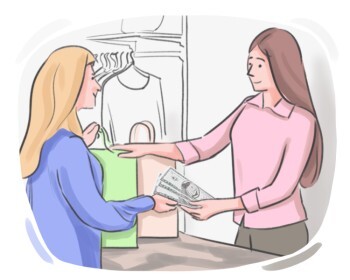
money returned to someone who has paid more than the price of something
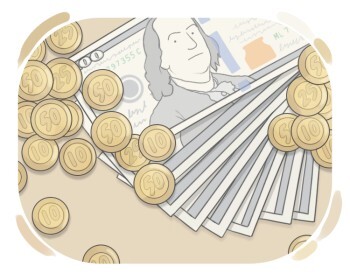
money in bills or coins, rather than checks, credit, etc.
espèces

a financial arrangement between a person and a bank that allows them to put money in and take money out whenever they need to
compte bancaire,compte en banque
Le solde du compte bancaire était plus élevé que prévu après le dépôt.

to be able to pay the cost of something
s'offrir, se payer, se permettre d'acheter
Établir un budget judicieusement aide les individus à se permettre le mode de vie qu'ils désirent sans dépenser excessivement.
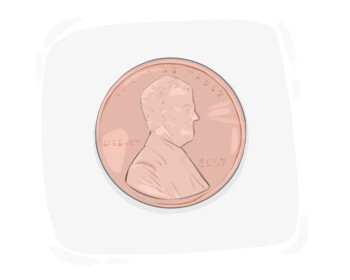
a unit of money in some countries, equal to one hundredth of a dollar or euro
cent
J'ai un bocal à la maison où je collectionne tous mes centimes de rechange.
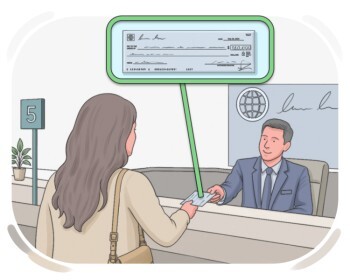
a piece of printed paper where one writes an amount of money and signs it, used as a form of payment instead of cash
chèque
Il a reçu un chèque comme cadeau d'anniversaire de ses grands-parents.
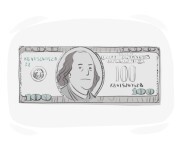
the unit of money in the US, Canada, Australia and several other countries, equal to 100 cents
dollar
Le livre que je veux coûte vingt-cinq dollars sur le site web de la librairie.
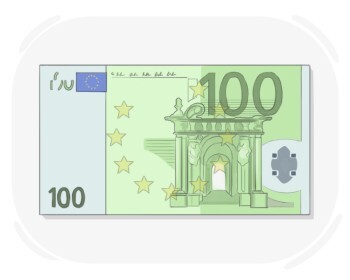
the money that most countries in Europe use
euro
Les billets de concert sont prix à trente euros chacun.
a British unit of money and coin worth one hundredth of a pound
penny, centime
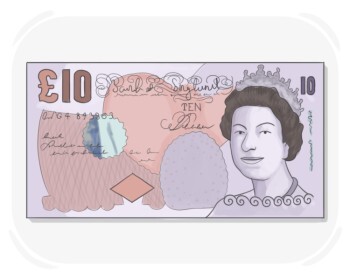
the currency of the UK and some other countries that is equal to 100 pence
pound
Le livre coûte cinq livres dans la librairie.
| Anglais de Cambridge : KET (A2 Key) | |||
|---|---|---|---|
| Pièces de Transport et de Véhicules | Adverbes de Manière et de Vitesse | Concepts de Travail et d'Emploi | Communication |
| Qualités et descriptions physiques | Sentiments et Émotions | Temps et Séquence | Unités de mesure |
| Parties du Corps et Organes | Argent et Finances Personnelles | Shopping | Textes et Documents |
