
Inglés de Cambridge: KET (A2 Key) - Dinero y Finanzas Personales
Aprende vocabulario del KET sobre el dinero y las finanzas personales, incluidos precios, efectivo, tarjetas, ahorro, gastos, pagos, bancos y situaciones financieras cotidianas.
Repasar
Tarjetas de memoria
Ortografía
Cuestionario
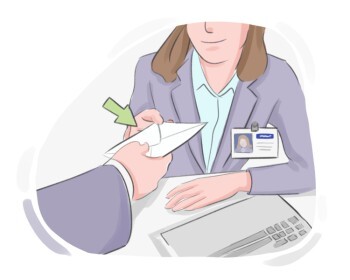
a fixed amount of money paid regularly to an employee for their work, usually expressed as an annual amount and paid monthly

salario
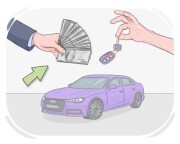
to use money as a payment for services, goods, etc.
gastar
Preguntó cuánto había gastado en las entradas del concierto.
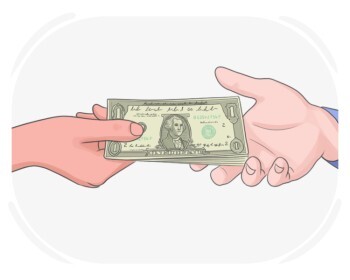
to give something to someone temporarily, expecting them to return it later
prestar, dejar
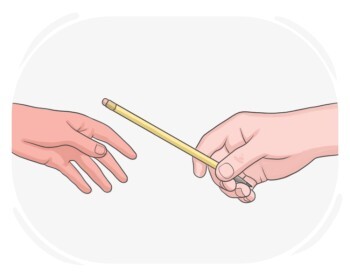
to use or take something belonging to someone else, with the idea of returning it
pedir prestado
Le pidió pedir prestado un bolígrafo a su compañero de clase durante el examen.
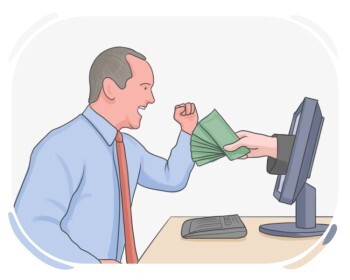
to get money for the job that we do or services that we provide
ganar,obtener
Muchos artistas ganan su sustento vendiendo sus obras de arte en línea.
to require a particular amount of money
costar
El año pasado, la renovación de la casa les costó una parte significativa de sus ahorros.
to use something without care or more than needed
malgastar
En lugar de reciclar, eligió desperdiciar papel tirándolo a la basura normal.

to keep money to spend later
ahorrar
He ahorrado lo suficiente para cubrir mi fondo de emergencia.
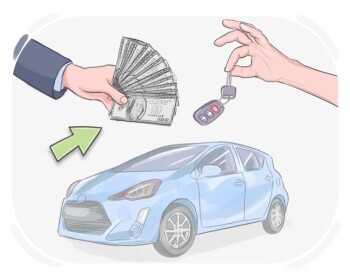
to give someone money in exchange for goods or services
pagar
Él pagó el servicio de limpieza para ordenar la casa.
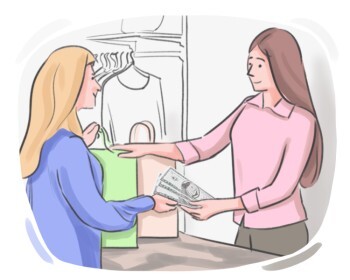
money returned to someone who has paid more than the price of something
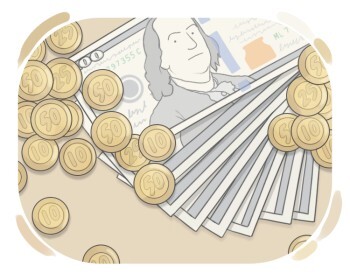
money in bills or coins, rather than checks, credit, etc.
efectivo
Ella pagó los comestibles en efectivo.

a financial arrangement between a person and a bank that allows them to put money in and take money out whenever they need to
cuenta bancaria,cuenta de banco
Él transfirió dinero de sus ahorros a su cuenta bancaria corriente.

to be able to pay the cost of something
permitirse
Los individuos pueden permitirse la educación a través de varias estrategias de planificación financiera.
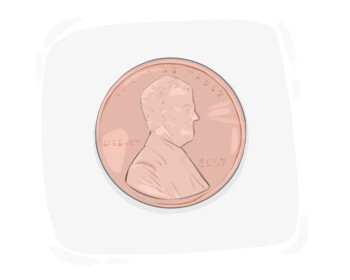
a unit of money in some countries, equal to one hundredth of a dollar or euro
centavo, céntimo
El caramelo cuesta cincuenta centavos en la tienda de la esquina.
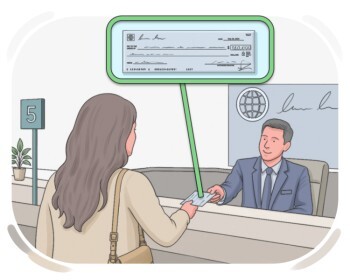
a piece of printed paper where one writes an amount of money and signs it, used as a form of payment instead of cash
cheque
El evento benéfico recaudó fondos a través de donaciones hechas por cheque.
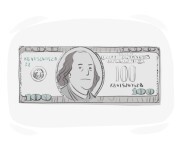
the unit of money in the US, Canada, Australia and several other countries, equal to 100 cents
dólar
Las entradas para el concierto costaban ochenta dólares cada una.
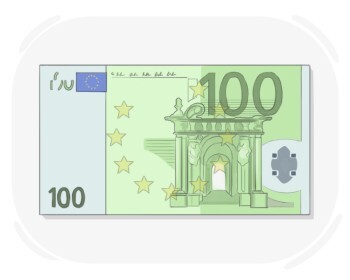
the money that most countries in Europe use
euro
La entrada al parque de atracciones es de seis euros para los niños.
a British unit of money and coin worth one hundredth of a pound
penique, centavo
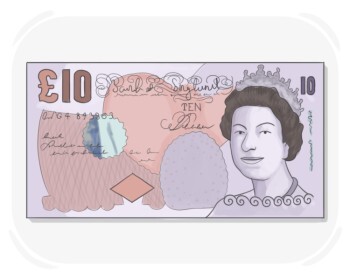
the currency of the UK and some other countries that is equal to 100 pence
libra
La comida nos costó veinticinco libras a cada uno.
