
500 Najczęstszych Angielskich Czasowników - Top 401 - 425 Czasowników
Tutaj otrzymujesz część 17 listy najczęściej używanych czasowników w języku angielskim, takich jak "zablokować", "wspinać się" i "gryźć".
Przegląd
Fiszki
formy
Pisownia
Test
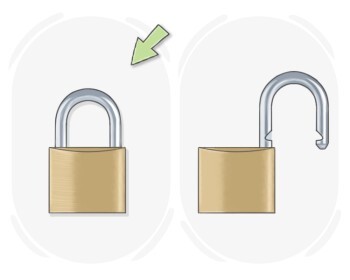
to secure something with a lock or seal

zamknąć na klucz, zablokować
Ona każdej nocy zamyka drzwi wejściowe przed pójściem spać.
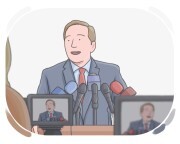
to officially tell people something
ogłaszać, deklarować
Po przeliczeniu głosów komisja wyborcza ogłosiła ostateczne wyniki wyborów.

to focus one's all attention on something specific
skoncentrować się, skupić się
Skoncentrowała się na rozwiązaniu zadania matematycznego, blokując hałas w tle w klasie.
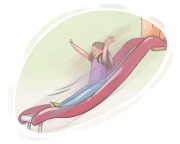
to move smoothly over a surface
ślizgać się, zjeżdżać
Narciarz cieszył się uczuciem zjeżdżania po zaśnieżonym wzgórzu z dużą prędkością.
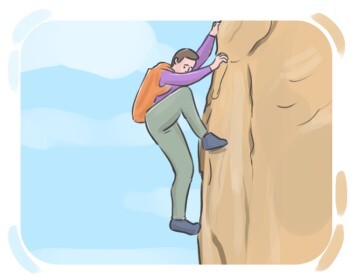
to go up mountains, cliffs, or high natural places as a sport
wspinać się, wchodzić
Pomimo wyczerpania, nadal wspinają się, zdeterminowani, aby dotrzeć na szczyt.
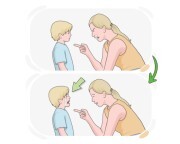
to act or behave in a particular way in response to something
reagować, odpowiadać
Kierowcy muszą być przygotowani do reagowania na nagłe zmiany warunków ruchu, aby uniknąć wypadków na drodze.
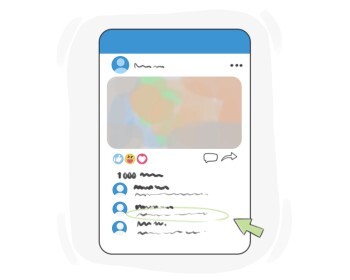
to express one's opinion about something or someone
komentować
Po przeczytaniu artykułu postanowiła skomentować perspektywę autora i dodać własne spostrzeżenia.
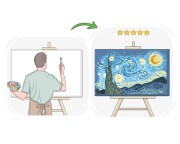
to change the appearance, character, or nature of a person or object
przekształcać, zmieniać
Program szkoleniowy ma na celu przekształcenie początkujących w wykwalifikowanych profesjonalistów.
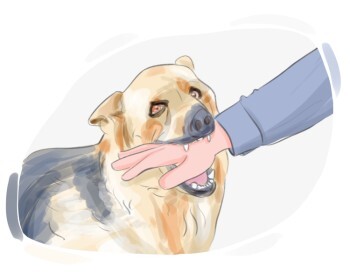
to cut into flesh, food, etc. using the teeth
gryźć, żuć
Maluch próbował ugryźć soczyste jabłko, ale struggled ze swoimi małymi zębami.
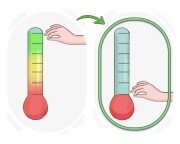
to decrease in degree, amount, quality, or strength
obniżać, zmniejszać
Z każdą upływającą godziną jej poziom energii zaczynał spadać, sygnalizując potrzebę odpoczynku.

to make or design something that did not exist before
wynaleźć, stworzyć
Innowacyjni myśliciele dążą do wynalezienia nowych pomysłów, które przesuwają granice możliwości.

to be able to pay the cost of something
pozwolić sobie, mieć środki na
Celem jest zapewnienie sobie podstawowych potrzeb i wciąż mieć miejsce na oszczędności i zajęcia rekreacyjne.

to look at someone or something without moving the eyes or blinking, usually for a while, and often without showing any expression
wpatrywać się, gapić się
Kiedy byłem w poczekalni, wpatrywałem się w zegar.
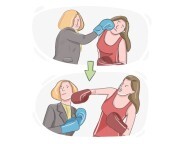
to use force to prevent something from happening or to fight against an attack
opierać się, stawiać opór
Piesowi udało się oprzeć przygnieceniu przez większe zwierzę, pokazując swoją siłę i determinację w walce.

to finish a university, college, etc. study course successfully and receive a diploma or degree
ukończyć studia, otrzymać dyplom
Ona planuje wcześnie ukończyć studia, aby mogła rozpocząć karierę.
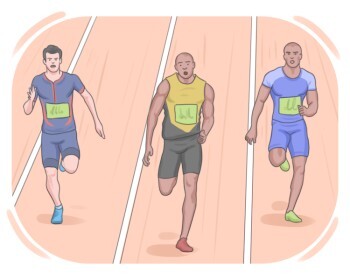
to join in a contest or game
rywalizować, uczestniczyć
Kilka firm konkuruje o kontrakt.
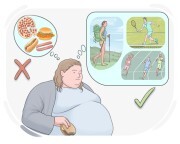
to stop engaging in an activity permanently
zaprzestać, porzucić
Ona przestała martwić się rzeczami, których nie mogła kontrolować i skupiła się na tym, co mogła zmienić.
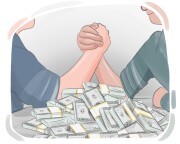
to risk money on the result of a coming event by trying to predict it
stawiać, zakładać się
Wielu entuzjastów stawia na wyścigi konne.

to let someone have something, especially something that they have requested
przyznawać, udzielać
Nauczyciel zdecydował się przyznać dodatkowy czas uczniom na ukończenie ich zadań.
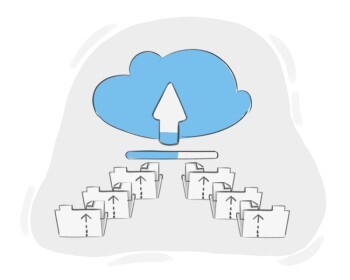
to send an electronic file such as a document, image, etc. from one digital device to another one, often by using the Internet
wgrać, wysłać
Strona internetowa umożliwia użytkownikom przesyłanie własnych filmów i udostępnianie ich innym.
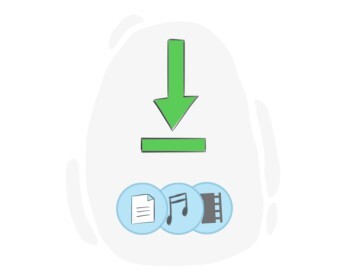
to add data to a computer from the Internet or another computer
pobrać, ściągać
Strona internetowa umożliwia użytkownikom pobieranie darmowej muzyki.

to move or act very quickly
spieszyć się, pędzić
Widząc nadciągającą burzę, plażowicze postanowili pospiesznie wrócić do swoich samochodów.
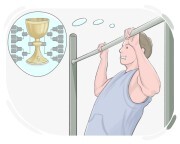
to have something in mind as a plan or purpose
zamierzać, planować
Firma zamierza wprowadzić nową linię produktów w przyszłym roku.

to achieve something after dealing with the difficulties
osiągać, realizować
Dzięki ciężkiej pracy i wytrwałości zrealizowała swoje marzenie o rozpoczęciu własnego biznesu.
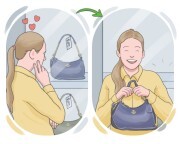
to get goods or services in exchange for money or other forms of payment
kupować, nabywać
Organizacja obecnie kupuje nowe oprogramowanie w celu zwiększenia efektywności.
