
pattern

Umiejętności Słowne SAT 1 - Lekcja 24

Przegląd

Fiszki

Pisownia

Test

Zacznij naukę
SAT Word Skills 1
ordinal
ordinal
[przymiotnik]

denoting the position of something in a sequence or order

porządkowy, liczebnik porządkowy

porządkowy, liczebnik porządkowy

Ex: He finished in first ordinal place. 
ordinance
ordinance
[Rzeczownik]

an authoritative or established rule, often issued by a governing body

zarządzenie, rozporządzenie

zarządzenie, rozporządzenie

Ex: Residents were asked to comply with the water conservation ordinance during the drought. 
ordinate
ordinate
[Rzeczownik]

(of quantity or measurement) the vertical coordinate or value on a graph

rzędna, współrzędna pionowa

rzędna, współrzędna pionowa

Ex: The ordinate showed a significant increase in sales during the holiday season. 
ordnance
ordnance
[Rzeczownik]

military materials such as weapons, ammunition, and equipment

amunicja,  uzbrojenie

amunicja, uzbrojenie

Ex: The military base had a vast storage facility for its ordnance, ensuring readiness for any potential conflicts. 
to acknowledge
to acknowledge
[Czasownik]

to openly accept something as true or real

uznawać, przyznawać

uznawać, przyznawać

Ex: For the therapy to be effective, one must first acknowledge their feelings and emotions. 
acknowledgment
acknowledgment
[Rzeczownik]

a statement or gesture confirming receipt or recognition of something or someone

uznanie, potwierdzenie odbioru

uznanie, potwierdzenie odbioru

Ex: The author included an acknowledgment to those who inspired him at the beginning of his novel. 
dissension
dissension
[Rzeczownik]

disagreement or conflict within a group expected to collaborate

niezgoda,  konflikt

niezgoda, konflikt

Ex: The coach's challenge was not just training the team but also managing the dissension among players. 
to dissent
to dissent
[Czasownik]

to give or have opinions that differ from those officially or commonly accepted

sprzeciwiać się, mieć odmienne zdanie

sprzeciwiać się, mieć odmienne zdanie

Ex: She was known to often dissent during meetings, always challenging the prevailing views. 
dissentient
dissentient
[przymiotnik]

differing from and disagreeing with the views of the majority

niezgodny, dysydencki

niezgodny, dysydencki

Ex: The conference mainly had a unified view, but a few dissentient attendees sparked heated debates. 
dissentious
dissentious
[przymiotnik]

having or expressing a different opinion, especially one that goes against the majority

niezgodny,  opozycyjny

niezgodny, opozycyjny

Ex: The team had a clear strategy, but one dissentious player suggested a completely different approach. 
infirmary
infirmary
[Rzeczownik]

a facility within an institution, such as a school or hospital, where medical treatment and care are provided to patients who are ill or injured

izba chorych, przychodnia

izba chorych, przychodnia

Ex: The old infirmary building, once buzzing with activity, had been converted into a modern health center. 
infirmity
infirmity
[Rzeczownik]

the state of being weak and unhealthy, especially due to old age or sickness

niedołężność, słabość

niedołężność, słabość

Ex: Mental infirmity can be as debilitating as physical ailments, affecting one's quality of life. 
plural
plural
[przymiotnik]

(grammar) describing words that are indicating the presence of more than one person or thing

liczba mnoga, liczby mnogie

liczba mnoga, liczby mnogie

Ex: In English, when you add an "s" to most nouns, it turns them into their plural form. 
plurality
plurality
[Rzeczownik]

a large number of something

pluralność, mnogość

pluralność, mnogość

Ex: The plurality of options available made it hard for her to decide. 
to eulogize
to eulogize
[Czasownik]

to praise highly, especially in a formal speech or writing

wychwalać, wysławiać

wychwalać, wysławiać

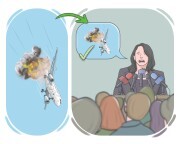
Ex: The teacher was eulogized by her students for her unwavering dedication and commitment to their education. 
eulogy
eulogy
[Rzeczownik]

a speech or written tribute, especially one commemorating someone who has died

mowa pochwalna, mowa pogrzebowa

mowa pochwalna, mowa pogrzebowa

Ex: The family asked her to write a eulogy for her grandmother, remembering all the good times they shared. 
hedonism
hedonism
[Rzeczownik]

the pursuit of pleasure as a guiding principle or way of life

hedonizm, hedonizm

hedonizm, hedonizm

Ex: Modern culture often celebrates hedonism through excess and indulgence. 
hedonist
hedonist
[Rzeczownik]

an individual who acts according to the belief that pursuing pleasure is of the highest importance in life

hedonista

hedonista

Ex: The hedonist lived each day seeking out new experiences and pleasures. 
hedonistic
hedonistic
[przymiotnik]

focused on seeking pleasure and self-indulgence

hedonistyczny,  rozkoszujący się

hedonistyczny, rozkoszujący się

Ex: During his youth, he led a hedonistic lifestyle, but as he aged, he began to seek deeper meanings. 
LanGeek
Pobierz aplikację LanGeek