

denoting the position of something in a sequence or order

ordinal
Les dates sont listées dans l'ordre ordinal.
an authoritative or established rule, often issued by a governing body
ordonnance
Le roi a émis une nouvelle ordonnance réglementant le commerce.
(of quantity or measurement) the vertical coordinate or value on a graph
ordonnée
Pour chaque point du graphique, l'ordonnée indique sa hauteur par rapport à la ligne de base.
military materials such as weapons, ammunition, and equipment
équipement militaire, munitions
Une partie importante du budget de la défense est allouée à l'acquisition et à la maintenance des munitions.
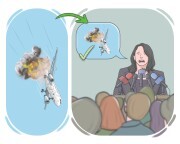
to openly accept something as true or real
reconnaître
Malgré les preuves accablantes, elle ne voulait pas reconnaître son erreur.
a statement or gesture confirming receipt or recognition of something or someone
reconnaissance
Chaque don, aussi petit soit-il, reçoit un accusé de réception de la part de l'organisme de bienfaisance.
disagreement or conflict within a group expected to collaborate
dissension
Le parti politique, autrefois uni, était maintenant déchiré par la dissension et les luttes intestines.
to give or have opinions that differ from those officially or commonly accepted
diverger de, différer de
Beaucoup dans la communauté ont exprimé leur désaccord lorsque la ville a proposé de construire une nouvelle autoroute à travers le parc.
differing from and disagreeing with the views of the majority
dissident
Certains films, bien que populaires auprès du public, ont souvent des critiques dissidents qui les voient sous un jour différent.
having or expressing a different opinion, especially one that goes against the majority
clivant
Lors de la réunion publique, Mark était la voix dissidente, plaidant pour une solution alternative.
a facility within an institution, such as a school or hospital, where medical treatment and care are provided to patients who are ill or injured
infirmerie
Sarah se portait volontaire à l'infirmerie locale chaque week-end, aidant les infirmières dans les tâches de base.
the state of being weak and unhealthy, especially due to old age or sickness
infirmité
Après l'accident, il a lutté contre une infirmité physique qui l'obligeait à utiliser une canne.

(grammar) describing words that are indicating the presence of more than one person or thing
pluriel
Dans les leçons de grammaire, on enseigne souvent aux élèves la différence entre les noms singulier et pluriel.
a large number of something
pluralité
La pluralité des étoiles dans le ciel nocturne a toujours fasciné les astronomes.
to praise highly, especially in a formal speech or writing
faire l'éloge
La communauté s'est rassemblée pour élogier le héros local qui a sauvé de nombreuses vies.
a speech or written tribute, especially one commemorating someone who has died
éloge
L'éloge qu'il a prononcé aux funérailles de son père a fait venir les larmes aux yeux de tout le monde.
the pursuit of pleasure as a guiding principle or way of life
hédonisme
Son mode de vie de voyages constants et de gastronomie fine reflétait un pur hédonisme.
an individual who acts according to the belief that pursuing pleasure is of the highest importance in life
hédoniste
Elle se considérait comme une hédoniste, privilégiant toujours le plaisir au devoir.
focused on seeking pleasure and self-indulgence
hédoniste
Elle a cédé à ses tendances hédonistes pendant ses vacances, profitant de chaque luxe offert.
