


pattern

Dovednosti s SAT Slovy 1 - Lekce 24

Revize

Kartičky

Pravopis

Kvíz

Začněte se učit
SAT Word Skills 1
ordinal
ordinal
[Přídavné jméno]

denoting the position of something in a sequence or order

řadový, řadová číslovka

řadový, řadová číslovka

Ex: The winners were announced in ordinal sequence. 

Vítězové byli oznámeni v ordinální posloupnosti.

ordinance
ordinance
[Podstatné jméno]

an authoritative or established rule, often issued by a governing body

nařízení, vyhláška

nařízení, vyhláška

Ex: Residents were asked to comply with the water conservation ordinance during the drought. 

Obyvatelé byli požádáni, aby během sucha dodržovali nařízení o úsporách vody.

ordinate
ordinate
[Podstatné jméno]

(of quantity or measurement) the vertical coordinate or value on a graph

ordináta, vertikální souřadnice

ordináta, vertikální souřadnice

Ex: The ordinate showed a significant increase in sales during the holiday season. 

Ordináta ukázala významný nárůst prodejů během sváteční sezóny.

ordnance
ordnance
[Podstatné jméno]

military materials such as weapons, ammunition, and equipment

munice,  výzbroj

munice, výzbroj

Ex: The military base had a vast storage facility for its ordnance, ensuring readiness for any potential conflicts. 

Vojenská základna měla rozsáhlé skladovací zařízení pro svou výzbroj, což zajišťovalo připravenost na případné konflikty.
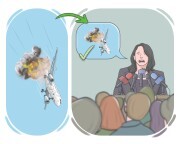
to acknowledge

to openly accept something as true or real

uznat, přiznat

uznat, přiznat

Ex: For the therapy to be effective, one must first acknowledge their feelings and emotions. 

Aby byla terapie účinná, je třeba nejprve uznat své pocity a emoce.

acknowledgment
acknowledgment
[Podstatné jméno]

a statement or gesture confirming receipt or recognition of something or someone

uznání, potvrzení o přijetí

uznání, potvrzení o přijetí

Ex: The author included an acknowledgment to those who inspired him at the beginning of his novel. 

Autor na začátku svého románu zahrnul poděkování těm, kteří ho inspirovali.

dissension
dissension
[Podstatné jméno]

disagreement or conflict within a group expected to collaborate

nesvár,  nesouhlas

nesvár, nesouhlas

Ex: The coach's challenge was not just training the team but also managing the dissension among players. 

Výzvou trenéra nebylo jen trénovat tým, ale také zvládnout nesvár mezi hráči.

to dissent
to dissent
[sloveso]

to give or have opinions that differ from those officially or commonly accepted

nesouhlasit, mít odlišný názor

nesouhlasit, mít odlišný názor

Ex: Students are encouraged to dissent respectfully and engage in constructive debate in the classroom. 

Studenti jsou povzbuzováni k tomu, aby nesouhlasili s respektem a zapojili se do konstruktivní debaty ve třídě.

dissentient
dissentient
[Přídavné jméno]

differing from and disagreeing with the views of the majority

nesouhlasný, disidentský

nesouhlasný, disidentský

Ex: The conference mainly had a unified view, but a few dissentient attendees sparked heated debates. 

Konference měla převážně jednotný pohled, ale několik nesouhlasných účastníků vyvolalo vášnivé debaty.

dissentious
dissentious
[Přídavné jméno]

having or expressing a different opinion, especially one that goes against the majority

nesouhlasný,  opoziční

nesouhlasný, opoziční

Ex: The team had a clear strategy, but one dissentious player suggested a completely different approach. 

Tým měl jasnou strategii, ale jeden nesouhlasný hráč navrhl zcela odlišný přístup.

infirmary
infirmary
[Podstatné jméno]

a facility within an institution, such as a school or hospital, where medical treatment and care are provided to patients who are ill or injured

ošetřovna, dispenzár

ošetřovna, dispenzár

Ex: The old infirmary building, once buzzing with activity, had been converted into a modern health center. 

Stará budova nemocnice, kdysi plná života, byla přeměněna na moderní zdravotní středisko.

infirmity
infirmity
[Podstatné jméno]

the state of being weak and unhealthy, especially due to old age or sickness

slabost, nemoc

slabost, nemoc

Ex: Mental infirmity can be as debilitating as physical ailments, affecting one's quality of life. 

Slabost duševní může být stejně oslabující jako fyzické neduhy, ovlivňující kvalitu života.
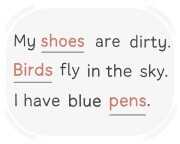
plural
plural
[Přídavné jméno]

(grammar) describing words that are indicating the presence of more than one person or thing

množné číslo, množná čísla

množné číslo, množná čísla

Ex: She learned the plural forms of irregular nouns in her language lesson. 

Naučila se množná čísla nepravidelných podstatných jmen ve své jazykové lekci.

plurality
plurality
[Podstatné jméno]

a large number of something

pluralita, množství

pluralita, množství

Ex: The plurality of options available made it hard for her to decide. 

Množství dostupných možností jí ztížilo rozhodování.

to eulogize
to eulogize
[sloveso]

to praise highly, especially in a formal speech or writing

chválit, velebit

chválit, velebit

Ex: She eulogized her mentor during the retirement party, expressing gratitude for the guidance and support over the years. 

Vychvalovala svého mentora během odchodové oslavy, vyjadřujíc vděčnost za vedení a podporu v průběhu let.

eulogy
eulogy
[Podstatné jméno]

a speech or written tribute, especially one commemorating someone who has died

chvalořeč, pohřební řeč

chvalořeč, pohřební řeč

Ex: The minister delivered a heartfelt eulogy that honored the deceased’s life and achievements. 

Ministr pronesl upřímný projev na počest zemřelého, který uctil život a úspěchy zesnulého.

hedonism
hedonism
[Podstatné jméno]

the pursuit of pleasure as a guiding principle or way of life

hedonismus, hedonismus

hedonismus, hedonismus

Ex: The festival was an expression of carefree hedonism. 

Festival byl vyjádřením bezstarostného hedonismu.

hedonist
hedonist
[Podstatné jméno]

an individual who acts according to the belief that pursuing pleasure is of the highest importance in life

hedonista

hedonista

Ex: He was known as a hedonist, always choosing the most pleasurable path. 

Byl znám jako hedonista, vždy volil nejpříjemnější cestu.

hedonistic
hedonistic
[Přídavné jméno]

focused on seeking pleasure and self-indulgence

hedonistický,  rozkošnický

hedonistický, rozkošnický

Ex: During his youth, he led a hedonistic lifestyle, but as he aged, he began to seek deeper meanings. 

Během svého mládí vedl hedonistický životní styl, ale jak stárl, začal hledat hlubší významy.

LanGeek
Stáhnout aplikaci LanGeek