
Książka Solutions - Średnio zaawansowany niższy - Jednostka 1 - 1G
Tutaj znajdziesz słownictwo z Unit 1 - 1G w podręczniku Solutions Pre-Intermediate, takie jak "reagować", "zainteresowanie", "denerwujący" itp.
Przegląd
Fiszki
formy
Pisownia
Test

used when naming, or giving description or information about people, things, or situations

być, znajdować się
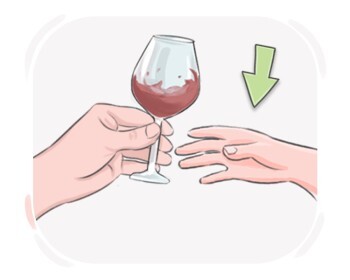
to receive or come to have something
otrzymywać, zdobywać

to become knowledgeable or skilled in something by doing it, studying, or being taught
uczyć się, studiować

to have very strong feelings for someone or something that is important to us and we like a lot and want to take care of
kochać, uwielbiać

to use money as a payment for services, goods, etc.
wydawać, przeznaczać

to look at a thing or person and pay attention to it for some time
oglądać, obserwować
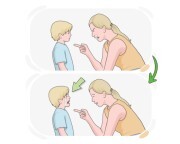
to behave, feel, or respond in a particular way because of something that has happened or been said
reagować, zareagować
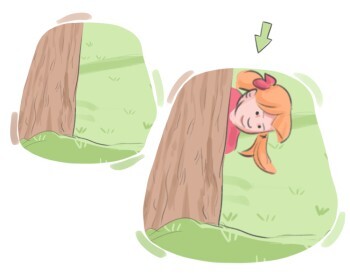
to make something visible or noticeable
pokazać, zaprezentować
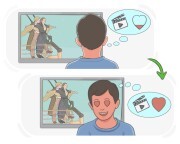
the desire to find out or learn more about a person or thing
zainteresowanie

making us feel tired and unsatisfied because of not being interesting
nudny, męczący
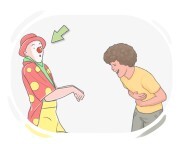
able to make people laugh
zabawny, śmieszny

causing feelings of disappointment or annoyance by stopping someone from achieving their desires or goals
frustrujący, irytujący
Ciągłe przerwy podczas jego prezentacji były bardzo frustrujące.

making us feel interested, happy, and energetic
ekscytujący, pasjonujący
Mecz piłki nożnej był bardzo ekscytujący, obie drużyny strzeliły w ostatnich minutach.
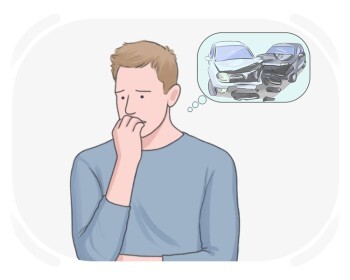
causing sadness, anger, or concern
przygnębiający, niepokojący
Przygnębiająca wiadomość o wypadku pozostawiła wszystkich wstrząśniętych i zaniepokojonych.

worthy of being approved or admired
wspaniały, świetny
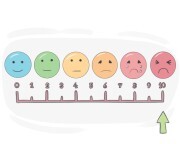
extremely bad or unpleasant
straszny, okropny
Film otrzymał straszne recenzje od krytyków z powodu słabej fabuły i gry aktorskiej.
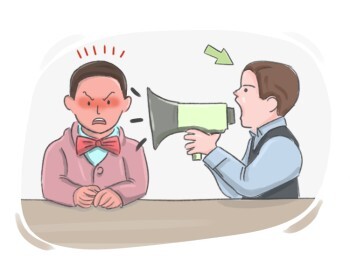
causing slight anger
denerwujący, irytujący
Denerwujące opóźnienie w transporcie publicznym sprawiło, że dojeżdżający spóźnili się do pracy.
causing a person to become filled with fear
przerażający, straszny
Bycie ściganym przez stado wilków było przerażającym doświadczeniem; czułem, jak moje serce bije w piersi ze strachu.
