
Książka Solutions - Zaawansowany - Jednostka 7 - 7H
Tutaj znajdziesz słownictwo z Unitu 7 - 7H w podręczniku Solutions Advanced, takie jak "kolizja", "diversion", "korek" itp.
Przegląd
Fiszki
formy
Pisownia
Test
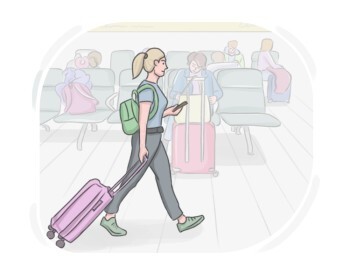
the act of going to a different place, usually a place that is far

podróż
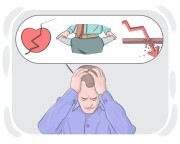
something that causes difficulties and is hard to overcome
problem, trudność
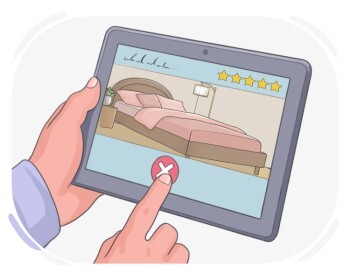
the act of stopping a planned event from happening or an order for something from being completed
anulowanie, odwołanie
Odwołanie spotkania pozostawiło wszystkich z dodatkowym czasem w ich harmonogramach.

an accident that occurs when two or more objects, often in motion, come into violent contact with each other, resulting in damage or destruction
kolizja, wypadek
Policja zbadała kolizję na skrzyżowaniu, która spowodowała korek.
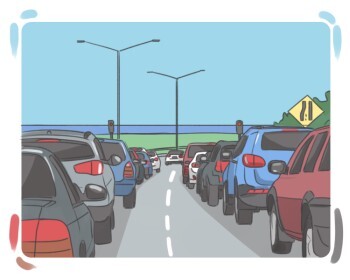
a state of being overcrowded or blocked, particularly in a street or road
zatłoczenie, korek
Władze pracowały nad złagodzeniem zatłoczenia w pobliżu ruchliwego skrzyżowania.
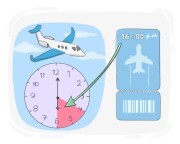
the act of postponing or putting off something that was scheduled or expected to happen at a particular time
opóźnienie, odroczenie
a change in the normal route or path, often due to roadworks, accidents, or other disruptions
objazd, zmiana trasy
Objazd zaprowadził nas do małej wioski, której nie planowaliśmy odwiedzać.
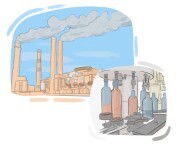
related to the manufacturing or production of goods on a large scale
przemysłowy, industrialny
Rewolucja przemysłowa przekształciła społeczeństwo poprzez mechanizację produkcji i zwiększenie wydajności.
the process of doing something, often requiring effort, with a specific purpose or goal in mind
działanie, środek
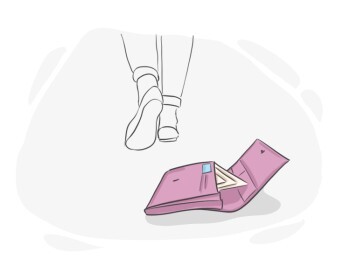
missing and unable to be found
zgubiony, zaginiony
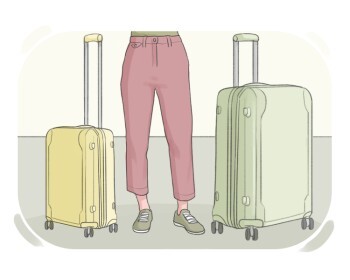
suitcases, bags, etc. to keep one's clothes and other belongings while traveling
bagaż, walizki
Walczył, by przenieść cały swój bagaż po schodach hotelowych.
a situation in which traffic is so heavily congested that movement is virtually impossible
korek uliczny, zator drogowy
Główne drogi były w korku z powodu koncertu, żaden samochód nie mógł się poruszać.
relating to machines, engines, or their operation, design, and repair
mechaniczny, mechaniczna
a flaw, defect, or imperfection in a physical object or machine
wada, usterka
to be filled with more people or things than is comfortable, safe, or desirable
przepełniać, zatłaczać
Mała kawiarnia była przepełniona, i nie było wolnych stolików.
a collision or accident in which several vehicles or objects crash into each other in quick succession
karambol, zderzenie wielowozowe
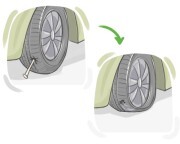
to cause a sudden loss of air or pressure in something, such as a tire or inflatable object
przebić, przedziurawić
Droga zanieczyszczenia przebiły oponę, prowadząc do powolnego spuszczania powietrza, gdy powietrze wyciekało.
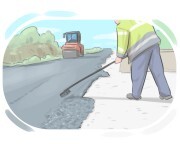
the work that is done to build or repair a road
roboty drogowe
Znaki ostrzegające przed pracami drogowymi zostały umieszczone, aby ostrzec kierowców o konieczności zwolnienia i zachowania ostrożności.
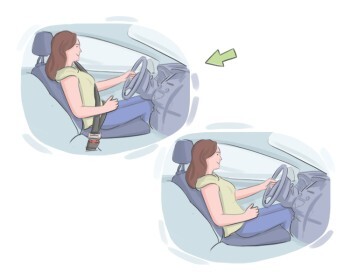
the state of being protected or having protection against any types of danger
bezpieczeństwo
a warning or notice that draws attention to a possible danger, problem, or important situation
ostrzeżenie
a long line of vehicles or people waiting or moving slowly, typically due to traffic congestion or a blockage
korek, kolejka pojazdów
Mecz piłki nożnej spowodował korek samochodów, gdy fani próbowali opuścić stadion.
instability and sudden changes in the movement of water or air
turbulencja, zawirowanie
Nagła turbulencja sprawiła, że lot był wyboisty, ale załoga zapewniła wszystkich, że to normalna część latania.
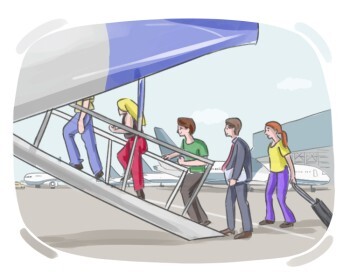
to get on a means of transportation such as a train, bus, aircraft, ship, etc.
wsiadać, wchodzić
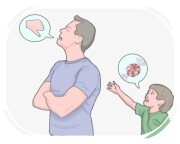
to reject an offer, request, or invitation
odmówić, odrzucić
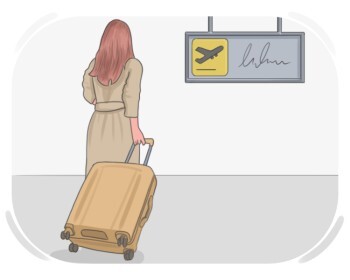
to leave a place, especially to begin a journey
wyjeżdżać, odjeżdżać
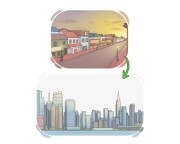
to change and become stronger or more advanced
rozwijać, ewoluować
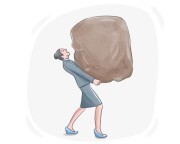
to make a serious or determined effort to do or achieve something
starać się
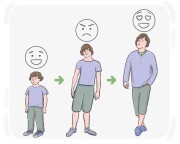
to personally be involved in and understand a particular situation, event, etc.
doświadczać, przeżywać
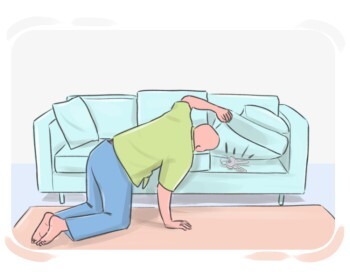
to discover the exact position or place of something or someone
zlokalizować, znaleźć
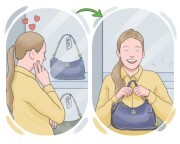
to get goods or services in exchange for money or other forms of payment
kupować, nabywać
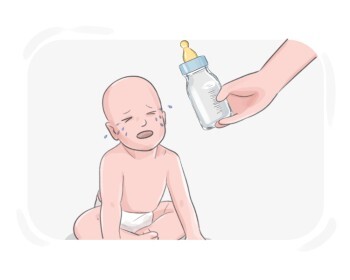
to need or demand something as necessary for a particular purpose or situation
wymagać, żądać
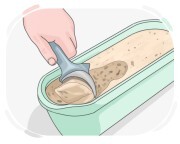
to remove something from a specific location or situation
usunąć, wycofać
| Książka Solutions - Zaawansowany | |||
|---|---|---|---|
| Jednostka 7 - 7H | Jednostka 8 - 8A | Jednostka 8 - 8C | Jednostka 8 - 8E |
| Jednostka 8 - 8F | Jednostka 9 - 9A | Jednostka 9 - 9C | Jednostka 9 - 9D |
| Jednostka 9 - 9E | Jednostka 9 - 9F | Jednostka 9 - 9G | |
