
Solutions - Advanced - Unit 7 - 7H
Here you will find the vocabulary from Unit 7 - 7H in the Solutions Advanced coursebook, such as "collision", "diversion", "gridlock", etc.
Review
Flashcards
Forms
Spelling
Quiz
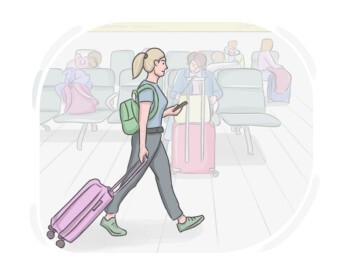
the act of going to a different place, usually a place that is far
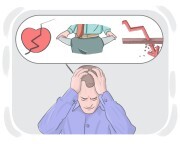
something that causes difficulties and is hard to overcome
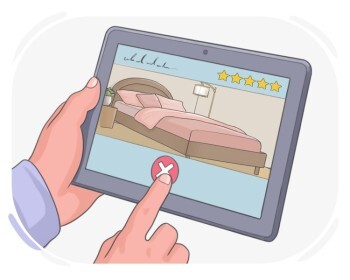
the act of stopping a planned event from happening or an order for something from being completed

an accident that occurs when two or more objects, often in motion, come into violent contact with each other, resulting in damage or destruction
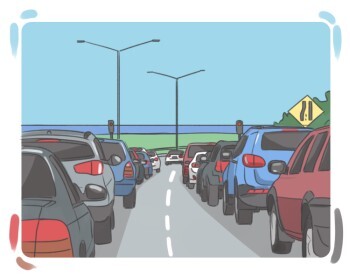
a state of being overcrowded or blocked, particularly in a street or road
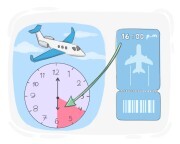
the act of postponing or putting off something that was scheduled or expected to happen at a particular time
a change in the normal route or path, often due to roadworks, accidents, or other disruptions
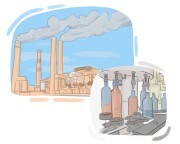
related to the manufacturing or production of goods on a large scale
the process of doing something, often requiring effort, with a specific purpose or goal in mind
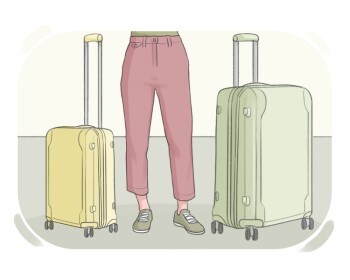
suitcases, bags, etc. to keep one's clothes and other belongings while traveling
a situation in which traffic is so heavily congested that movement is virtually impossible
relating to machines, engines, or their operation, design, and repair
a flaw, defect, or imperfection in a physical object or machine
to be filled with more people or things than is comfortable, safe, or desirable
a collision or accident in which several vehicles or objects crash into each other in quick succession
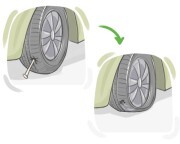
to cause a sudden loss of air or pressure in something, such as a tire or inflatable object
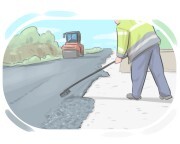
the work that is done to build or repair a road
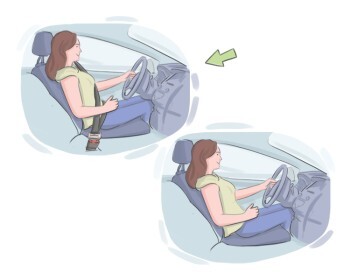
the state of being protected or having protection against any types of danger
a warning or notice that draws attention to a possible danger, problem, or important situation
a long line of vehicles or people waiting or moving slowly, typically due to traffic congestion or a blockage
instability and sudden changes in the movement of water or air
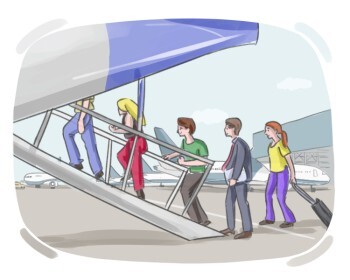
to get on a means of transportation such as a train, bus, aircraft, ship, etc.
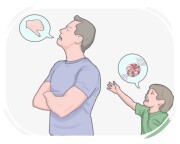
to reject an offer, request, or invitation
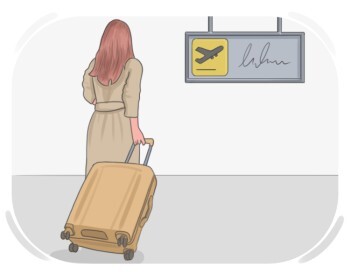
to leave a place, especially to begin a journey
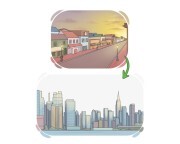
to change and become stronger or more advanced
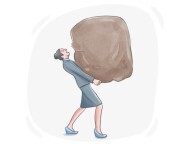
to make a serious or determined effort to do or achieve something
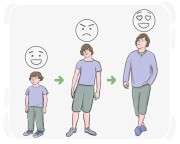
to personally be involved in and understand a particular situation, event, etc.
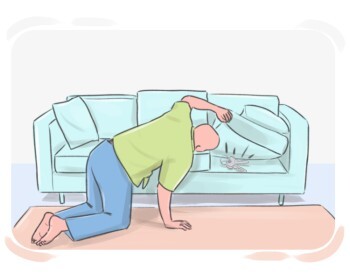
to discover the exact position or place of something or someone
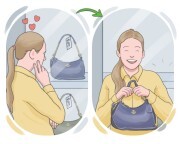
to get goods or services in exchange for money or other forms of payment
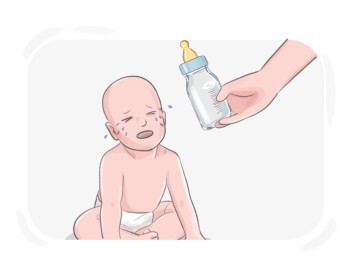
to need or demand something as necessary for a particular purpose or situation
to remove something from a specific location or situation
| Solutions - Advanced | |||
|---|---|---|---|
| Unit 7 - 7H | Unit 8 - 8A | Unit 8 - 8C | Unit 8 - 8E |
| Unit 8 - 8F | Unit 9 - 9A | Unit 9 - 9C | Unit 9 - 9D |
| Unit 9 - 9E | Unit 9 - 9F | Unit 9 - 9G | |
