pattern

Czasowniki Istnienia i Działania - Czasowniki dla Istnienia

Tutaj nauczysz się niektórych angielskich czasowników odnoszących się do istnienia, takich jak "współistnieć", "pozostać" i "upierać się".

Przegląd

Fiszki

formy

Pisownia

Test

Zacznij naukę
Categorized English Verbs of Existence and Action
to be
to be
[Czasownik]

to have an existence

być

być

Ex: There's an interesting story behind that old painting. 
to live
to live
[Czasownik]

to continue to exist or be alive

żyć, przeżyć

żyć, przeżyć

Ex: Cacti can live for months without water. 
to outlive
to outlive
[Czasownik]

to live for a longer period than another individual

przeżyć, żyć dłużej niż

przeżyć, żyć dłużej niż

Ex: She managed to outlive her younger sister by several years. 

Udało jej się przeżyć swoją młodszą siostrę o kilka lat.
to exist
to exist
[Czasownik]

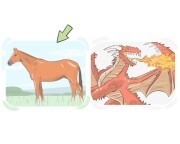
to have actual presence or reality, even if no one is thinking about it or noticing it

istnieć, być

istnieć, być

Ex: Scientific research often seeks to determine whether certain phenomena exist. 
to coexist
to coexist
[Czasownik]

to exist together in the same location or period, without necessarily interacting

współistnieć

współistnieć

Ex: Dinosaurs and early mammals once coexisted during the Mesozoic era. 

Dinozaury i wczesne ssaki niegdyś współistniały w erze mezozoicznej.

to cohabit
to cohabit
[Czasownik]

to exist together, often implying harmony or cooperation between different entities or groups

współistnieć, żyć razem

współistnieć, żyć razem

Ex: Employees from different cultural backgrounds learned to cohabit and create a more inclusive work environment. 

Pracownicy z różnych środowisk kulturowych nauczyli się współistnieć i tworzyć bardziej integracyjne środowisko pracy.

to preexist
to preexist
[Czasownik]

to exist before a specific event, object, or condition

istnieć wcześniej, poprzedzać istnieniem

istnieć wcześniej, poprzedzać istnieniem

Ex: The ancient trees in the forest pre-existed the development of the new park. 

Starożytne drzewa w lesie istniały przed rozwojem nowego parku.

to stay
to stay
[Czasownik]

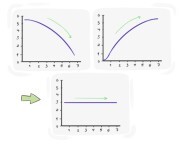
to continue to be in a particular condition or state

pozostać, zostać
pozostać, zostać

Ex: Please stay seated until the plane has come to a complete stop. 
to remain
to remain
[Czasownik]

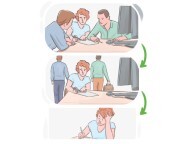
to stay in the same state or condition

pozostać, zostać
pozostać, zostać

Ex: Despite the challenges, he remained optimistic. 
to stay behind
to stay behind
[Czasownik]

to remain in a location while others depart

pozostać z tyłu, pozostać na miejscu

pozostać z tyłu, pozostać na miejscu

Ex: The determined scientist stayed behind in the laboratory to conduct additional experiments after the research team departed. 

Zdeterminowany naukowiec pozostał w tyle w laboratorium, aby przeprowadzić dodatkowe eksperymenty po wyjściu zespołu badawczego.

to stick around
to stick around
[Czasownik]

to remain in a place longer than originally intended, often with the expectation of waiting for something to happen or for someone to arrive

zostać gdzieś dłużej niż pierwotnie planowano, zostać i czekać aż coś się wydarzy lub ktoś przyjdzie

zostać gdzieś dłużej niż pierwotnie planowano, zostać i czekać aż coś się wydarzy lub ktoś przyjdzie

Ex: They asked me to stick around for the party, even though I was tired. 

Poprosili mnie, żebym został na imprezie, mimo że byłem zmęczony.

to persist
to persist
[Czasownik]

to continue to exist, occur, or remain present over time
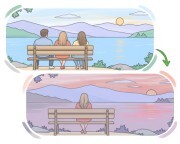
Ex: Despite the reforms, significant differences between the two regions have persisted. 
to linger
to linger
[Czasownik]

to stay somewhere longer because one does not want to leave

przeciągać, zastanawiać się

przeciągać, zastanawiać się

Ex: The travelers chose to linger in the charming village, captivated by its picturesque surroundings. 
to last
to last
[Czasownik]

to continue to exist or remain alive

trwać, przetrwać

trwać, przetrwać

Ex: Wild animals develop survival instincts to last in their natural habitats. 
LanGeek
Pobierz aplikację LanGeek