
Słownictwo do IELTS General (Wynik 6-7) - Negatywne Emocje
Tutaj nauczysz się niektórych angielskich słów związanych z negatywnymi emocjami, które są niezbędne do egzaminu IELTS General Training.
Powtórka
Fiszki
Pisownia
Test
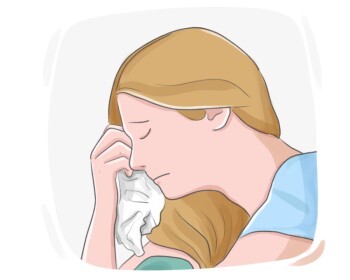
a state of complete emptiness, loneliness, or devastation

pustka,opuszczenie
Gdy pandemia trwała, puste ulice i zamknięte firmy przyczyniły się do pustki, którą odczuwali ludzie poruszający się po zmienionym świecie.
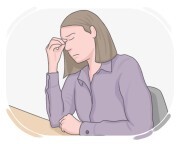
the feeling of annoyance, disappointment, or discouragement caused by being unable to achieve or do something
frustracja, rozczarowanie
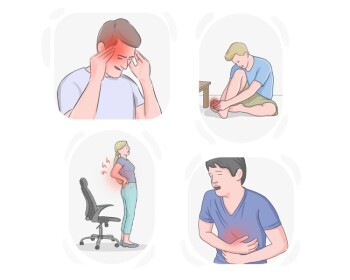
severe physical or mental pain
agonia,cierpienie
Pacjent znosił agonię przewlekłych migren przez lata.

a feeling of dissatisfaction and unhappiness with one's current situation or circumstances
niezadowolenie
Niezadowolenie pracowników z warunków pracy doprowadziło do dyskusji o potencjalnych zmianach w firmie.
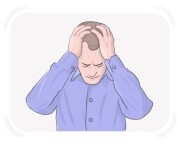
a feeling and attitude of resentment or hostility towards others, often stemming from past experiences of pain, betrayal, or disappointment
gorycz,uraza
Gorący spór między przyjaciółmi pozostawił trwałe uczucie goryczy, które napięło ich relację.
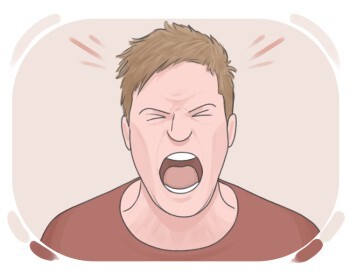
an intense sense of rage
gniew,wściekłość
Protestujący spotkali się z gniewem władz, które odpowiedziały brutalną siłą i przemocą.
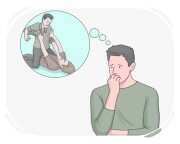
a feeling of shame, regret, or responsibility for having done something wrong
wina, poczucie winy
a sense of great regret that one feels as a result of having done something bad or wrong
żal
Była przepełniona wyrzutami sumienia, gdy zobaczyła szkody spowodowane jej błędem.

the uncomfortable feeling of being ashamed, awkward, or self-conscious
zażenowanie
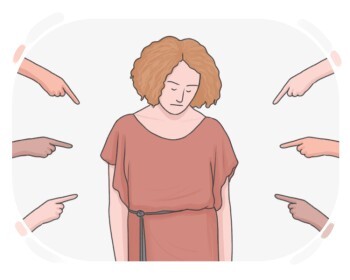
intense embarrassment from being made to look foolish or stupid
upokorzenie,hańba
Przegranie gry na oczach wszystkich było upokorzeniem.
a state of extreme anxiety
agitacja
Chodził po pokoju w widocznym podnieceniu.
a state of impatience or unease, characterized by a persistent desire for change, action, or relief from a current situation
niepokój,niecierpliwość
W cichym pokoju tykanie zegara tylko potęgowało uczucie niepokoju u kogoś, kto czekał na ważne wiadomości.

the negative quality of having doubts about the future and expect the worst possible outcomes
pesymizm
Zdała sobie sprawę, że jej pesymizm ogranicza jej możliwości.
a state of being left behind, deserted, or without support or care
porzucenie
Starsza kobieta poczuła głębokie poczucie porzucenia, gdy jej rodzina przeniosła ją do domu opieki.
the state of being exposed to the possibility of emotional distress
wrażliwość,podatność na zranienie
Wyrażanie wrażliwości w związku może sprzyjać głębszym więziom i zrozumieniu między partnerami.
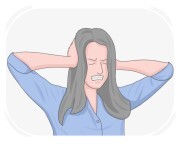
a feeling of annoyance or discomfort caused by something that is bothersome or unpleasant
irytacja,zirytowanie
Długie czekanie w gabinecie lekarskim było źródłem irytacji dla wszystkich pacjentów.

the feeling of being uninterested or restless because things are dull or repetitive
nuda,znudzenie
Nuda szybko się pojawiła, gdy film okazał się znacznie wolniejszy niż oczekiwano.
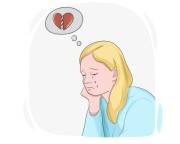
a feeling of great distress or sadness
złamane serce,smutek
Wzruszające zakończenie powieści pozostawiło czytelników z utrzymującym się uczuciem złamania serca.
a state of suffering or misfortune, often accompanied by a sense of grief or sadness
smutek,nieszczęście
Po klęsce żywiołowej poszkodowana społeczność dzieliła się opowieściami o zbiorowym nieszczęściu i wspólnie pracowała nad odbudową.
the state of being dissatisfied, discontented, or unhappy
niezadowolenie,niezadowolenie
Jej subtelne westchnienie wskazywało na jej niezadowolenie z nieoczekiwanej zmiany planów.
the state or condition of not being happy, characterized by feelings of dissatisfaction, discontent, or sorrow
nieszczęście,smutek
Trudności finansowe spowodowały wielkie nieszczęście dla rodziny.
extreme and often uncontrollable anger
wściekłość, furia
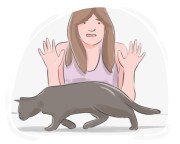
a sudden intense feeling of fear or anxiety that makes it difficult to think or act calmly
panika
a deep feeling of anger and dislike toward someone because of what they did in the past
uraza,złość
Waśń rodzinna trwała latami, podsycana długotrwałą urazą.

an accusation that someone is responsible for a mistake, fault, or wrongdoing
wina,odpowiedzialność
Kierownik przyjął winę za niepowodzenie projektu.
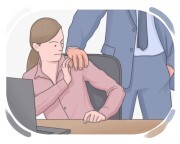
a feeling of unease, distress, or emotional strain
dyskomfort,niepokój
Czuła dyskomfort podczas napiętego spotkania.
the feeling or state of having lost all hope
rozpacz, beznadzieja
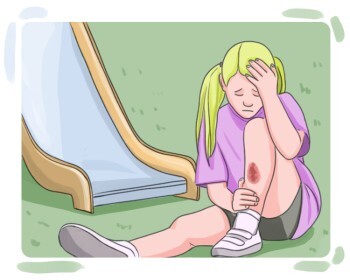
a state of extreme physical pain or mental distress
udręka,cierpienie
Próbował ukryć cierpienie w swoich oczach, ale ból złamanego serca był niezaprzeczalny.
a lasting feeling of anger or bitterness because of unfair treatment
uraza,żal
Czuła urazę, kiedy została pominięta.
