
Kluczowe Słownictwo Starożytnych Zabytków - Wielki Mur Chiński
Przegląd
Fiszki
formy
Pisownia
Test

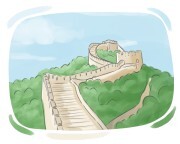
an extremely long wall in China, that is more than 20,000 kilometers long and was built centuries ago to protect China from intruders

Wielki Mur Chiński, Mur Chiński
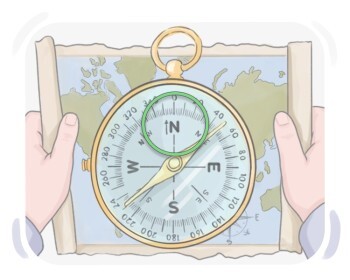
positioned in the direction of the north
północny, nordowy
the biggest country in East Asia
Chiny, kraj Chiny

known by a lot of people
sławny, znany

to guard, protect, or defend someone
strzec, chronić
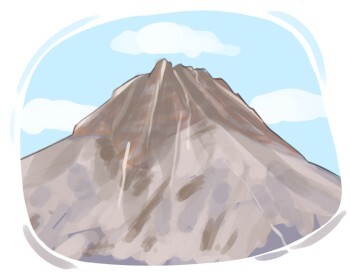
a very tall and large natural structure that looks like a huge hill with a pointed top that is often covered in snow
góra, szczyt
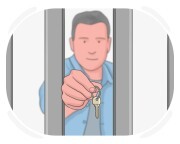
used to indicate movement into one side and out of the opposite side of something
przez, przez środek
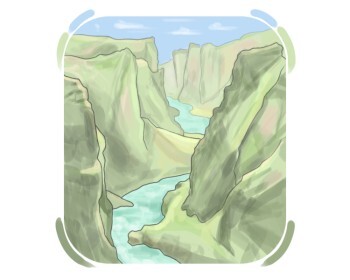
a low area of land between mountains or hills, often with a river flowing through it
dolina, kotlina
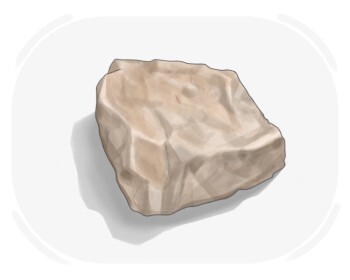
a hard material, usually made of minerals, and often used for building things
kamień

a block of baked clay, mostly used to build houses, walls, etc.
cegła, klinkier
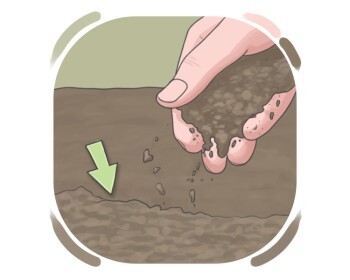
the part of the earth's surface consisting of humus and disintegrated rock
ziemia, gleba
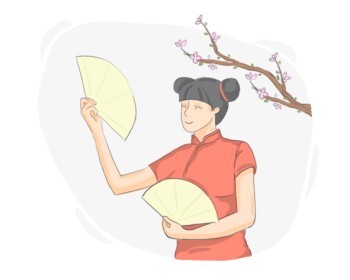
relating to the country, people, culture, or language of China
chiński, odnoszący się do Chin
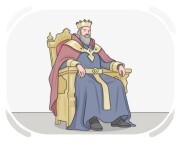
a person who controls or leads a country, territory, or group of people
władca, przywódca
throughout a period of several years
na przestrzeni lat, z biegiem lat
the imperial dynasty of China from 1368 to 1644
dynastia Ming, dynastia Mingów
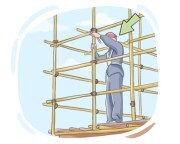
someone who does manual work, particularly a heavy and exhausting one to earn money
robotnik, pracownik
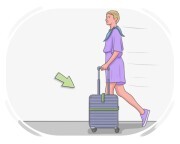
to hold someone or something and take them from one place to another
nosić, przenosić
material used for constructing buildings
materiał budowlany, materiały budowlane
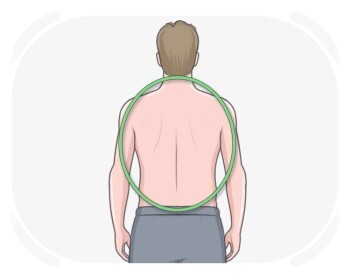
the part of our body between our neck and our legs that we cannot see
plecy, kręgosłup
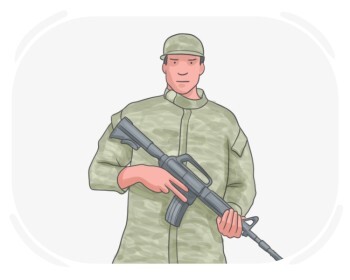
someone who serves in an army, particularly a person who is not an officer
żołnierz, wojskowy
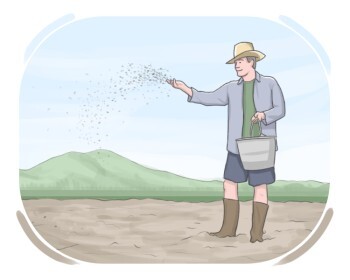
someone who has a farm or manages a farm
rolnik, farmer
a person who is held in jail or prison as punishment for a crime, or while awaiting trial or sentencing
więzień, skazaniec

to make someone behave a certain way or do a particular action, even if they do not want to
zmuszać, przymuszać
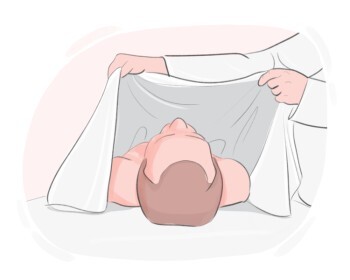
to no longer be alive
umrzeć, zmarnować
difficult to endure
trudny, ciężki
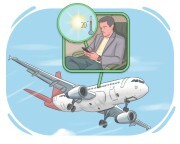
the state of something at a particular time
stan, warunek
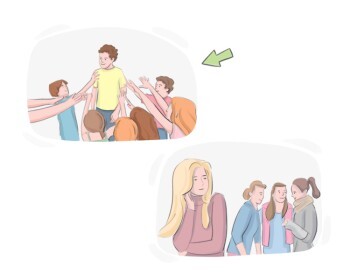
receiving a lot of love and attention from many people
popularny, kochany
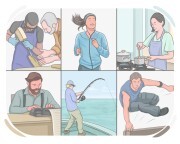
something that a person spends time doing, particularly to accomplish a certain purpose
aktywność, zajęcie
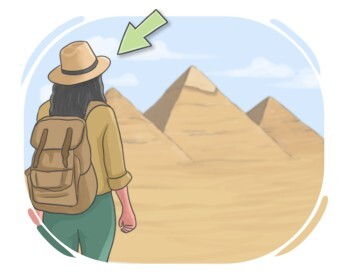
someone who enters a place, such as a building, city, or website, for a particular purpose
odwiedzający, gość
![to [take] a picture](https://cdn.langeek.co/photo/47436/thumb/photographer/350?type=jpeg "to [take] a picture")
to use a device like a camera or cellphone to capture an image of something or someone
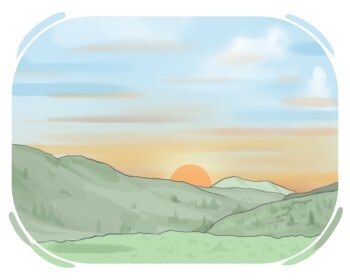
an area of scenery visible in a single view
krajobraz, panorama
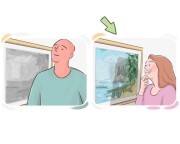
catching and keeping our attention because of being unusual, exciting, etc.
interesujący, fascynujący
the activity of traveling to different places for enjoyment, sightseeing, or relaxation
turystyka, podróż dla przyjemności
to assist or enable someone to acquire some knowledge, skills, or abilities
uczyć, nauczać
something that represents an idea, quality, or concept beyond its literal meaning
symbol, emblemat

an individual with a great amount of knowledge, skill, or training in a particular field
ekspert, specjalista
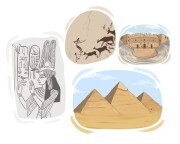
related or belonging to a period of history that is long gone
starożytny, dawny

any area beyond the Earth's atmosphere
przestrzeń kosmiczna, kosmos
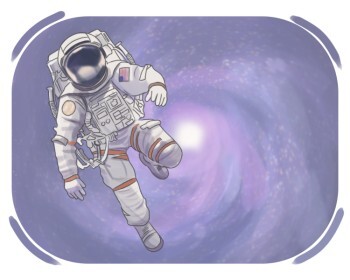
someone who is trained to travel and work in space
astronauta, kosmonauta
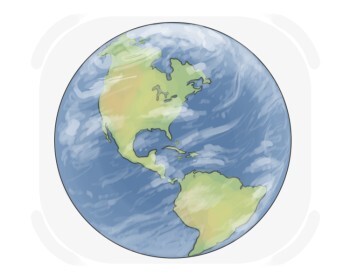
a big round mass covered in land and water, on which we all live
Ziemia, planeta Ziemia
| Kluczowe Słownictwo Starożytnych Zabytków | |||
|---|---|---|---|
| Wielka Piramida w Gizie | Wielki Mur Chiński | Machu Picchu | Colosseum |
| Stonehenge | Petra | Moai | Akropol w Atenach |
| Chichén Itzá | Persepolis | Pompeii | Wielki Sfinks w Gizie |
| Efez | Cairn Barnenez | Kuélap | Wielkie Zimbabwe |
| Armia Terakotowa | Forum Romanum | Sigiriya | Tiwanaku |
