
Lista Słówek Poziomu A2 - Czasowniki modalne i inne czasowniki
Tutaj nauczysz się niektórych czasowników modalnych i innych czasowników angielskich, takich jak "móc", "musieć" i "ulepszać", przygotowanych dla uczących się na poziomie A2.
Przegląd
Fiszki
formy
Pisownia
Test

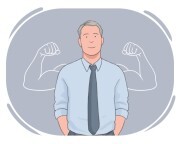
to be able to do somehing, make something, etc.

móc, być w stanie
Mechanik może naprawić szeroki zakres problemów samochodowych.
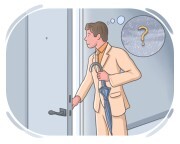
used to show the possibility of something happening or being the case
móc, może
On mógł zostawić swoje klucze na blacie kuchennym.
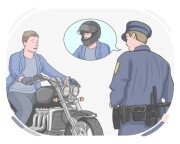
used to show that something is very important and needs to happen
musi, powinien
Goście muszą przestrzegać ustalonego kodu ubioru na oficjalne wydarzenie.
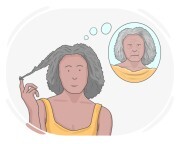
used for forming future tenses
będę, zrobię
On zacznie swoją nową pracę w przyszłym miesiącu.

used to ask if one can do something
Czy mógłbyś, Czy mogłabyś
Czy mógłbyś mi powiedzieć, jak dostać się do najbliższego urzędu pocztowego?
used to express a possibility
mógłby, może
Może później wieczorem padać deszcz.
used as the past form of "will" when reporting what someone has said or thought
by
Powiedział, że skończy raport do końca dnia.
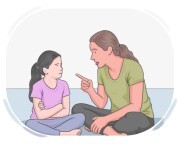
used to say what is suitable, right, etc., particularly when one is disapproving of something
powinien, powinieneś
Jako odpowiedzialny właściciel zwierzęcia, powinieneś zapewnić swoim zwierzętom odpowiednią opiekę.
used to say that something happened frequently or constantly in the past but not anymore
zwykłem, miałem w zwyczaju
Kiedyś palił, ale rzucił pięć lat temu.
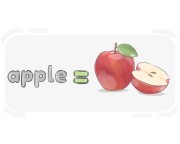
to have a particular meaning or represent something
znaczyć, mieć na myśli
Jego milczenie może oznaczać, że się nie zgadza.
to discover information about something or someone by looking, asking, or investigating
sprawdzać, weryfikować
On sprawdził menu, aby zdecydować, co zamówić na kolację.
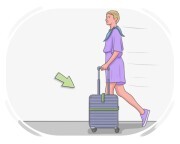
to hold someone or something and take them from one place to another
nosić, przenosić
Prąd rzeki może łatwo nieść małe łodzie w dół rzeki.
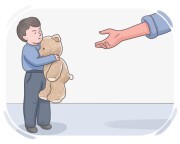
to have or continue to have something
zatrzymać, przechowywać
Pamiętaj, aby przechowywać kopię swoich ważnych dokumentów w bezpiecznym miejscu.
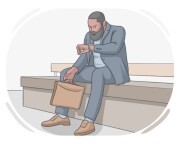
to not leave until a person or thing is ready or present or something happens
czekać, oczekiwać
Pacjentów prosi się o czekanie w poczekalni, aż zostanie wywołane ich nazwisko.
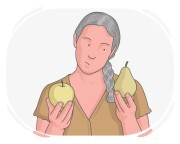
to examine or look for the differences between of two or more objects
porównywać, zestawiać
Przed wyborem hotelu warto porównać opinie klientów online.

to make a person or thing better
poprawiać, udoskonalać
Nowa aktualizacja oprogramowania ma na celu poprawę wydajności i doświadczenia użytkownika.
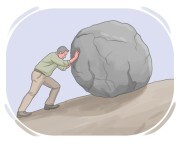
to make an effort or attempt to do or have something
próbować, starać się
Będą próbować ukończyć projekt do piątku.
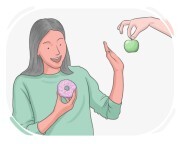
to want or choose one person or thing instead of another because of liking them more
preferować, woleć
Niektórzy uczniowie wolą uczyć się w cichej bibliotece niż w hałaśliwej kawiarni.
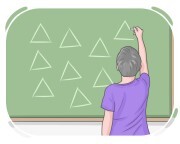
to complete an action more than one time
powtarzać, robić ponownie
W tej chwili trener aktywnie powtarza instrukcje do ćwiczenia.
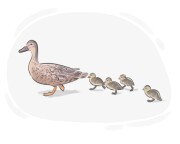
to move or travel behind someone or something
podążać, iść za
Samochód z przodu nagle się zatrzymał, a ja musiałem gwałtownie zahamować, aby uniknąć podążania zbyt blisko.

to let someone or something do a particular thing
pozwalać, zezwalać
Park nie zezwala na psy, z wyjątkiem zwierząt służbowych.

to move or do something very quickly, particularly because of a lack of time
spieszyć się, pośpieszać
Gdy zbliżała się burza, plażowicze pospiesznie pakowali swoje rzeczy i udawali się do środka.
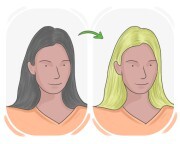
to make a person or thing different
zmieniać, modyfikować
Zmieniliśmy nasze plany podróży i postanowiliśmy zrobić coś innego w tym roku.
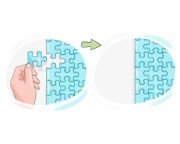
to bring something to an end by making it whole
ukończyć, zakończyć
Zespół projektowy zakończył wszystkie wymagane zadania.
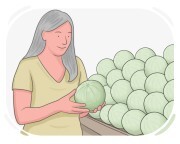
to choose someone or something out of a group of people or things
wybierać, selekcjonować
Klient poświęcił czas, aby wybrać odpowiednią parę butów z wystawy.
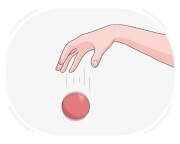
to let or make something fall to the ground
upuszczać, zrzucać
Pożar został spowodowany przez kogoś, kto upuścił zapaloną papierosa.
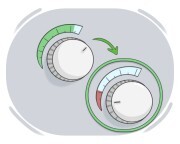
to make something smaller in amount, degree, price, etc.
zmniejszać, redukować
Cięcie niepotrzebnych wydatków to jeden ze sposobów na zmniejszenie stresu finansowego.
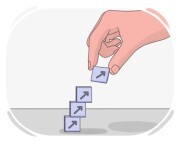
to not stop something, such as a task or activity, and keep doing it
kontynuować, nadal
Zespół kontynuował grę pomimo trudności technicznych.
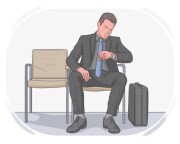
to remain in a particular place
pozostać, przebywać
Przepraszam, ale mam inne spotkanie, więc nie mogę zostać długo.
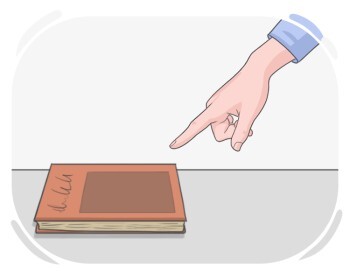
to show the place or direction of someone or something by holding out a finger or an object
wskazywać, pokazywać
W tej chwili policjant drogowy aktywnie wskazuje trasę objazdu.
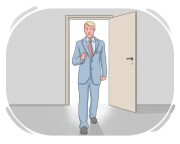
to come or go into a place
wchodzić
Wczoraj weszli do muzeum, aby zwiedzić wystawy.
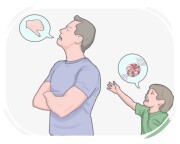
to not accept what someone has offered us or asked us to do
odmawiać, odrzucać
Odmówili zapłaty dodatkowej opłaty za przyspieszoną wysyłkę.

to go or come back to a person or place
wracać, powrócić
Gdy słońce zachodzi, świat zaczyna wracać do ciemności.
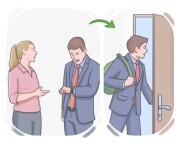
used to indicate an obligation or to emphasize the necessity of something happening
musieć, mieć do
Oni muszą ciężko się uczyć na swoje egzaminy w przyszłym tygodniu.
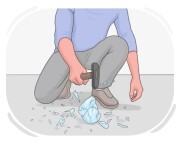
to become damaged and separated into pieces because of a blow, shock, etc.
złamać, stłuc
Nogi krzesła nie wytrzymały jego wagi i złamały się.
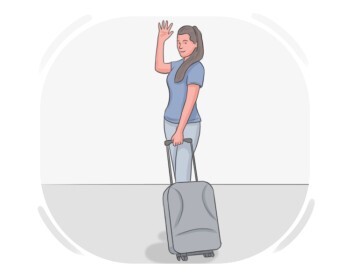
used when saying goodbye to someone, especially family and friends
Trzymaj się, Uważaj na siebie
Bezpiecznej podróży. Dbaj o siebie, mój przyjacielu!
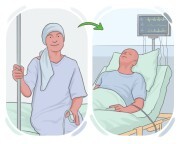
to become less desirable, easy, or tolerable
pogarszać się, pogłębiać się
Konflikt między dwiema stronami nie wykazuje oznak poprawy i może się jeszcze bardziej pogorszyć.
| Lista Słówek Poziomu A2 | |||
|---|---|---|---|
| Podstawowe Przysłówki | Podstawowe Przeciwstawne Przymiotniki | Emocje | Czasowniki modalne i inne czasowniki |
| Matematyka | Nauka i Świat Przyrody | Niezbędne Czasowniki | Częste czasowniki |
| Podstawowe Czasowniki | Zaimki i Determinanty | ||
