pattern

Lista Słówek Poziomu C1 - Walki i Niepowodzenia

Tutaj nauczysz się niektórych angielskich słów dotyczących walki i niepowodzeń, takich jak "katastrofalny", "zguba", "zaniedbanie" itp., przygotowanych dla uczniów na poziomie C1.

Przegląd

Fiszki

Pisownia

Test

Zacznij naukę
CEFR C1 Vocabulary
destructive
destructive
[przymiotnik]

causing a lot of damage or harm

niszczycielski, destrukcyjny

niszczycielski, destrukcyjny

Ex: The invasive species had a destructive impact on the local ecosystem. 

Inwazyjne gatunki miały niszczycielski wpływ na lokalny ekosystem.
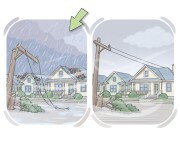
disastrous
disastrous
[przymiotnik]

very harmful or bad

katastrofalny, zgubny
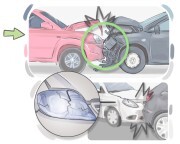
katastrofalny, zgubny

Ex: Ignoring climate change could have disastrous consequences for future generations. 
elusive
elusive
[przymiotnik]

difficult to grasp mentally

nieuchwytny, wymykający się
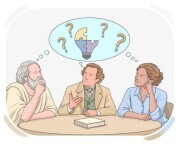
nieuchwytny, wymykający się

Ex: The details of the dream were elusive, fading as soon as she woke up. 
grave
grave
[przymiotnik]

involving serious danger, harm, or a very bad outcome

poważny,  ciężki
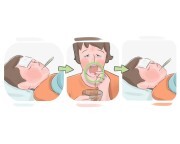
poważny, ciężki

Ex: Doctors were concerned about the grave risk of infection. 
ineffective
ineffective
[przymiotnik]

not achieving the desired outcome or intended result

nieskuteczny, bezużyteczny

nieskuteczny, bezużyteczny

Ex: Using the old software was ineffective in solving the problem; an upgrade was necessary. 

Używanie starego oprogramowania było nieskuteczne w rozwiązaniu problemu; konieczna była aktualizacja.

undesirable
undesirable
[przymiotnik]

not wanted or considered unpleasant

niepożądany, nieprzyjemny
niepożądany, nieprzyjemny

Ex: The undesirable behavior of the employee led to disciplinary action by the company. 
overwhelming
overwhelming
[przymiotnik]

too intense or powerful to resist or manage effectively

przytłaczający, ogromny

przytłaczający, ogromny

Ex: The overwhelming sense of pride filled the room as the team celebrated their victory. 

Przytłaczające poczucie dumy wypełniło pokój, gdy zespół świętował swoje zwycięstwo.
in vain
in vain
[przysłówek]

without success or achieving the desired result

na próżno, bezskutecznie

na próżno, bezskutecznie

Ex: She waited for a response to her letter, but her hopes were in vain as no reply arrived. 

Czekała na odpowiedź na swój list, ale jej nadzieje były daremne, ponieważ nie nadeszła żadna odpowiedź.
to doom
to doom
[Czasownik]

to intentionally cause something or someone to fail or experience a negative outcome by creating specific conditions

potępiać, skazywać na niepowodzenie

potępiać, skazywać na niepowodzenie

Ex: Repeated violations of policies are dooming the company's reputation. 

Powtarzające się naruszenia polityk skazują reputację firmy.

to neglect
to neglect
[Czasownik]

to fail to do something, especially through carelessness or forgetfulness

zaniedbywać,  zaniedbać

zaniedbywać, zaniedbać

Ex: The driver had neglected to renew his license. 
to overshadow
to overshadow
[Czasownik]

to cause a person or thing to come across as less significant

przyćmiewać, przesłaniać
przyćmiewać, przesłaniać

Ex: Her brilliant performance in the lead role overshadowed the supporting cast's efforts in the play. 
breakdown
breakdown
[Rzeczownik]

the failure or collapse of a relationship, system, process, or arrangement

załamanie, rozpad
załamanie, rozpad

Ex: Emma blamed the divorce on a gradual breakdown in communication. 
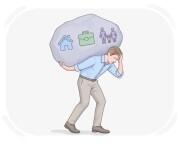
burden
burden
[Rzeczownik]

a responsibility or task that causes hardship, stress, etc.

ciężar, obowiązek
ciężar, obowiązek

Ex: The financial burden of student loans weighed heavily on her after graduation. 
catastrophe
catastrophe
[Rzeczownik]

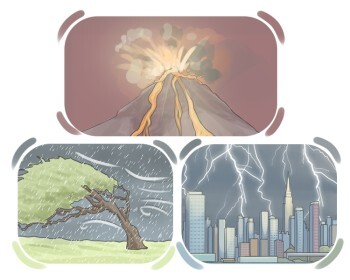
a horrible event that causes much suffering and damage

katastrofa

katastrofa

Ex: The global pandemic was declared a health catastrophe due to its widespread impact on public health and economies. 

Globalna pandemia została ogłoszona katastrofą zdrowotną ze względu na jej powszechny wpływ na zdrowie publiczne i gospodarki.
dead end
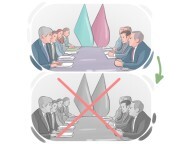
dead end
[Rzeczownik]

a situation that shows no signs of progress or improvement

ślepy zaułek, bez przyszłości

ślepy zaułek, bez przyszłości

Ex: The talks hit a dead end after both sides refused to compromise. 

Rozmowy utknęły w ślepym zaułku, gdy obie strony odmówiły kompromisu.
deficiency
deficiency
[Rzeczownik]

a flaw, weakness, or shortcoming that reduces the effectiveness, quality, or completeness of something

wada, brak
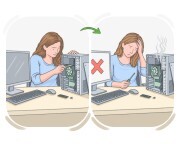
wada, brak

Ex: Emotional deficiencies in early life can affect adult behavior. 
fail
fail
[Rzeczownik]

a mistake or unsuccessful act

porażka, błąd
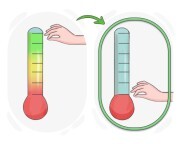
porażka, błąd

Ex: The launch of the new product was a major fail due to poor marketing. 
fall
fall
[Rzeczownik]

a reduction in size, amount, number, etc.

spadek, upadek
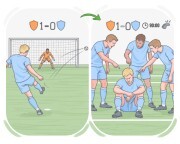
spadek, upadek

Ex: The fall in oil prices has significantly impacted the global economy. 
fault
fault
[Rzeczownik]

a wrong move or act

wina, błąd

wina, błąd

Ex: It was her fault that the project missed its deadline due to her delay. 
hurdle
hurdle
[Rzeczownik]

a difficulty or problem that must be overcome in order to achieve something

przeszkoda, trudność
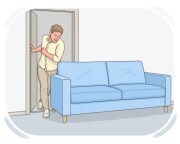
przeszkoda, trudność

Ex: The team faced a significant hurdle when their lead programmer left the project unexpectedly. 
inconvenience
inconvenience
[Rzeczownik]

the state or quality of being not useful, suitable, or convenient

niedogodność, niewygoda

niedogodność, niewygoda

Ex: The outdated software is an inconvenience in modern workflows. 
malfunction
malfunction
[Rzeczownik]

a failure to function or work properly

awaria, usterka

awaria, usterka

Ex: The robot's malfunction during the demonstration embarrassed the engineering team. 

Awaria robota podczas demonstracji zawstydziła zespół inżynieryjny.

mess
mess
[Rzeczownik]

a difficult, confused, or unpleasant situation involving many problems

bałagan, kłopoty

bałagan, kłopoty

Ex: Their travel plans became a complete mess after the flight was canceled. 
mishap
mishap
[Rzeczownik]

a minor accident that has no serious consequences

niespodzianka, incydent
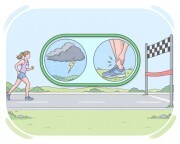
niespodzianka, incydent

Ex: Her day was filled with little mishaps, like tripping over the cat and forgetting her keys, but nothing too serious. 
odds
odds
[Rzeczownik]

difficult or unfavorable circumstances that reduce the chance of success

trudności,  niesprzyjające okoliczności
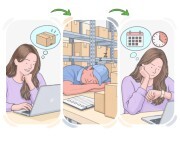
trudności, niesprzyjające okoliczności

Ex: The rescue team worked against terrible odds throughout the night. 
oversight
oversight
[Rzeczownik]

a mistake made because of forgetting to do or not noticing something

przeoczenie, zaniedbanie

przeoczenie, zaniedbanie

Ex: The company's policy changes were implemented without proper oversight, leading to confusion among employees. 
setback
setback
[Rzeczownik]

a problem that gets in the way of a process or makes it worse

niepowodzenie, przeszkoda
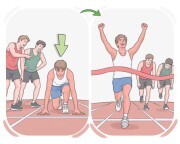
niepowodzenie, przeszkoda

Ex: The company experienced a setback when their main supplier went out of business. 
underdog
underdog
[Rzeczownik]

an individual, team, etc. who is regarded as weaker compared to others and has little chance of success as a result

outsider, słabszy
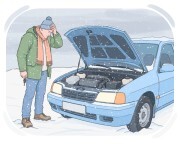
outsider, słabszy

Ex: Despite being the underdog in the negotiation, he managed to secure a favorable deal for his company. 
to [give] {sb} trouble

to cause someone problems

Ex: The misbehaving student is giving the teacher trouble in class. 
to no effect

not yielding the expected result

Ex: The politician made promises to improve the economy, but his policies were to no effect. 
up against
up against
[Fraza]

in a challenging, confrontational, or adversarial situation
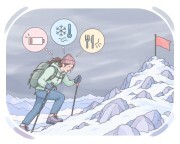
Ex: The candidate was up against a tough opponent. 
in the face of
in the face of
[Przyimek]

despite a challenging or difficult situation

pomimo, w obliczu

pomimo, w obliczu

Ex: The team won the game in the face of numerous injuries and setbacks. 
at the expense of

causing a negative consequence or cost to someone or something in order to benefit another

kosztem

kosztem

Ex: His success came at the expense of his health, as he sacrificed sleep and exercise to meet deadlines. 

Jego sukces przyszedł kosztem jego zdrowia, ponieważ poświęcił sen i ćwiczenia, aby dotrzymać terminów.
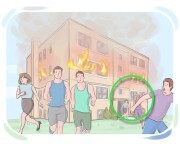
to evacuate
to evacuate
[Czasownik]

to leave a place to be safe from a dangerous situation

ewakuować, opuszczać

ewakuować, opuszczać

Ex: With the riverbanks overflowing, the town was forced to evacuate. 

Z przepełnionymi brzegami rzeki miasto zostało zmuszone do ewakuacji.
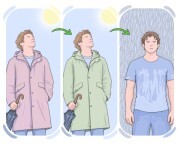
Murphy's law

a principle stating that if there is a possibility for a bad thing to happen, it will happen

Ex: Every time I leave the house without an umbrella, Murphy's law ensures it will rain. 
to [walk|tread] a tightrope

to be in a situation where one has to be careful about every decision they make because even one mistake can pose a great risk

chodzić po linie, utrzymywać kruchą równowagę

chodzić po linie, utrzymywać kruchą równowagę

Ex: Small businesses are walking a tightrope with rising costs and customers who won't accept higher prices. 

Małe firmy chodzą po linie między rosnącymi kosztami a klientami, którzy nie zaakceptują wyższych cen.

LanGeek
Pobierz aplikację LanGeek