pattern

Lista de Palabras Nivel C1 - Fracaso

Aquí aprenderás algunas palabras en inglés sobre el fracaso, como "disastrous", "doom", "neglect", etc. preparadas para estudiantes de C1.

Revisión

Tarjetas de memoria

Ortografía

Cuestionario

Empezar a aprender
CEFR C1 Vocabulary
destructive
destructive
[Adjetivo]

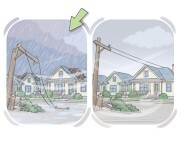
causing a lot of damage or harm

destructivo, destructor

destructivo, destructor

Ex: The destructive force of the earthquake toppled buildings and infrastructure. 

La fuerza destructiva del terremoto derribó edificios e infraestructuras.
disastrous
disastrous
[Adjetivo]

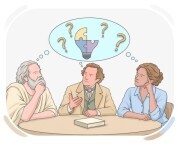
very harmful or bad

desastroso, catastrófico
desastroso, catastrófico

Ex: The invasive species had a disastrous effect on the local ecosystem. 

Las especies invasoras tuvieron un efecto desastroso en el ecosistema local.

elusive
elusive
[Adjetivo]

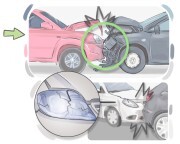
difficult to grasp mentally

difícil de alcanzar
difícil de alcanzar

Ex: The answer to the riddle remained elusive, despite their best efforts to solve it. 

La respuesta al acertijo siguió siendo esquiva, a pesar de sus mejores esfuerzos por resolverlo.

grave
grave
[Adjetivo]

very bad or worrisome

grave, serio

grave, serio

Ex: It was a grave mistake to trust the unreliable contractor with such an important project. 

Fue un grave error confiar en el contratista poco fiable para un proyecto tan importante.

ineffective
ineffective
[Adjetivo]

not achieving the desired outcome or intended result

fútil, ineficaz

fútil, ineficaz

Ex: The marketing campaign was ineffective, as it failed to attract new customers. 

La campaña de marketing fue ineficaz, ya que no logró atraer nuevos clientes.

undesirable
undesirable
[Adjetivo]

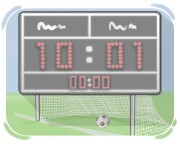
not wanted or considered unpleasant

indeseable
indeseable

Ex: The undesirable weather conditions forced the cancellation of the outdoor event. 

Las condiciones climáticas indeseables obligaron a la cancelación del evento al aire libre.

overwhelming
overwhelming
[Adjetivo]

too intense or powerful to resist or manage effectively

irresistible, aplastante

irresistible, aplastante

Ex: The overwhelming sense of pride filled the room as the team celebrated their victory. 

El sentimiento de orgullo abrumador llenó la habitación mientras el equipo celebraba su victoria.
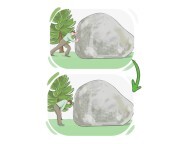
in vain
in vain
[Adverbio]

without success or achieving the desired result

en vano, inútilmente

en vano, inútilmente

Ex: The team struggled to score a goal, but all their attempts were in vain as the opposing defense remained impenetrable. 

El equipo luchó por marcar un gol, pero todos sus intentos fueron en vano ya que la defensa contraria permaneció impenetrable.
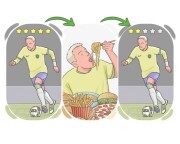
to doom
to doom
[Verbo]

to intentionally cause something or someone to fail or experience a negative outcome by creating specific conditions

condenar

condenar

Ex: Deliberate misinformation campaigns can doom a person's reputation. 

Las campañas de desinformación deliberadas pueden condenar la reputación de una persona.

to neglect
to neglect
[Verbo]

to fail to do something, particularly as a result of carelessness

desatender

desatender

Ex: The company neglected to update its cybersecurity measures, leading to a data breach. 

La empresa descuidó actualizar sus medidas de ciberseguridad, lo que llevó a una violación de datos.

to overshadow

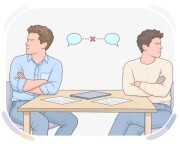
to cause a person or thing to come across as less significant

eclipsar
eclipsar

Ex: The grandeur of the ancient temple overshadowed the smaller shrines nearby. 

La grandeza del antiguo templo eclipsó los pequeños santuarios cercanos.

breakdown
breakdown
[Sustantivo]

a failure in the progress or effectiveness of a relationship or system

avería

avería

Ex: Many factors contributed to the breakdown of the company's finances. 

Muchos factores contribuyeron al fracaso de las finanzas de la empresa.

burden
burden
[Sustantivo]

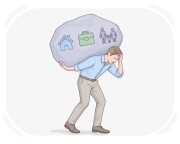
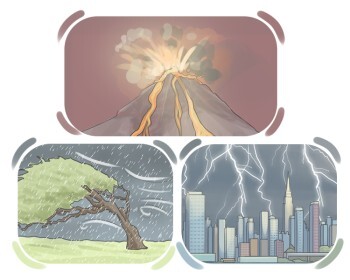
a responsibility or task that causes hardship, stress, etc.

carga
carga

Ex: The responsibility of managing a large team became too much of a burden for him. 

La responsabilidad de gestionar un equipo grande se convirtió en una carga demasiado pesada para él.

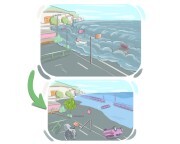
catastrophe
catastrophe
[Sustantivo]

a horrible event that causes much suffering and damage

catástrofe

catástrofe

Ex: The failure of the levee led to a catastrophic flood that submerged entire neighborhoods. 

El fallo del dique provocó una inundación catastrófica que sumergió barrios enteros.
dead end
dead end
[Sustantivo]

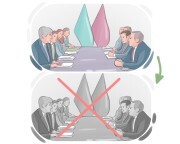
a situation that shows no signs of progress or improvement

callejón sin salida, sin futuro

callejón sin salida, sin futuro

Ex: Their relationship had become a dead end long before they broke up. 

Su relación ya no tenía futuro mucho antes de que rompieran.

deficiency
deficiency
[Sustantivo]

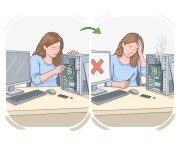
a flaw, weakness, or shortcoming that reduces the effectiveness, quality, or completeness of something

escasez, déficit
escasez, déficit

Ex: The audit uncovered several deficiencies in the company's records. 

La auditoría descubrió varias deficiencias en los registros de la empresa.

fail
fail
[Sustantivo]

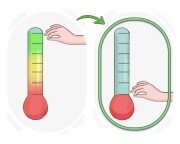
a mistake or unsuccessful act

fracaso
fracaso

Ex: The recipe turned out to be a fail when the cake didn't rise. 

La receta resultó ser un fracaso cuando el pastel no subió.

fall
fall
[Sustantivo]

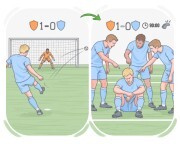
a reduction in size, amount, number, etc.

baja, caída
baja, caída

Ex: The company reported a fall in profits for the second quarter. 

La empresa informó de una caída en las ganancias para el segundo trimestre.

fault
fault
[Sustantivo]

a wrong move or act

error, falla

error, falla

Ex: The teacher pointed out the fault in his reasoning during the debate. 

El profesor señaló la falta en su razonamiento durante el debate.

hurdle
hurdle
[Sustantivo]

a difficulty or problem that must be overcome in order to achieve something

obstáculo
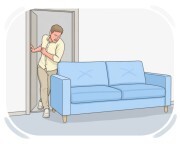
obstáculo

Ex: Despite the language barrier, she managed to overcome this hurdle and excel in her new job. 

A pesar de la barrera del idioma, logró superar este obstáculo y sobresalir en su nuevo trabajo.

inconvenience
inconvenience
[Sustantivo]

the state or quality of being not useful, suitable, or convenient

inconveniencia, molestia

inconveniencia, molestia

Ex: The lack of parking caused inconvenience for customers. 

La falta de estacionamiento causó una inconveniencia para los clientes.

malfunction
malfunction
[Sustantivo]

a failure to function or work properly

falla, fallo

falla, fallo

Ex: A malfunction in the engine forced the pilot to make an emergency landing. 

Un mal funcionamiento en el motor obligó al piloto a realizar un aterrizaje de emergencia.

mess
mess
[Sustantivo]

a situation with many problems or difficulties, caused particularly by someone who is careless

lío

lío

Ex: The unplanned changes to the schedule turned the event into a logistical mess. 

Los cambios no planificados en el horario convirtieron el evento en un desastre logístico.

mishap
mishap
[Sustantivo]

a minor accident that has no serious consequences

contratiempo
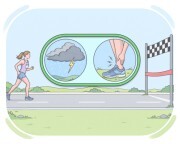
contratiempo

Ex: The camping trip went smoothly, except for a minor mishap when the tent zipper got stuck. 

El viaje de campamento transcurrió sin problemas, excepto por un pequeño percance cuando la cremallera de la tienda de campaña se atascó.

odds
odds
[Sustantivo]

circumstances that make it difficult to achieve something

difficultades

difficultades

Ex: He overcame the odds of growing up in a rough neighborhood to become a successful lawyer. 

Superó las dificultades de crecer en un barrio difícil para convertirse en un abogado exitoso.

oversight
oversight
[Sustantivo]

a mistake made because of forgetting to do or not noticing something

descuido, omisión

descuido, omisión

Ex: The project's failure to meet the deadline was attributed to an oversight in scheduling key milestones. 

El fracaso del proyecto para cumplir con el plazo se atribuyó a un descuido en la programación de hitos clave.

setback
setback
[Sustantivo]

a problem that gets in the way of a process or makes it worse

revés
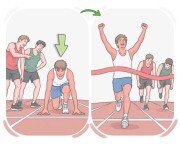
revés

Ex: His injury was a setback to his training schedule for the upcoming competition. 

Su lesión fue un retroceso para su programa de entrenamiento para la próxima competencia.

underdog
underdog
[Sustantivo]

an individual, team, etc. who is regarded as weaker compared to others and has little chance of success as a result

desvalido

desvalido

Ex: The underdog candidate won the election against all odds. 

El candidato desfavorecido ganó las elecciones contra todo pronóstico.

to give {sb} trouble

to cause someone problems

causar problemas
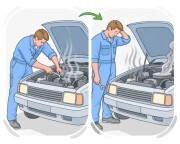
causar problemas

Ex: The noisy neighbors are giving us trouble late at night. 
to no effect

not yielding the expected result

inútilmente, sin resultado

inútilmente, sin resultado

Ex: The company increased advertising spending, but it was to no effect as sales continued to decline. 
up against
up against
[Frase]

in a challenging, confrontational, or adversarial situation

enfrentado a
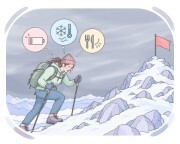
enfrentado a

Ex: She was up against several obstacles in her career. 
in the face of
in the face of
[Preposición]

despite a challenging or difficult situation

ante, frente a

ante, frente a

Ex: The company achieved record profits in the face of a tough economic climate. 

La empresa logró ganancias récord a pesar de un clima económico difícil.

at the expense of
at the expense of
[Preposición]

causing a negative consequence or cost to someone or something in order to benefit another

a costa de, a expensas de

a costa de, a expensas de

Ex: The company prioritized profit margins at the expense of employee satisfaction. 

La empresa priorizó los márgenes de beneficio a expensas de la satisfacción de los empleados.
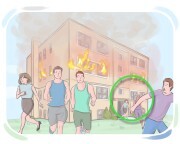
to evacuate

to leave a place to be safe from a dangerous situation

evacuar

evacuar

Ex: In anticipation of the approaching hurricane, coastal communities were urged to evacuate. 

En anticipación al huracán que se aproxima, se instó a las comunidades costeras a evacuar.
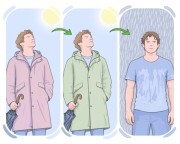
Murphy's law

a principle stating that if there is a possibility for a bad thing to happen, it will happen

Ex: She prepared thoroughly for her presentation, but Murphy's law struck, and the projector failed. 
to [walk|tread] a tightrope

to be in a situation where one has to be careful about every decision they make because even one mistake can pose a great risk

caminar por la cuerda floja, mantener un equilibrio delicado

caminar por la cuerda floja, mantener un equilibrio delicado

Ex: The CEO had to walk a tightrope when announcing layoffs, trying to maintain employee morale while addressing budget constraints. 

El profesor caminaba por la cuerda floja entre apoyar a los alumnos y hacer cumplir las normas.

LanGeek
Descargar la aplicación LanGeek