pattern

C1レベルの単語リスト - 闘争と挫折

ここでは、C1レベルの学習者向けに準備された「悲惨な」「運命」「無視」など、苦闘と挫折に関するいくつかの英単語を学びます。

レビュー

フラッシュカード

綴り

クイズ

学習を開始
CEFR C1 Vocabulary
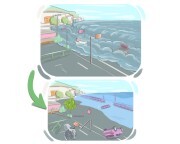
destructive
destructive
[形容詞]

causing a lot of damage or harm

破壊的な, 有害な

破壊的な, 有害な

Ex: The destructive hurricane left a trail of devastation in its wake. 

破壊的なハリケーンは、その後に壊滅的な跡を残した。

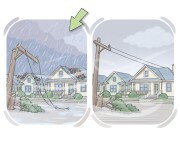
disastrous
disastrous
[形容詞]

very harmful or bad

悲惨な, 壊滅的な

悲惨な, 壊滅的な

Ex: The storm's disastrous impact left thousands of homes without power. 
elusive
elusive
[形容詞]

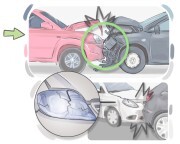
difficult to grasp mentally

捉えどころのない, 理解しがたい
捉えどころのない, 理解しがたい

Ex: The concept of time felt elusive, slipping away no matter how hard they tried to focus. 
grave
grave
[形容詞]

involving serious danger, harm, or a very bad outcome

重大な,  深刻な
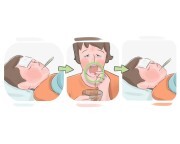
重大な, 深刻な

Ex: The patient remains in grave condition. 
ineffective
ineffective
[形容詞]

not achieving the desired outcome or intended result

効果がない, 無効な

効果がない, 無効な

Ex: The medication proved to be ineffective in treating the patient's condition. 

その薬は患者の状態の治療に効果がないことが証明された。

undesirable
undesirable
[形容詞]

not wanted or considered unpleasant

望ましくない, 不快な
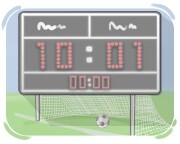
望ましくない, 不快な

Ex: The undesirable side effects of the medication outweighed its potential benefits. 
overwhelming
overwhelming
[形容詞]

too intense or powerful to resist or manage effectively

圧倒的な, 非常に強い

圧倒的な, 非常に強い

Ex: The overwhelming heat made it difficult to stay outside for long. 

圧倒的な暑さで、外に長くいるのは難しかった。

in vain
in vain
[副詞]

without success or achieving the desired result

むだに, 成功せずに

むだに, 成功せずに

Ex: Despite hours of searching, the lost keys were found in vain, and she had to get a spare set. 

何時間も探したにもかかわらず、失われた鍵は無駄に見つかり、彼女は予備のセットを手に入れなければなりませんでした。
to doom
to doom
[動詞]

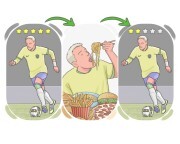
to intentionally cause something or someone to fail or experience a negative outcome by creating specific conditions

非難する, 失敗に導く

非難する, 失敗に導く

Ex: The unethical business practices were sure to doom the company's reputation and success in the long run. 

非倫理的なビジネス慣行は、長期的には会社の評判と成功を台無しにすること間違いなしでした。

to neglect
to neglect
[動詞]

to fail to do something, especially through carelessness or forgetfulness

怠る,  忘れる

怠る, 忘れる

Ex: She neglected to lock the door before leaving. 
to overshadow

to cause a person or thing to come across as less significant

影を落とす, 見劣りさせる
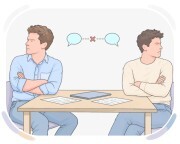
影を落とす, 見劣りさせる

Ex: His older brother's achievements in sports overshadowed his own academic success in the family. 
breakdown
breakdown
[名詞]

the failure or collapse of a relationship, system, process, or arrangement

崩壊, 破綻
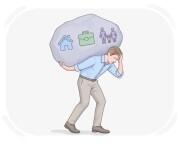
崩壊, 破綻

Ex: The dispute led to a breakdown in relations between the two companies. 
burden
burden
[名詞]

a responsibility or task that causes hardship, stress, etc.

負担, 重荷
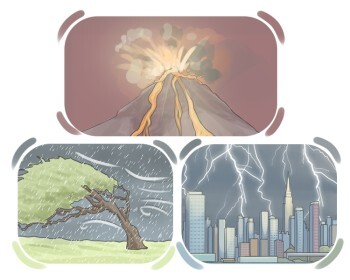
負担, 重荷

Ex: He felt burdened by guilt after making a mistake that affected his colleagues. 
catastrophe
catastrophe
[名詞]

a horrible event that causes much suffering and damage

災害

災害

Ex: The earthquake in the region caused widespread devastation and was considered a natural catastrophe. 

その地域の地震は広範囲にわたる被害をもたらし、自然災害と見なされました。

dead end
dead end
[名詞]

a situation that shows no signs of progress or improvement

行き詰まり, 先がない

行き詰まり, 先がない

Ex: The investigation reached a dead end when the witness disappeared. 

証人が姿を消すと、捜査は行き詰まった。

deficiency
deficiency
[名詞]

a flaw, weakness, or shortcoming that reduces the effectiveness, quality, or completeness of something

欠陥, 欠点
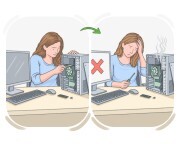
欠陥, 欠点

Ex: Her argument was convincing despite a few logical deficiencies. 
fail
fail
[名詞]

a mistake or unsuccessful act

失敗, ミス

失敗, ミス

Ex: Her attempt to fix the computer herself resulted in a complete fail. 
fall
fall
[名詞]

a reduction in size, amount, number, etc.

下落, 減少
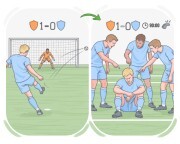
下落, 減少

Ex: The fall in temperature signaled the arrival of autumn. 
fault
fault
[名詞]

a wrong move or act

過失, 誤り

過失, 誤り

Ex: She admitted her fault and apologized for the misunderstanding. 
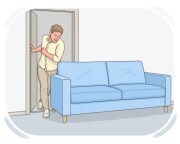
hurdle
hurdle
[名詞]

a difficulty or problem that must be overcome in order to achieve something

障害, 困難
障害, 困難

Ex: The biggest hurdle for the startup was securing enough funding to launch their product. 
inconvenience

the state or quality of being not useful, suitable, or convenient

不便, 面倒

不便, 面倒

Ex: The room's location posed an inconvenience for the guests. 
malfunction
malfunction
[名詞]

a failure to function or work properly

故障, 不具合

故障, 不具合

Ex: The sudden malfunction of the elevator left everyone stranded on the top floor. 

エレベーターの突然の故障により、全員が最上階に取り残された。

mess
mess
[名詞]

a difficult, confused, or unpleasant situation involving many problems

混乱, ごちゃごちゃ

混乱, ごちゃごちゃ

Ex: The project is in a mess because nobody planned it properly. 
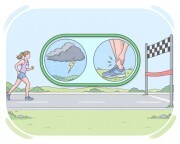
mishap
mishap
[名詞]

a minor accident that has no serious consequences

小さな事故, ハプニング
小さな事故, ハプニング

Ex: Despite a small mishap with the cake, the birthday party was a great success. 
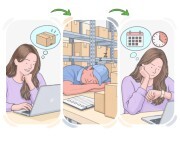
odds
odds
[名詞]

difficult or unfavorable circumstances that reduce the chance of success

困難,  逆境
困難, 逆境

Ex: Against all odds, Sarah completed the race after her injury. 
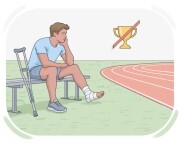
oversight
oversight
[名詞]

a mistake made because of forgetting to do or not noticing something

見落とし, 手落ち
見落とし, 手落ち

Ex: The delay in shipping was due to an oversight in the warehouse, where the order was not processed on time. 
setback
setback
[名詞]

a problem that gets in the way of a process or makes it worse

挫折, 障害
挫折, 障害

Ex: The unexpected financial setback forced them to postpone their expansion plans. 
underdog
underdog
[名詞]

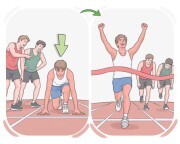
an individual, team, etc. who is regarded as weaker compared to others and has little chance of success as a result

アンダードッグ, 弱者
アンダードッグ, 弱者

Ex: The underdog team surprised everyone by defeating the reigning champions in the final match. 
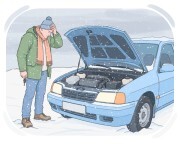
to [give] {sb} trouble

to cause someone problems

Ex: His old car often gives him trouble in cold weather. 
to no effect

not yielding the expected result

Ex: He tried to convince them to change their minds, but his arguments were to no effect. 
up against

in a challenging, confrontational, or adversarial situation
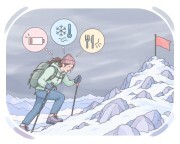
Ex: The team was up against a formidable defense. 
in the face of
in the face of
[前置詞]

despite a challenging or difficult situation

にもかかわらず, に直面して

にもかかわらず, に直面して

Ex: They completed the marathon in the face of extreme heat and exhaustion. 
at the expense of

causing a negative consequence or cost to someone or something in order to benefit another

を犠牲にして

を犠牲にして

Ex: His success came at the expense of his personal life, as he devoted all his time to work. 

彼の成功は、彼の私生活を犠牲にして得られたもので、彼はすべての時間を仕事に捧げました。
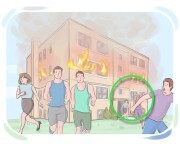
to evacuate
to evacuate
[動詞]

to leave a place to be safe from a dangerous situation

避難する, 去る

避難する, 去る

Ex: As the wildfire rapidly approached the neighborhood, residents were instructed to evacuate immediately. 

山火事が急速に近隣に近づくにつれ、住民はすぐに避難するよう指示されました。

Murphy's law

a principle stating that if there is a possibility for a bad thing to happen, it will happen

Ex: The bus is always late but today when I was late it came on time - that's Murphy's law! 
to [walk|tread] a tightrope

to be in a situation where one has to be careful about every decision they make because even one mistake can pose a great risk

綱渡りをする, 危ういバランスを取る

綱渡りをする, 危ういバランスを取る

Ex: The government is walking a tightrope between keeping prices low and avoiding shortages. 

政府は、価格を低く保つことと不足を避けることの間で綱渡りをしている。

LanGeek
LanGeekアプリをダウンロード