pattern

Vocabulário para IELTS (Básico) - Animais

Aqui você aprenderá algumas palavras em inglês sobre animais, como "anfíbio", "doméstico", "mula", etc., que são necessárias para o exame IELTS.

Revisar

Flashcards

Ortografia

Quiz

Começar a aprender
Words for Basic IELTS
alligator
alligator
[substantivo]

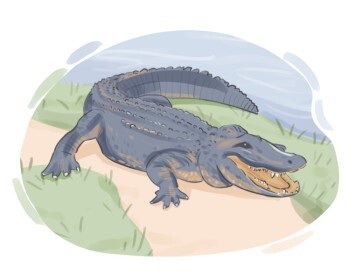
a large semiaquatic crocodilian of the genus Alligator with a broad rounded snout and powerful jaws

jacaré
jacaré

Ex: The female alligator guarded her nest until the eggs hatched. 
Fechar
Entrar
amphibian
amphibian
[substantivo]

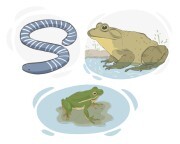
any cold-blooded animal with the ability to live both on land and in water, such as toads, frogs, etc.

anfíbio, batráquio

anfíbio, batráquio

Ex: Some amphibians, such as the African clawed frog, are commonly kept as pets in home aquariums. 

Alguns anfíbios, como o sapo-de-unhas-africano, são comumente mantidos como animais de estimação em aquários domésticos.
Fechar
Entrar
ape
ape
[substantivo]

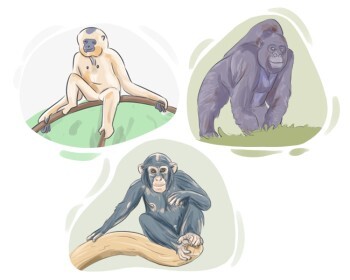
a tailless animal similar to a monkey, such as chimpanzees and gorillas

macaco, grande macaco
macaco, grande macaco

Ex: The documentary highlighted the intelligence and complex communication skills of apes. 
Fechar
Entrar
beast
beast
[substantivo]

an animal, especially one that is large, wild, dangerous, or unusual

besta, fera
besta, fera

Ex: Wolves and other wild beasts once roamed these forests. 
Fechar
Entrar
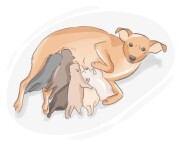
to breed
to breed
[verbo]

(of an animal) to have sex and give birth to young

reproduzir-se, procriar
reproduzir-se, procriar

Ex: Wolves in the wild have a complex social structure that influences when and with whom they breed. 
Fechar
Entrar
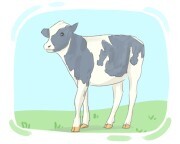
calf
calf
[substantivo]

the young offspring of a cow or bull, typically less than one year old

bezerro, novilho
bezerro, novilho

Ex: After weaning, the calf was separated from its mother and placed in a separate pen. 
Fechar
Entrar
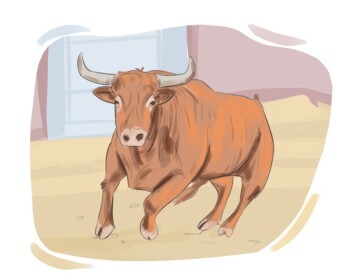
bull
bull
[substantivo]

an adult male animal of the cow family
Ex: The young bull had begun to develop large horns. 
Fechar
Entrar
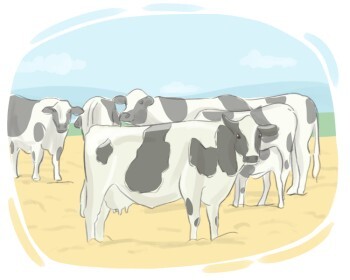
cattle
cattle
[substantivo]

large domesticated animals including cows, bulls, and steers, kept especially for milk or meat

gado,  bovinos
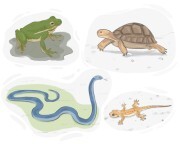
gado, bovinos

Ex: Disease can spread quickly through a large herd of cattle. 
Fechar
Entrar
cold-blooded
cold-blooded
[adjetivo]

describing an animal that its body temperature changes depending on the temperature of its surroundings

de sangue frio, poiquilotérmico

de sangue frio, poiquilotérmico

Ex: Relying on moist environments, salamanders, cold-blooded creatures, maintain their body temperature. 

Dependendo de ambientes úmidos, as salamandras, criaturas de sangue frio, mantêm sua temperatura corporal.
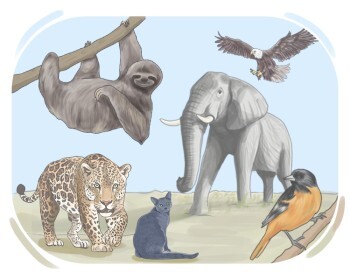
Fechar
Entrar
creature
creature
[substantivo]

any living thing that is able to move on its own, such as an animal, fish, etc.

criatura, ser vivo
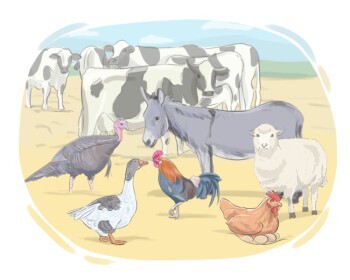
criatura, ser vivo

Ex: Conservationists work tirelessly to protect endangered creatures like the black rhinoceros and the Bengal tiger from extinction. 
Fechar
Entrar
domestic
domestic
[adjetivo]

(of an animal) capable of living with humans, either on a farm or as a pet in a house

doméstico, domesticado
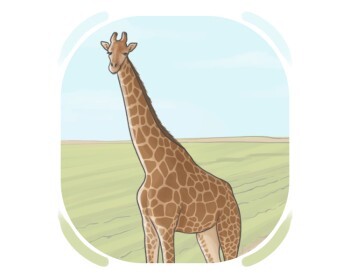
doméstico, domesticado

Ex: Domestic horses have been integral to human civilization for centuries, serving as transportation and companionship. 
Fechar
Entrar
giraffe
giraffe
[substantivo]

a tall animal with a very long neck and long legs that has brown spots on its yellow fur

girafa, girafa (substantivo)
girafa, girafa (substantivo)

Ex: Giraffes are iconic symbols of Africa's wildlife, revered for their unique appearance and gentle demeanor. 
Fechar
Entrar
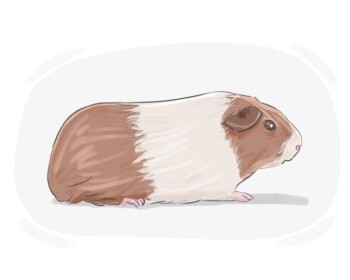
guinea pig
guinea pig
[substantivo]

a small furry animal with rounded ears, short legs and no tail, which is often kept as a pet or for research

porquinho-da-índia, cobaia
porquinho-da-índia, cobaia

Ex: Guinea pigs are herbivores, enjoying a diet of fresh vegetables, hay, and pellets. 
Fechar
Entrar
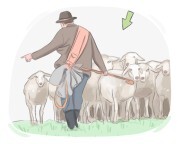
herd
herd
[substantivo]

a group of animals, such as cows, sheep, etc. that are from the same species, which move and feed together

rebanho, manada
rebanho, manada

Ex: The farmer led the herd of sheep into the barn for the night. 
Fechar
Entrar
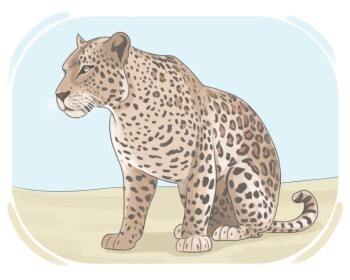
leopard
leopard
[substantivo]

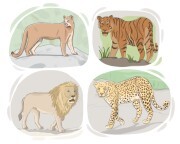
a large wild animal from the cat family with yellow fur and hollow black spots

leopardo
leopardo

Ex: Leopards are known for their incredible agility and strength, making them formidable hunters. 
Fechar
Entrar
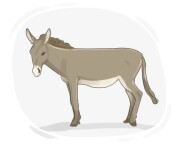
mule
mule
[substantivo]

an animal that is the offspring of a male donkey and a female horse, which is particularly used to carry heavy loads

mula

mula

Ex: A mule is usually stronger and more sure-footed than a horse. 
Fechar
Entrar
ox
ox
[substantivo]

a bull used on farms to carry heavy loads, which its sex organs are partly removed

boi, touro castrado
boi, touro castrado

Fechar
Entrar
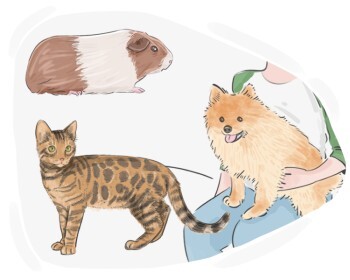
pet
pet
[substantivo]

an animal kept at home for companionship or enjoyment

animal de estimação
animal de estimação

Ex: Children often form strong bonds with their pets. 
Fechar
Entrar
prey
prey
[substantivo]

an animal that is hunted and killed for food by another animal

presa

presa

Ex: The snake swallowed its prey whole. 
Fechar
Entrar
primate
primate
[substantivo]

any mammalian animal that belongs to the same group as humans, such as monkeys, apes, lemurs, etc.

primate, macaco
primate, macaco

Fechar
Entrar
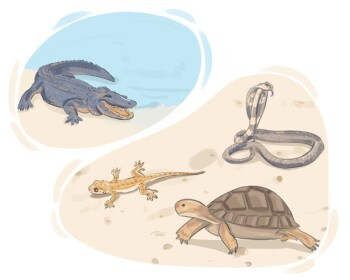
reptile
reptile
[substantivo]

a class of animals to which crocodiles, lizards, etc. belong, characterized by having cold blood and scaly skin

réptil, animal de sangue frio

réptil, animal de sangue frio

Ex: Reptiles are cold-blooded and rely on external heat sources to regulate their body temperature. 

Os répteis são de sangue frio e dependem de fontes de calor externas para regular sua temperatura corporal.
Fechar
Entrar
species
species
[substantivo]

a group that animals, plants, etc. of the same type which are capable of producing healthy offspring with each other are divided into

espécie, espécies

espécie, espécies

Ex: The monarch butterfly is a species of butterfly that migrates thousands of miles each year. 

A borboleta-monarca é uma espécie de borboleta que migra milhares de milhas a cada ano.
Fechar
Entrar
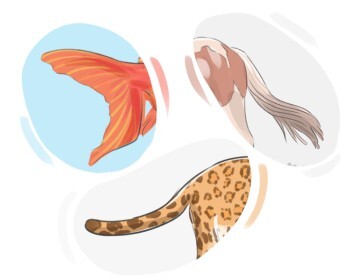
tail
tail
[substantivo]

the part of the body of an animal, a bird or a fish that sticks out at the back, which can move

cauda, rabo
cauda, rabo

Ex: The kangaroo uses its tail for balance while hopping. 
Fechar
Entrar
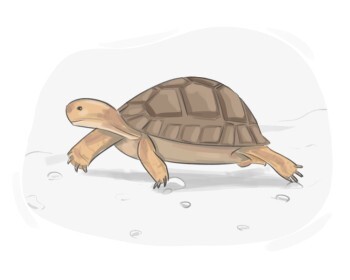
tortoise
tortoise
[substantivo]

a type of turtle that lives on land and moves very slowly, with a large shell on its back

tartaruga, tartaruga terrestre

tartaruga, tartaruga terrestre

Ex: The Galápagos tortoise is a living testament to the concept of longevity. 

A tartaruga das Galápagos é um testemunho vivo do conceito de longevidade.
Fechar
Entrar
wild
wild
[adjetivo]

(of an animal or plant) living or growing in a natural state, without any human interference

selvagem, natural

selvagem, natural

Ex: The dense jungle provides shelter for many wild creatures. 
Fechar
Entrar
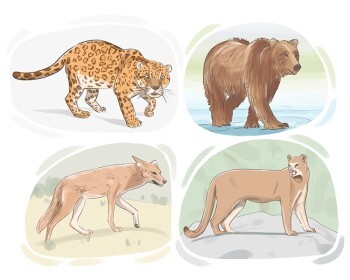
predator
predator
[substantivo]

an animal that hunts, kills, and eats other animals
Ex: A small fish may become prey for a larger marine predator. 
Fechar
Entrar
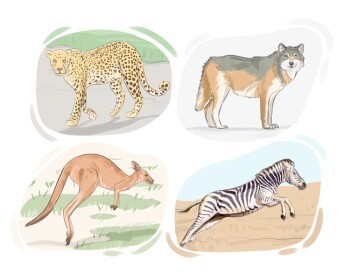
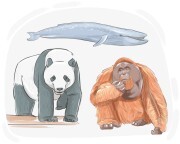
mammal
mammal
[substantivo]

a warm-blooded vertebrate animal whose females produce milk to feed their young and that typically has hair or fur
Ex: The researchers recorded several mammal species in the forest. 
Fechar
Entrar
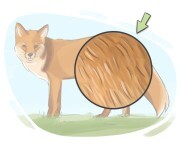
fur
fur
[substantivo]

the skin of an animal with its fur still attached, especially when prepared for use in clothing

pele
pele

Ex: The company stopped buying real fur from suppliers. 
Fechar
Entrar
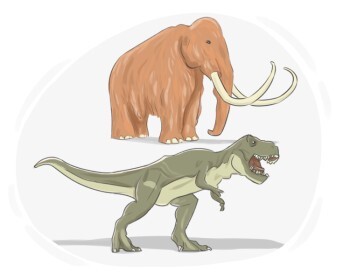
endangered
endangered
[adjetivo]

(of an animal, plant, etc.) being at risk of extinction

ameaçado

ameaçado

Ex: Climate change poses a significant threat to many endangered species by altering their habitats and food sources. 

A mudança climática representa uma ameaça significativa para muitas espécies ameaçadas ao alterar seus habitats e fontes de alimento.
Fechar
Entrar
extinction
extinction
[substantivo]

a situation in which a particular animal or plant no longer exists

extinção

extinção

Fechar
Entrar
LanGeek
Baixar o aplicativo LanGeek