Słownictwo do IELTS (Podstawowe) - Zwierzęta
Tutaj nauczysz się niektórych angielskich słów o zwierzętach, takich jak "płaz", "domowy", "muł" itp., które są potrzebne do egzaminu IELTS.
Przegląd
Fiszki
Pisownia
Test
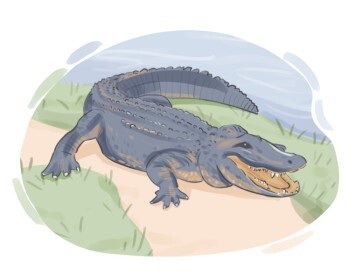
a large semiaquatic crocodilian of the genus Alligator with a broad rounded snout and powerful jaws

aligator
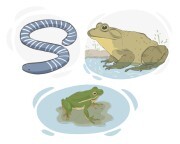
any cold-blooded animal with the ability to live both on land and in water, such as toads, frogs, etc.
płaz, amfibia
Trytony to małe, jaskrawo ubarwione płazy, które zazwyczaj zamieszkują stawy i strumienie, gdzie się rozmnażają i składają jaja.
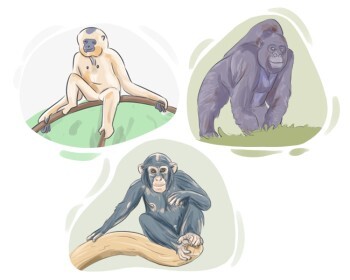
a tailless animal similar to a monkey, such as chimpanzees and gorillas
małpa, małpa człekokształtna
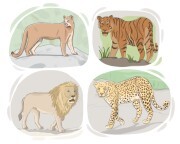
an animal, especially one that is large, wild, dangerous, or unusual
bestia, zwierzę
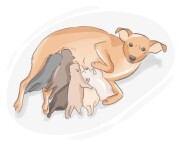
(of an animal) to have sex and give birth to young
rozmnażać się, wydawać potomstwo
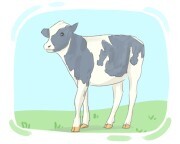
the young offspring of a cow or bull, typically less than one year old
cielę, młody byk
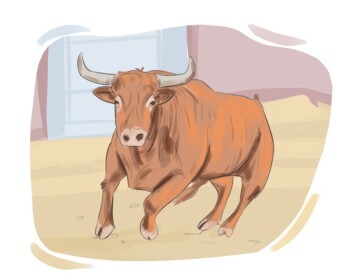
an adult male animal of the cow family
byk, buhaj
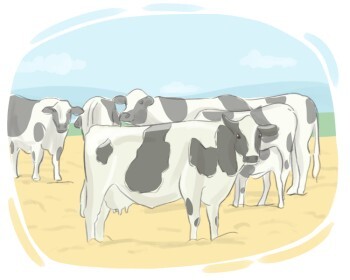
large domesticated animals including cows, bulls, and steers, kept especially for milk or meat
bydło, bydło rogate
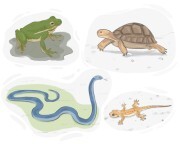
describing an animal that its body temperature changes depending on the temperature of its surroundings
zimnokrwisty, poikilotermiczny
Hibernując w chłodniejszych miesiącach, żaby, zimnowodne płazy, oszczędzają energię.
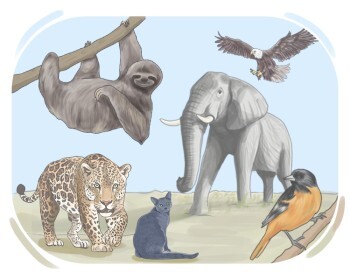
any living thing that is able to move on its own, such as an animal, fish, etc.
stworzenie, istota żywa
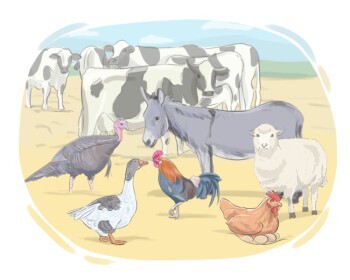
(of an animal) capable of living with humans, either on a farm or as a pet in a house
domowy, udomowiony
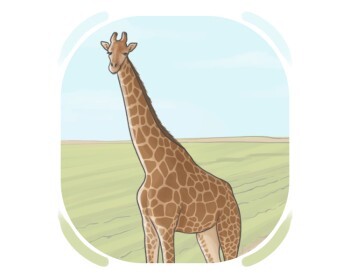
a tall animal with a very long neck and long legs that has brown spots on its yellow fur
żyrafa, żyrafa (rzeczownik)
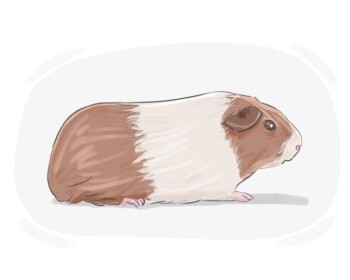
a small furry animal with rounded ears, short legs and no tail, which is often kept as a pet or for research
świnka morska, kawia
a group of animals, such as cows, sheep, etc. that are from the same species, which move and feed together
stado, trzoda
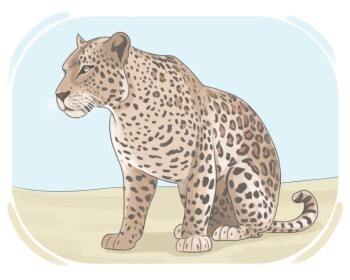
a large wild animal from the cat family with yellow fur and hollow black spots
lampart
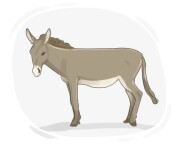
an animal that is the offspring of a male donkey and a female horse, which is particularly used to carry heavy loads
muł
a bull used on farms to carry heavy loads, which its sex organs are partly removed
wół, kastrowany byk
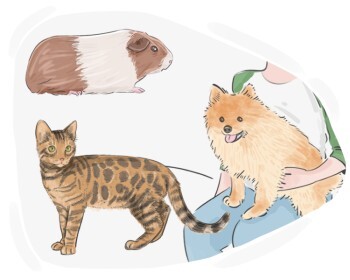
an animal kept at home for companionship or enjoyment
zwierzę domowe
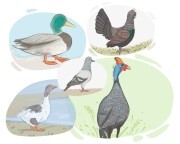
an animal that is hunted and killed for food by another animal
zdobycz
any mammalian animal that belongs to the same group as humans, such as monkeys, apes, lemurs, etc.
prymat, małpa
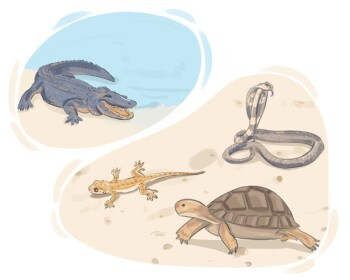
a class of animals to which crocodiles, lizards, etc. belong, characterized by having cold blood and scaly skin
gad, zwierzę zimnokrwiste
Gad powoli pełzał po nasłonecznionej skale, wchłaniając ciepło.
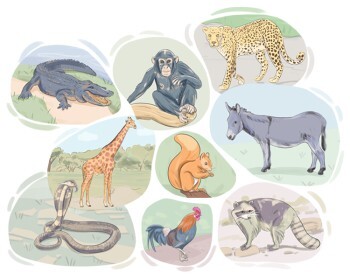
a group that animals, plants, etc. of the same type which are capable of producing healthy offspring with each other are divided into
gatunek, gatunki
Pies domowy to gatunek z rodzaju Canis, który był selekcjonowany przez ludzi przez tysiące lat.
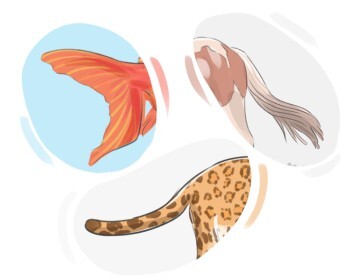
the part of the body of an animal, a bird or a fish that sticks out at the back, which can move
ogon, ogon zwierzęcia
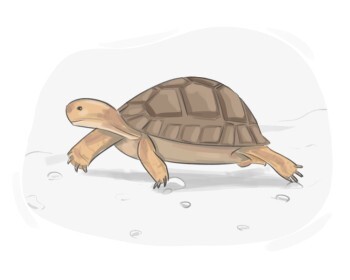
a type of turtle that lives on land and moves very slowly, with a large shell on its back
żółw, żółw lądowy
W folklorze żółw jest często przedstawiany jako mądry i cierpliwy.
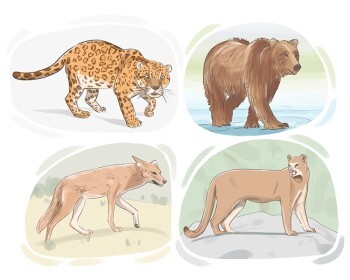
(of an animal or plant) living or growing in a natural state, without any human interference
dziki, naturalny
an animal that hunts, kills, and eats other animals
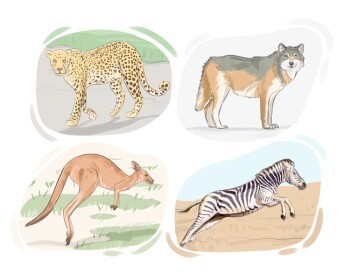
a warm-blooded vertebrate animal whose females produce milk to feed their young and that typically has hair or fur
ssak, ssaki
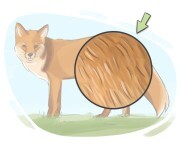
the skin of an animal with its fur still attached, especially when prepared for use in clothing
futro
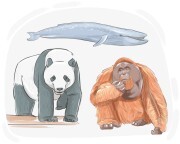
(of an animal, plant, etc.) being at risk of extinction
zagrożony wyginięciem
Naukowcy badają zachowanie zagrożonych gatunków, aby opracować skuteczne strategie ochrony.