pattern

Ordförråd för IELTS (Grundläggande) - Djur

Här kommer du att lära dig några engelska ord om djur, såsom "amfibie", "tam", "mula" etc. som behövs för IELTS-provet.

Recension

Flashcards

Stavning

Quiz

Starta lärandet
Words for Basic IELTS
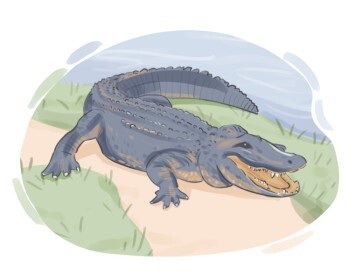
alligator
alligator
[Substantiv]

a large semiaquatic crocodilian of the genus Alligator with a broad rounded snout and powerful jaws

alligator
alligator

Ex: A large alligator swam across the lake just before sunset. 
Stäng
Logga in
amphibian
amphibian
[Substantiv]

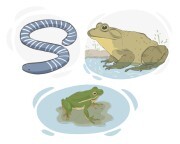
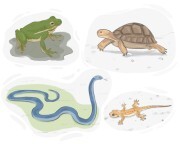
any cold-blooded animal with the ability to live both on land and in water, such as toads, frogs, etc.

amfibie,  amphibian

amfibie, amphibian

Ex: Newts are small, brightly colored amphibians that typically inhabit ponds and streams, where they breed and lay eggs. 

Salamandrar är små, färgglada amfibier som vanligtvis lever i dammar och bäckar, där de förökar sig och lägger ägg.
Stäng
Logga in
ape
ape
[Substantiv]

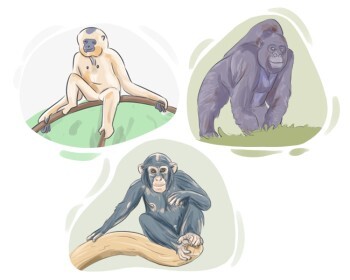
a tailless animal similar to a monkey, such as chimpanzees and gorillas

apa, människoapa
apa, människoapa

Ex: An ape has no tail and is usually larger than a monkey. 
Stäng
Logga in
beast
beast
[Substantiv]

an animal, especially one that is large, wild, dangerous, or unusual

best, odjur
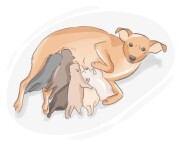
best, odjur

Ex: The children stared at the enormous beast behind the fence. 
Stäng
Logga in
to breed
to breed
[Verb]

(of an animal) to have sex and give birth to young

föröka sig, avla
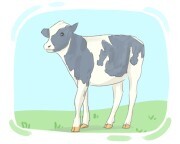
föröka sig, avla

Ex: Many birds breed during the spring. 
Stäng
Logga in
calf
calf
[Substantiv]

the young offspring of a cow or bull, typically less than one year old

kalv, ung tjur
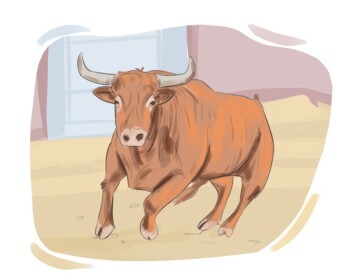
kalv, ung tjur

Ex: The dairy farm welcomed several new calves during the calving season. 
Stäng
Logga in
bull
bull
[Substantiv]

an adult male animal of the cow family

tjur,  oxe
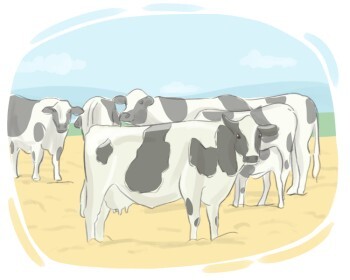
tjur, oxe

Ex: They raise bulls for breeding on the farm. 
Stäng
Logga in
cattle
cattle
[Substantiv]

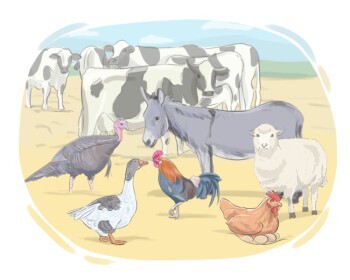
large domesticated animals including cows, bulls, and steers, kept especially for milk or meat

nötkreatur,  boskap
nötkreatur, boskap

Ex: They moved the cattle to higher ground before the storm. 
Stäng
Logga in
cold-blooded
cold-blooded
[adjektiv]

describing an animal that its body temperature changes depending on the temperature of its surroundings

kallblodig, poikiloterm

kallblodig, poikiloterm

Ex: Hibernate during colder months, frogs, cold-blooded amphibians, conserve energy. 

Under de kallare månaderna sover grodor, kallblodiga amfibier, för att spara energi.
Stäng
Logga in
creature
creature
[Substantiv]

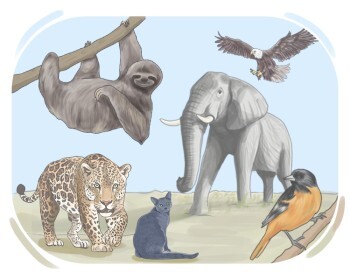
any living thing that is able to move on its own, such as an animal, fish, etc.

varelse, levande varelse
varelse, levande varelse

Ex: Strange creatures live deep in the ocean. 
Stäng
Logga in
domestic
domestic
[adjektiv]

(of an animal) capable of living with humans, either on a farm or as a pet in a house

tam, hemma
tam, hemma

Ex: Domestic cats have lived alongside humans for thousands of years. 
Stäng
Logga in
giraffe
giraffe
[Substantiv]

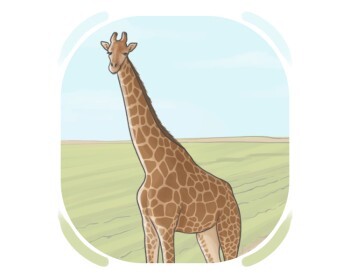
a tall animal with a very long neck and long legs that has brown spots on its yellow fur

giraff, giraff (substantiv)
giraff, giraff (substantiv)

Ex: Despite their long legs, giraffes move with surprising grace, their strides covering great distances with ease. 
Stäng
Logga in
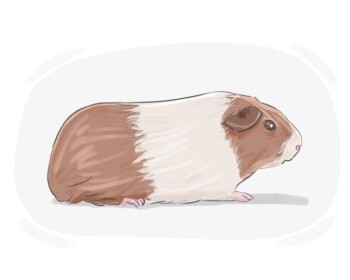
guinea pig
guinea pig
[Substantiv]

a small furry animal with rounded ears, short legs and no tail, which is often kept as a pet or for research

marsvin, cavia
marsvin, cavia

Ex: The guinea pig was eating vegetables from its owner's hand. 
Stäng
Logga in
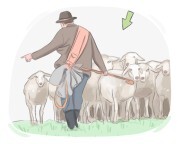
herd
herd
[Substantiv]

a group of animals, such as cows, sheep, etc. that are from the same species, which move and feed together

hjord, flock
hjord, flock

Ex: A herd of cattle moved slowly across the field. 
Stäng
Logga in
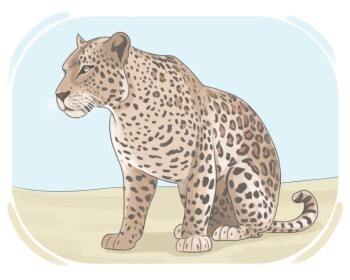
leopard
leopard
[Substantiv]

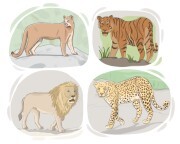
a large wild animal from the cat family with yellow fur and hollow black spots

leopard
leopard

Ex: The leopard climbed the tree to rest after hunting. 
Stäng
Logga in
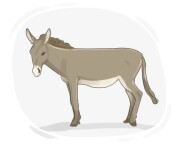
mule
mule
[Substantiv]

an animal that is the offspring of a male donkey and a female horse, which is particularly used to carry heavy loads

mula

mula

Ex: Unlike horses, mules are usually less prone to certain health issues. 
Stäng
Logga in
ox
ox
[Substantiv]

a bull used on farms to carry heavy loads, which its sex organs are partly removed

oxe, kastrerad tjur
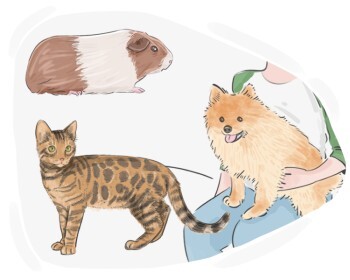
oxe, kastrerad tjur

Stäng
Logga in
pet
pet
[Substantiv]

an animal kept at home for companionship or enjoyment

husdjur
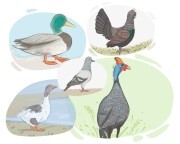
husdjur

Ex: The apartment does not allow large pets. 
Stäng
Logga in
prey
prey
[Substantiv]

an animal that is hunted and killed for food by another animal

byte

byte

Ex: Rabbits are common prey for foxes. 
Stäng
Logga in
primate
primate
[Substantiv]

any mammalian animal that belongs to the same group as humans, such as monkeys, apes, lemurs, etc.

primat, apa
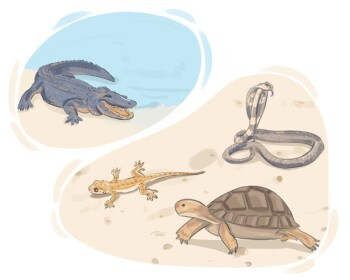
primat, apa

Stäng
Logga in
reptile
reptile
[Substantiv]

a class of animals to which crocodiles, lizards, etc. belong, characterized by having cold blood and scaly skin

reptil, kallblodigt djur

reptil, kallblodigt djur

Ex: The reptile crawled slowly across the sunlit rock, soaking up warmth. 

Reptilen kröp långsamt över den solbelysta stenen och absorberade värme.
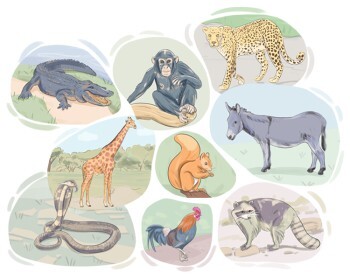
Stäng
Logga in
species
species
[Substantiv]

a group that animals, plants, etc. of the same type which are capable of producing healthy offspring with each other are divided into

art, arter

art, arter

Ex: The domestic dog is a species of the genus Canis that has been selectively bred by humans for thousands of years. 

Tamhunden är en art av släktet Canis som har selektivt avelats av människor i tusentals år.
Stäng
Logga in
tail
tail
[Substantiv]

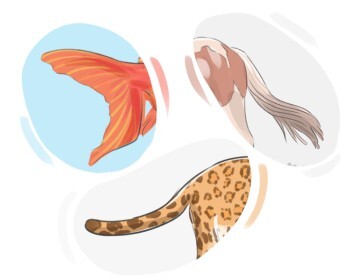
the part of the body of an animal, a bird or a fish that sticks out at the back, which can move

svans, djursvans
svans, djursvans

Ex: The dog wagged its tail excitedly. 
Stäng
Logga in
tortoise
tortoise
[Substantiv]

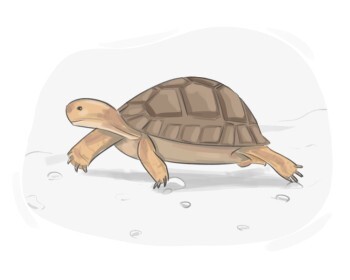
a type of turtle that lives on land and moves very slowly, with a large shell on its back

sköldpadda, landsköldpadda

sköldpadda, landsköldpadda

Ex: In folklore, the tortoise is often portrayed as wise and patient. 

I folkloren framställs sköldpaddan ofta som vis och tålmodig.
Stäng
Logga in
wild
wild
[adjektiv]

(of an animal or plant) living or growing in a natural state, without any human interference

vild, naturlig

vild, naturlig

Ex: During the camping trip, we heard the calls of wild birds in the woods. 
Stäng
Logga in
predator
predator
[Substantiv]

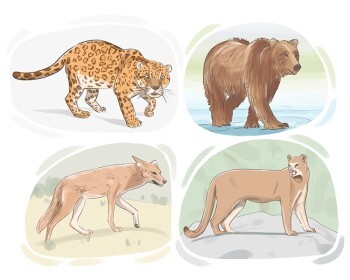
an animal that hunts, kills, and eats other animals

rovdjur,  predator
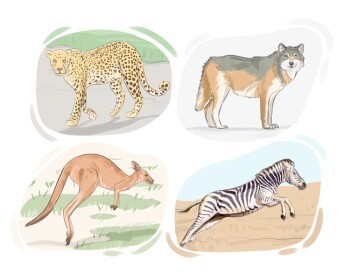
rovdjur, predator

Ex: Scientists introduced no new predators into the protected ecosystem. 
Stäng
Logga in
mammal
mammal
[Substantiv]

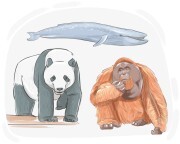
a warm-blooded vertebrate animal whose females produce milk to feed their young and that typically has hair or fur
Ex: Humans are mammals and share many biological features with other primates. 
Stäng
Logga in
fur
fur
[Substantiv]

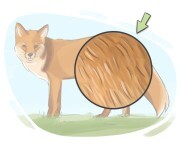
the skin of an animal with its fur still attached, especially when prepared for use in clothing

päls
päls

Ex: Animal furs were traditionally used to make warm winter clothing. 
Stäng
Logga in
endangered
endangered
[adjektiv]

(of an animal, plant, etc.) being at risk of extinction

utrotningshotad

utrotningshotad

Ex: Scientists are studying the behavior of endangered species to develop effective conservation strategies. 

Forskare studerar beteendet hos utrotningshotade arter för att utveckla effektiva bevarandestrategier.
Stäng
Logga in
extinction
extinction
[Substantiv]

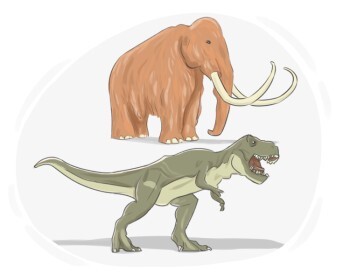
a situation in which a particular animal or plant no longer exists

utrotning

utrotning

Stäng
Logga in
LanGeek
Ladda ner LanGeek app