
pattern

Habilidades de Palavras do SAT 4 - Lição 31

Revisar

Flashcards

Ortografia

Quiz

Começar a aprender
SAT Word Skills 4
pillory
pillory
[substantivo]

a wooden frame with holes for a human head and hands, used to publicly punish an offender in the past
pelourinho, picota

pelourinho, picota

Ex: The pillory, once a symbol of public humiliation, is now displayed in museums. 

O pelourinho, outrora um símbolo de humilhação pública, agora é exibido em museus.

Fechar
Entrar
to pillage
to pillage
[verbo]

to plunder, typically during times of war or civil unrest

saquear, pilhar

saquear, pilhar

Ex: The invading forces systematically pillaged strategic locations, disrupting the local economy. 

As forças invasoras saquearam sistematicamente locais estratégicos, perturbando a economia local.

Fechar
Entrar
absence
absence
[substantivo]

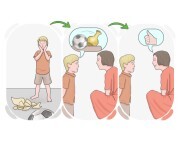
the state of not being at a place or with a person when it is expected of one

ausência
ausência

Ex: The absence of key personnel at the conference made it difficult to move forward with discussions. 
Fechar
Entrar
to absolve
to absolve
[verbo]

to release someone from blame, guilt, or obligation, clearing them of any wrongdoing

absolver, inocentar

absolver, inocentar

Ex: The organization has recently absolved members of any wrongdoing in a recent controversy. 

A organização recentemente absolveu os membros de qualquer irregularidade em uma controvérsia recente.

Fechar
Entrar
to abstract

to consider an idea or quality separately from the particular situation or object in which it occurs

abstrair
abstrair

Ex: The model works by abstracting certain features from real-world situations. 
Fechar
Entrar
abstruse
abstruse
[adjetivo]

difficult to understand due to being complex or obscure

abstruso, obscuro

abstruso, obscuro

Ex: The philosopher's abstruse theories challenged conventional wisdom, pushing the boundaries of traditional thought. 

As teorias abstrusas do filósofo desafiaram a sabedoria convencional, expandindo os limites do pensamento tradicional.

Fechar
Entrar
improper
improper
[adjetivo]

unfit for a particular person, thing, or situation

impróprio, inadequado

impróprio, inadequado

Ex: Failing to cite sources in academic writing is considered improper academic conduct. 

Deixar de citar fontes na redação acadêmica é considerado conduta acadêmica imprópria.

Fechar
Entrar
imprudent
imprudent
[adjetivo]

unwise and not considerate about consequences of an action

imprudente, irrefletido

imprudente, irrefletido

Ex: It’s imprudent to take shortcuts when safety is at stake. 

É imprudente tomar atalhos quando a segurança está em jogo.

Fechar
Entrar
impudent
impudent
[adjetivo]

rude and disrespectful, often toward authority or elders

insolente, descarado

insolente, descarado

Ex: She found his impudent attitude hard to tolerate. 

Ela achou sua atitude insolente difícil de tolerar.

Fechar
Entrar
impuissance
impuissance
[substantivo]

the state of being weak or powerless

impotência

impotência

Ex: The impuissance of the system became clear when it failed to prevent widespread corruption. 

A impotência do sistema ficou clara quando não conseguiu evitar a corrupção generalizada.

Fechar
Entrar
impracticable
impracticable
[adjetivo]

not possible or very difficult to be done

impraticável, irrealizável

impraticável, irrealizável

Ex: His suggestion to solve the issue overnight was impracticable under the given circumstances. 

A sugestão dele para resolver o problema durante a noite era impraticável nas circunstâncias dadas.

Fechar
Entrar
impolitic
impolitic
[adjetivo]

having or showing poor judgment in action or speech

imprudente, pouco judicioso

imprudente, pouco judicioso

Ex: The politician's impolitic behavior alienated many potential supporters. 

O comportamento imprudente do político afastou muitos apoiadores em potencial.

Fechar
Entrar
piece de resistance
piece de resistance
[substantivo]

a part of a meal that is considered as the main dish

prato principal

prato principal

Ex: At the banquet, the pièce de résistance was a massive beef Wellington, the talk of the evening. 

No banquete, o prato principal foi um enorme beef Wellington, o assunto da noite.

Fechar
Entrar
piecemeal
piecemeal
[advérbio]

in a gradual manner and at different times, rather than all at once

gradualmente, aos poucos

gradualmente, aos poucos

Ex: The company implemented the changes piecemeal, introducing new policies over several months. 

A empresa implementou as mudanças gradualmente, introduzindo novas políticas ao longo de vários meses.

Fechar
Entrar
tenuous
tenuous
[adjetivo]

very delicate or thin

tênue, frágil

tênue, frágil

Ex: The tenuous branches of the tree swayed gently in the breeze, threatening to snap under the weight of the snow. 

Os ramos tenues da árvore balançavam suavemente na brisa, ameaçando quebrar sob o peso da neve.

Fechar
Entrar
rampant
rampant
[adjetivo]

characterized by unchecked, aggressive, or uncontrollable behavior

desenfreado, incontrolável

desenfreado, incontrolável

Ex: The internet allowed misinformation to remain rampant. 

A internet permitiu que a desinformação permanecesse desenfreada.

Fechar
Entrar
rampart
rampart
[substantivo]

a defensive wall or barrier, typically around a fort or city, used for protection

muralha, baluarte

muralha, baluarte

Ex: From the top of the rampart, they could see the enemy's approach across the plain. 

Do topo do baluarte, eles podiam ver a aproximação do inimigo através da planície.

Fechar
Entrar
LanGeek
Baixar o aplicativo LanGeek