
Lista de palabras SAT 4 - Lección 31
Revisión
Tarjetas de memoria
Ortografía
Cuestionario

a wooden frame with holes for a human head and hands, used to publicly punish an offender in the past

picota
Fue sentenciado a permanecer en el picota por un día como advertencia para los demás.
to plunder, typically during times of war or civil unrest
saquear
El ejército conquistador saqueó la ciudad conquistada, apoderándose de arte, tesoros y otros bienes valiosos.
the state of not being at a place or with a person when it is expected of one
ausencia
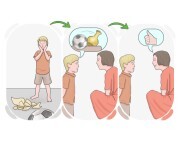
to release someone from blame, guilt, or obligation, clearing them of any wrongdoing
absolver
Después de una investigación exhaustiva, el comité decidió absolver al empleado de cualquier mala conducta.
to consider an idea or quality separately from the particular situation or object in which it occurs
abstraer
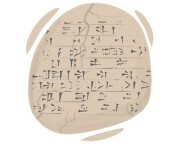
difficult to understand due to being complex or obscure
abstruso
El manual del software estaba escrito de una manera tan abstrusa que incluso los usuarios experimentados encontraron difícil navegar por él.

unfit for a particular person, thing, or situation
impropio
Usar zapatillas en un evento formal sería considerado un atuendo inapropiado.
unwise and not considerate about consequences of an action
imprudente
Fue imprudente de su parte invertir todos sus ahorros en una empresa arriesgada.
rude and disrespectful, often toward authority or elders
descarado
El adolescente insolente puso los ojos en blanco ante cada sugerencia que sus padres hicieron.
the state of being weak or powerless
incapacidad
Su impotencia frente a la crisis dejó claro que no podía liderar el equipo.
not possible or very difficult to be done
impracticable
La tecnología requerida para un proyecto tan ambicioso todavía era impráctica en ese momento.
having or showing poor judgment in action or speech
impolítico
Pronto se dio cuenta de que sus acciones imprudentes habían dañado su relación con sus colegas.
a part of a meal that is considered as the main dish
plato principal
El chef presentó con orgullo el pièce de résistance de la noche: un lujoso plato de foie gras.
in a gradual manner and at different times, rather than all at once
poco a poco
La solución llegó poco a poco, con cada avance contribuyendo a la respuesta final.
very delicate or thin
coherente
Las ramas tenues del árbol se mecían suavemente en la brisa, amenazando con romperse bajo el peso de la nieve.
characterized by unchecked, aggressive, or uncontrollable behavior
desenfrenado
Los rumores se extendieron descontroladamente, alimentando el pánico público.
a defensive wall or barrier, typically around a fort or city, used for protection
muralla
El baluarte fue reforzado con cañones, listo para disparar a cualquier fuerza enemiga que se acercara.
