


pattern

Навыки Слов SAT 4 - урок 31

Обзор

Флэш-карточки

Правописание

Тест

Начать учиться
SAT Word Skills 4
pillory
pillory
[существительное]

a wooden frame with holes for a human head and hands, used to publicly punish an offender in the past

позорный столб

позорный столб

Ex: In medieval times, the pillory was commonly used to shame petty criminals. 

В средние века позорный столб часто использовался для позора мелких преступников.

Закрыть
Войти
to pillage
to pillage
[глагол]

to plunder, typically during times of war or civil unrest

грабить

грабить

Ex: The invading army was condemned for its actions as it began to pillage villages, leaving destruction in its wake. 

Вторгшаяся армия была осуждена за свои действия, когда начала грабить деревни, оставляя за собой разрушения.

Закрыть
Войти
absence
absence
[существительное]

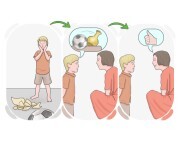
the state of not being at a place or with a person when it is expected of one

отсутствие
отсутствие

Ex: His absence from the meeting caused delays in making important decisions. 
Закрыть
Войти
to absolve
to absolve
[глагол]

to release someone from blame, guilt, or obligation, clearing them of any wrongdoing

отпустить

отпустить

Ex: Recognizing the misunderstanding, the manager chose to absolve the employee from blame. 

Признав недоразумение, менеджер решил освободить сотрудника от вины.

Закрыть
Войти
to abstract
to abstract
[глагол]

to consider something separate from its specific context

абстрагироваться

абстрагироваться

Ex: Philosophers often abstract general principles from individual cases. 

Он смог абстрагировать ценные выводы из обширного исследования.
Закрыть
Войти
abstruse
abstruse
[прилагательное]

difficult to understand due to being complex or obscure

заумный, глубокомысленный

заумный, глубокомысленный

Ex: The professor's abstruse lecture on theoretical physics left many students bewildered, struggling to grasp the complex concepts. 

Заумная лекция профессора по теоретической физике оставила многих студентов в недоумении, изо всех сил пытающихся понять сложные концепции.

Закрыть
Войти
improper
improper
[прилагательное]

unfit for a particular person, thing, or situation

неподходящий

неподходящий

Ex: Using informal language in a professional email is considered improper communication. 

Использование неформального языка в профессиональном электронном письме считается неуместным общением.

Закрыть
Войти
imprudent
imprudent
[прилагательное]

unwise and not considerate about consequences of an action

неосмотрительный, неосторожный

неосмотрительный, неосторожный

Ex: Borrowing more money without a repayment plan would be highly imprudent. 

Занимать больше денег без плана погашения было бы крайне неблагоразумно.

Закрыть
Войти
impudent
impudent
[прилагательное]

rude and disrespectful, often toward authority or elders

наглый

наглый

Ex: The impudent child talked back to his grandmother, shocking everyone in the room. 

Наглый ребенок грубо ответил своей бабушке, шокировав всех в комнате.

Закрыть
Войти
impuissance
impuissance
[существительное]

the state of being weak or powerless

бессилие

бессилие

Ex: The king's impuissance was evident when his advisors ignored his commands. 

Бессилие короля было очевидно, когда его советники игнорировали его приказы.

Закрыть
Войти
impracticable
impracticable
[прилагательное]

not possible or very difficult to be done

неосуществимый

неосуществимый

Ex: The manager realized that their expectations were impracticable given the current budget. 

Менеджер понял, что их ожидания неосуществимы при текущем бюджете.

Закрыть
Войти
impolitic
impolitic
[прилагательное]

having or showing poor judgment in action or speech

неполитичный, неразумный

неполитичный, неразумный

Ex: It was impolitic to make a joke about the situation, as it was a sensitive subject. 

Было неблагоразумно шутить по поводу ситуации, так как это была деликатная тема.

Закрыть
Войти
piece de resistance
piece de resistance
[существительное]

a part of a meal that is considered as the main dish

главная достопримечательность

главная достопримечательность

Ex: For the wedding feast, the pièce de résistance was a grand seafood platter that impressed all the guests. 

На свадебном пиру pièce de résistance стало великолепное блюдо из морепродуктов, которое впечатлило всех гостей.

Закрыть
Войти
piecemeal
piecemeal
[наречие]

in a gradual manner and at different times, rather than all at once

постепенно, по частям

постепенно, по частям

Ex: The information was revealed piecemeal, with new details emerging over time. 

Информация раскрывалась по частям, со временем появлялись новые детали.

Закрыть
Войти
tenuous
tenuous
[прилагательное]

very delicate or thin

непрочный

непрочный

Ex: He held onto the tenuous thread, hoping it would support the weight of the object. 

Он держался за тонкую нить, надеясь, что она выдержит вес предмета.

Закрыть
Войти
rampant
rampant
[прилагательное]

characterized by unchecked, aggressive, or uncontrollable behavior

угрожающий

угрожающий

Ex: Crime was rampant in the city after the blackout. 

Преступность была неконтролируемой в городе после отключения электричества.

Закрыть
Войти
rampart
rampart
[существительное]

a defensive wall or barrier, typically around a fort or city, used for protection

вал, крепостной вал

вал, крепостной вал

Ex: The soldiers stood watch on the rampart, keeping an eye out for any signs of an enemy invasion. 

Солдаты стояли на страже на валу, высматривая любые признаки вражеского вторжения.

Закрыть
Войти
LanGeek
Скачать приложение LanGeek